2026 How to Choose the Best Bath Fitting for Your Home?
Choosing the right bath fitting can transform your bathroom into a sanctuary. In 2021, the global bathroom fixtures market was valued at approximately $115 billion. It is projected to grow significantly by 2026. This rise indicates a strong interest in stylish and functional bath fittings.
When selecting bath fittings, understanding styles and materials is critical. Various options, from modern sleek designs to traditional fixtures, cater to diverse tastes. Data from industry experts suggests that quality fittings can enhance home value by up to 10%. This contrast between aesthetics and practicality shows why thoughtful selection is vital.
However, many homeowners struggle with this decision. Often, the fear of overpaying for low-quality fittings arises. It’s essential to research and seek guidance from professionals. They provide insights that can save both money and frustration in the long run. Ultimately, the right bath fitting combines beauty, functionality, and durability, ensuring satisfaction for years to come.
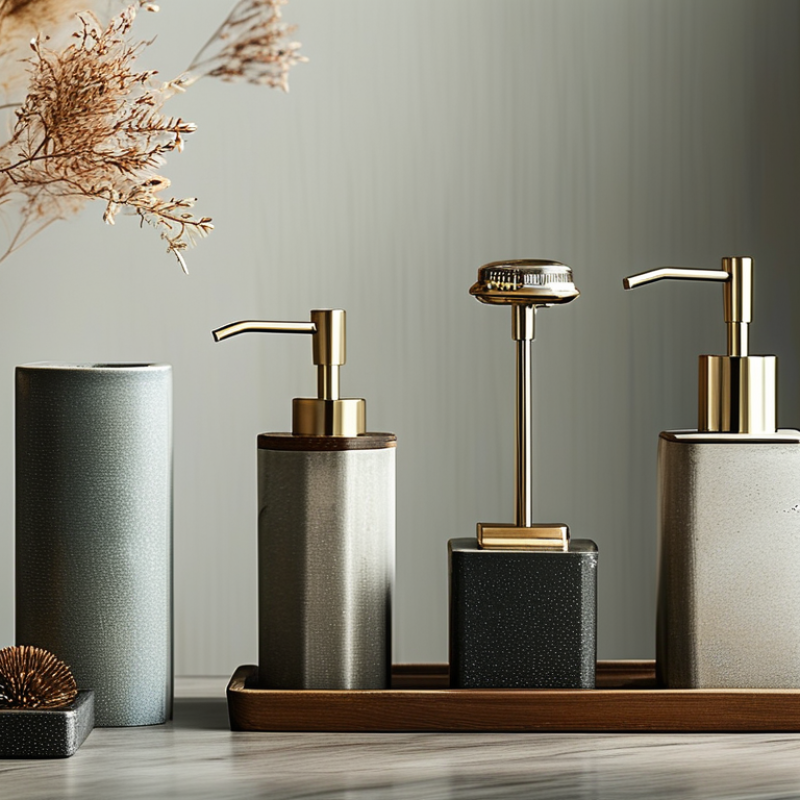
Understanding the Different Types of Bath Fittings Available
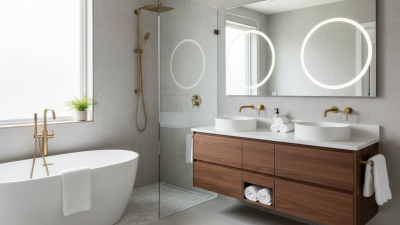
When choosing bath fittings, it's essential to understand the different types available. There are several varieties, including faucets, showerheads, and towel bars. Each type serves a unique function and can dramatically affect your bathroom's look. Faucets come in many styles, from modern to vintage. You might prefer a sleek design or a more traditional appearance.
Showerheads can enhance your bathing experience. Options range from handheld varieties to rain showerheads. Each type offers different water flow and pressure. Consider how you want to feel while showering. A powerful spray can energize you in the morning, while a gentle rain can help you unwind.
Towel bars and storage solutions are also part of this category. They help keep your space organized. A variety of designs, from minimalist to ornate, provide options that suit your aesthetic. However, finding the right fit requires careful thought. It's easy to overlook how these details impact functionality and comfort. Pay attention to the dimensions and installation requirements. Small mistakes can lead to frustration later on.
Key Factors to Consider When Choosing Bath Fittings for Your Home
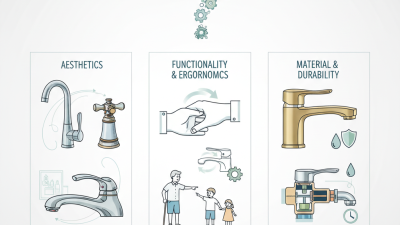
Choosing the right bath fittings for your home requires careful consideration. One crucial factor is functionality. Most homeowners prioritize functionality in their bathrooms. Reports indicate that nearly 70% of users prefer fixtures that enhance convenience and comfort. This can mean opting for ergonomic designs that are easier to use, especially for children and elderly family members.
Another key aspect is material quality. Research shows that materials impact durability, with brass and stainless steel often rated highest for longevity. In contrast, plastic fittings have a shorter lifespan and may not withstand heavy use. Homeowners should also consider the aesthetic element. The style of fittings can significantly influence the overall look of a bathroom. About 55% of people change their bath fittings to match evolving trends or personal tastes.
However, a perfect match in appearance or function is not always possible. Homeowners might face challenges in aligning their budget with high-quality options. Finding a balance between cost and quality is essential, but may lead to compromises that affect satisfaction. Reflecting on these priorities will guide choices that enhance the bathroom environment.
Factors to Consider When Choosing Bath Fittings for Your Home
Comparing Materials: Pros and Cons of Common Bath Fitting Choices
When choosing bath fittings, materials play a crucial role in both aesthetics and functionality. Popular options include
brass, stainless steel, and ceramic. Brass is known for its durability and resistance to corrosion,
but its maintenance can be a hassle. Stainless steel offers a modern look and is easy to clean. However, it can be prone to scratching.
Ceramic is charming and simple to maintain but is not as tough as metal alternatives.
Each material has its distinct advantages and drawbacks. Ceramic, while attractive, can chip easily,
making it less ideal for high-traffic bathrooms. Brass might seem like a timeless choice, but it requires regular polishing to maintain its shine.
As for stainless steel, it’s resistant to rust but may show fingerprints. This can detract from its sleek appearance.
It's essential to reflect on how each material aligns with your lifestyle. If you have kids, durability becomes paramount.
A more delicate ceramic could wear out quickly. Stainless steel might be ideal for a busy home, but can be less forgiving on design.
Ultimately, careful consideration of these factors will lead to a fitting that not only looks good but stands the test of time.
Style and Design: How to Match Bath Fittings with Your Interior Decor
Choosing bath fittings can be challenging. It’s essential to match these fittings with your home’s overall decor. The right choice enhances both style and function. Analyze your interior decor thoroughly before making decisions.
One effective strategy is to consider existing colors and materials. For instance, pairing modern fittings with rustic elements can create an intriguing contrast. But beware, mismatches can be glaring. If your fixtures clash with the wall colors, it could disrupt your design flow.
Tips: Select two or three fittings that harmonize with each other. Focus on textures too. A matte finish can soften sharp lines. Additionally, balance larger fittings with smaller accents. Small details matter! Use them to add personality but avoid overloading the space.
Take your time exploring samples. Sometimes, the most appealing options may not be functional. Reflect on how often you'll use each fitting. Will they withstand daily use? Consider both beauty and practicality in your choices.
Budgeting for Bath Fittings: Finding Quality Within Your Price Range
Budgeting for bath fittings can be a daunting task. Many homeowners believe that high quality always comes at a high price. However, finding affordable options that do not compromise on quality is possible. Start by determining your budget. Know how much you can feasibly spend. This step helps narrow down your choices.
Research is crucial. Check online resources and read reviews from other homeowners. This feedback can guide your decisions. Look for fittings made from durable materials. Chrome, ceramic, and stainless steel often provide longevity without breaking the bank. Evaluate the design and functionality of each piece. Sometimes, the most stylish fittings come with a hefty price tag. But simple, elegant designs can perform just as well.
Remember to factor in long-term costs. Higher-quality fittings may have a higher upfront cost, but they often last longer. Think about maintenance and repairs. Cheaper fittings may need replacement sooner. Be prepared for some trial and error. It’s okay if a fitting doesn’t meet your expectations. Use those experiences to refine your choices. This approach will ultimately lead to a bathroom that blends beauty and budget.