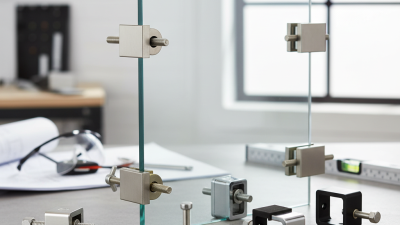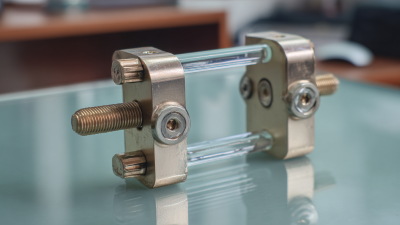
Glass hardware is easy to overlook until a panel shifts, a door rattles, or a fixing clashes with the finish. For global buyers, choosing a Glass Clamp is not just a style decision. It means matching the clamp’s material, geometry, and mounting method to the glass thickness, load, and installation setting. Small differences matter. A clamp designed for a frameless shower may not suit a railing or a glass partition.
The wider building context makes careful specification important. The International Energy Agency’s 2023 Global Status Report for Buildings and Construction estimates that buildings account for about 34% of global energy demand and 37% of energy- and process-related carbon dioxide emissions. Those figures concern the building sector, not clamp sales. Still, they underline why durable, well-matched components matter across a project’s life. A clamp is only one detail, but replacement can mean extra labor, downtime, and material waste.
This guide compares ten common types, including wall-to-glass, glass-to-glass, U-channel, and adjustable clamps. It explains where each type is typically used, what buyers should check, and which questions deserve attention before ordering. Look closely at glass thickness compatibility, finish options, fixing points, and the manufacturer’s load guidance. Verify the actual project conditions, too. Catalog descriptions can be tidy; job sites are less so. There is no single clamp that fits every application, and product names are not always consistent between suppliers. Treat the comparison as a starting point, then confirm specifications with the manufacturer or a qualified installer.
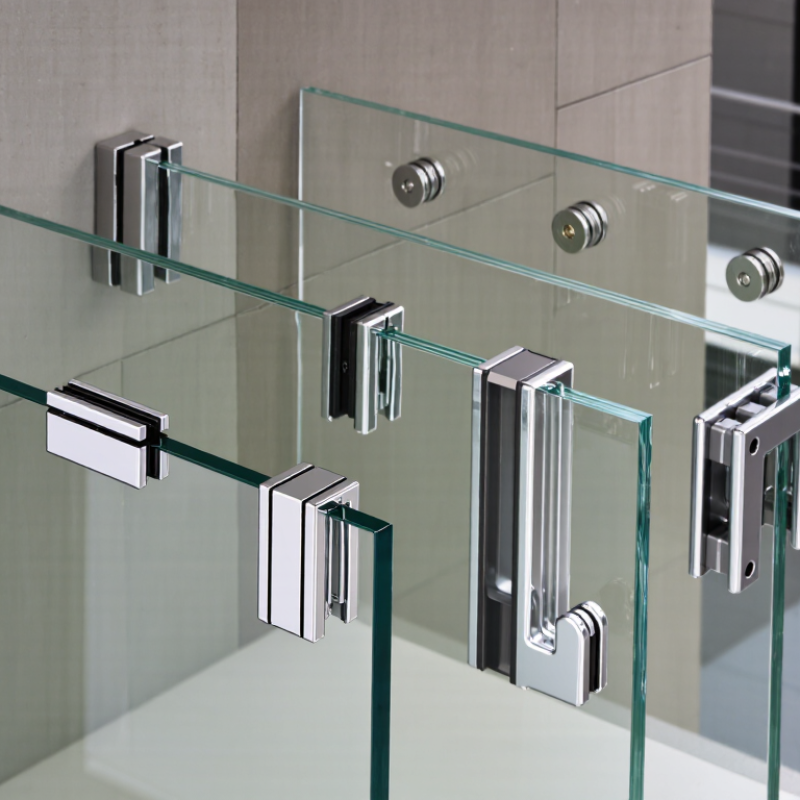
Glass clamps connect a panel to a post, wall, or rail while spreading pressure across a small contact area. Their role is not merely decorative. Clamp shape, pad material, fastener position, and substrate strength all affect stability. A frameless shower panel may use compact clamps, while a balcony panel can face greater wind and impact loads. Match the hardware to the panel’s size, location, and support layout. Bigger is not automatically safer.
Glass thickness must match the clamp’s stated range. A 10 mm panel should not be forced into a fitting designed for 12 mm glass. Excess pressure can create edge stress or damage. Check whether the glass is tempered or laminated, and follow the glass supplier’s handling guidance. Loads also depend on panel height, span, and exposure. The clamp alone cannot compensate for weak posts or poor anchoring. Details matter.
Tips: Measure the glass with calipers, including any coating or pad. Confirm the clamp’s load data and approved glass range. Inspect edges for chips before installation. For a tall or exposed panel, ask a qualified engineer to verify the full support system. Installers may overlook the anchor beneath a neat-looking clamp. Check it twice.

Glass clamp selection is clearer when buyers compare how each fitting supports the panel. U-clamps grip a glass edge with replaceable gaskets, making them useful for partitions and light guards. Check the specified glass thickness and avoid overtightening; too much pressure can stress the panel. Small details matter.
Spigots support railing glass from below, with each fitting anchored to a floor or stair structure. They leave much of the panel open, but the base fixing and substrate must suit the expected loads. Standoffs attach panels through prepared holes and hold them away from a wall. They create a clean, floating appearance, though hole positions need careful coordination before glass is made.
Rails hold glass continuously along an edge, often in a channel at floor level. This can spread support along the panel, but drainage, liners, and access for installation deserve attention. I have seen buyers focus on the visible finish and miss the fixing conditions. That is an easy mistake. Compare drawings, glass specifications, material grade, and installation instructions before choosing. For international projects, request clear documentation and confirm that the proposed assembly fits the site conditions, rather than assuming one clamp style suits every application.
For glass clamps, stainless-steel grade matters most when moisture, salts, or cleaning chemicals reach the fittings. Grade 304 contains chromium and nickel, and it often suits dry indoor spaces or sheltered installations. It is not rust-proof. Water trapped around a screw or gasket can leave stains over time, especially when maintenance is irregular.
Grade 316 includes molybdenum, which improves resistance to chloride-related pitting. That makes it a stronger choice near coastlines, swimming pools, and other salt-exposed areas. The difference is practical, not absolute. Salt spray, standing water, crevices, and damaged surface finishes can still affect 316. A clamp’s location matters as much as its grade.
Look beyond the number on a product description. Ask for material documentation, and check whether the clamp’s screws and other exposed parts use compatible stainless steel. After installation, rinse off salt deposits and inspect joints where water may collect. Small details matter. In field use, exposure can vary across one building: a sheltered balcony fitting may stay clean while a nearby edge receives wind-blown spray. Choosing 316 everywhere can add cost without much benefit, but choosing 304 for a harsh marine edge may be a false economy. The right call depends on actual exposure and upkeep.
For glass clamps, “6–12 mm” is a compatibility range, not a guarantee that one fitting suits every panel. Measure the glass at several points, then match the clamp’s stated capacity to the actual thickness. A nominal 10 mm panel may vary slightly, and an overly tight fit can concentrate pressure near the edge. Small differences matter.
EN 12150-1 covers thermally toughened soda-lime silicate safety glass, but it does not certify a clamp or prescribe its holding capacity. Check the glass documentation, clamp specifications, gasket material, and recommended tightening method together. Toughened glass must be cut and drilled before heat treatment; post-treatment changes can cause breakage. The U.S. Department of Energy reports that heat gain and loss through windows account for about 25–30% of residential heating and cooling energy use, reinforcing the value of sound glazing details. That figure is not a clamp-load rating. A weak point in many specifications is missing edge clearance. Record it, along with panel thickness, before ordering.
| Type | Typical Configuration | Common Glass Fit | Typical Material Options | Selection Considerations |
|---|---|---|---|---|
| Square glass-to-glass clamp | Connects the edge of one panel to the face or edge of an adjacent panel. | Many models are offered for 6, 8, 10 or 12 mm glass; verify the model’s stated range. | Stainless steel or plated metal, usually with elastomer gaskets. | Check the required panel angle, clamp dimensions, gasket thickness and whether the design requires holes in the glass. |
| Round glass-to-glass clamp | Rounded-body clamp for joining adjacent glass panels, often used in shower screens and partitions. | Common product ranges include individual sizes for 6–12 mm panels. | Stainless steel or plated metal with compatible gaskets. | Confirm the panel layout and edge alignment; a rounded cover does not indicate that one clamp fits every glass thickness. |
| Wall-to-glass clamp | Secures a fixed glass panel to a wall or other suitable vertical substrate. | Available for various thicknesses, including selected 6–12 mm glass. | Stainless steel or plated metal; gasket material varies by product. | Check wall anchorage, substrate strength, fixing method and the clamp’s permitted load and glass thickness. |
| Fixed 90-degree corner clamp | Joins two panels at a fixed right angle, commonly for enclosures or partitions. | Thickness compatibility is model-specific; 6, 8, 10 and 12 mm options are common. | Stainless steel or plated metal with protective inserts or gaskets. | Confirm the exact included angle and panel orientation before ordering; do not force panels into alignment using the clamp. |
| Adjustable-angle glass clamp | Connects panels at a variable angle within the product’s specified adjustment range. | Some versions cover selected glass thicknesses from 6 to 12 mm. | Typically stainless steel or plated metal with gaskets. | Check the adjustment range, locking method and whether the clamp is intended for the application and expected loads. |
| Glass-to-post clamp | Attaches a glass panel to a post or supporting frame, often in balustrade systems. | Models are made for defined panel thicknesses; some are specified for 6–12 mm glass. | Stainless steel, commonly selected according to the exposure environment. | For guards or railings, use a system specifically designed and assessed for the project’s loads and applicable local codes. |
| Side-mount railing clamp | Fixes a panel to the side of a structural support rather than sitting on top of it. | Available in different thickness-specific configurations, including some for 6–12 mm panels. | Stainless steel or engineered metal with suitable gaskets. | Verify structural attachment, edge clearances and system capacity; a general-purpose clamp is not automatically suitable as a guardrail fitting. |
| Handrail-to-glass clamp | Connects a handrail or handrail bracket to a glass panel. | Glass thickness and handrail profile are both product-specific. | Stainless steel or compatible metal finishes. | Match the fitting to the handrail shape and the approved railing system; confirm whether the glass must be drilled. |
| Shower-screen glass clamp | Supports a fixed shower panel against a wall, another panel or a suitable support. | Many shower fittings are offered for 6, 8, 10 or 12 mm glass, depending on the model. | Stainless steel or plated metal, with moisture-resistant gasket materials. | Consider the wet environment, corrosion resistance, gasket compatibility and the support conditions for the panel. |
| Compact display or partition clamp | Small-format fitting for light-duty glass displays, cabinet panels or interior partitions. | Often intended for thinner glass; some products accept selected sizes within 6–12 mm. | Stainless steel, plated metal or other materials specified for the product. | Use only within the stated application and load limits; a compact fitting should not be substituted for a safety-rated structural fitting. |
Buyer note: EN 12150-1 specifies requirements for thermally toughened soda-lime silicate safety glass; it is not a glass-clamp rating standard. Confirm the clamp manufacturer’s permitted glass thickness, installation method, load limits and suitability for the intended use. Toughened glass must not be cut, drilled or otherwise altered after toughening.
When comparing glass clamps, treat EN 12600 impact class and clamp capacity as separate checks. EN 12600 classifies a safety-glazing specimen’s performance under pendulum impact; it does not certify the clamp or its fixing. Ask for test evidence matching the proposed glass build-up, including thickness and heat-treatment type. Check local project requirements too. Details matter.
Rated loads need context. A stated capacity may assume a particular glass thickness, clamp spacing, substrate, fasteners, and installation method. Request the load direction, test setup, safety factors, and any limits for overhead or guard applications. Then compare those conditions with the actual panel size and support layout. A number without assumptions is weak evidence. It can be misleading.
Measure clearances before ordering. Check the glass edge gap, clamp opening, gasket thickness, hole position, and distance from drilled holes to edges. A few millimetres can change fit or create stress around a hole. Confirm tolerances with a sample or dimensioned drawing, and avoid forcing glass into a tight opening. I have seen drawings that looked convincing, yet left too little room for installation. Record the verified glass specification, fixing details, and inspection requirements in the purchase documents.
Buyer verification: EN 12600 impact classes, rated loads, and clearances
EN 12600 pendulum drop heights by impact class (millimetres)
EN 12600 classifies the impact performance of glazing; the class is not a rating of the clamp itself. Verify the tested glass assembly and its classification. Rated loads and required clearances depend on the specific clamp, substrate, glass thickness, installation, and manufacturer’s documentation.
Common clamp types: fixed glass-to-wall, adjustable glass-to-wall, glass-to-glass, patch-fixing, square, rectangular, round, handrail, balustrade, and shower-screen clamps. For each type, request documented load limits, compatible glass thickness, installation clearances, and applicable test evidence.