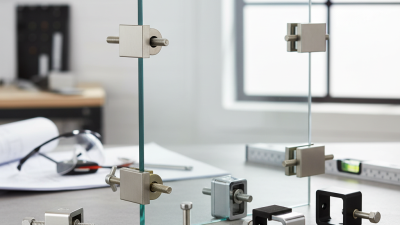
2026 Top Glass Clamp Options for Global Buyers Guide?
In the world of architecture and design, Glass Clamps play a crucial role. Experts agree on their significance. Sarah Johnson, a leading professional in the glass industry, once noted, “The right Glass Clamp makes a world of difference.” This statement resonates strongly as we explore the top options in the market for 2026.
Glass Clamps provide both aesthetics and security. Their sleek design enhances glass installations while ensuring stability. However, choosing a high-quality clamp can be challenging. Variability in designs often leads to confusion among buyers. Many users overlook essential features, which can compromise the integrity of their projects.
For global buyers, understanding the best Glass Clamp options is vital. As innovations continue, the market expands with various choices. However, not all clamps meet the required standards. In a rapid-paced industry, careful consideration remains essential for lasting success.
2026 Global Glass Clamp Market Overview and Key Trends
The glass clamp market has shown significant evolution in recent years. As we approach 2026, buyers are keen on understanding the latest trends. A pivotal trend is the shift towards sustainable materials. Manufacturers are increasingly exploring eco-friendly options for glass clamps. This aligns with the global push for environmentally responsible construction practices.
Another notable trend is the rise of custom solutions. Many buyers prefer tailored options that fit specific project needs. This demand is driven by the growing complexity of architectural designs. Flexible and innovative designs are now more sought after. Buyers are also prioritizing durability as urban environments become more challenging.
However, challenges remain in the market. Quality assurance can sometimes be inconsistent among suppliers. Many buyers express concerns about meeting safety standards. The increasing variety of products complicates decision-making. Some buyers may find it hard to navigate through countless options. This variability reflects the need for reliable sources and expert guidance in the selection process.
Top Manufacturers of Glass Clamps: A Comparative Analysis
When examining the top manufacturers of glass clamps, a few key players stand out in terms of innovation and quality. According to a recent industry report, the global glass clamp market was valued at approximately 1.2 billion USD in 2022. It is projected to reach over 1.8 billion USD by 2026, indicating a steady growth trend. This growth is largely driven by the booming construction and architectural sectors, which heavily rely on glass systems.
Manufacturers are focusing on materials and designs to enhance durability and aesthetic appeal. Reports indicate that stainless steel options are gaining popularity due to their corrosion resistance and strength. However, some manufacturers still struggle with environmental impact, as the production processes can be resource-intensive. Evaluating sustainability practices in this sector will be essential for responsible buying.
Furthermore, the rise of prefabricated glass solutions has created new challenges. Manufacturers must adapt quickly to meet the evolving standards of installation and safety. This shift raises questions about quality control and long-term performance. Buyers often face difficulties in assessing these factors, highlighting the need for transparent sourcing and rigorous testing standards.
Selection Criteria for Glass Clamps: Materials, Sizes, and Finishes
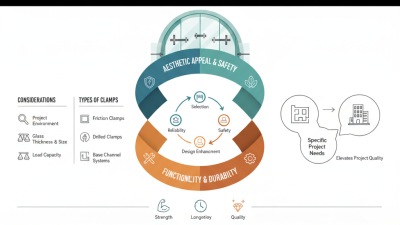
When selecting glass clamps, several criteria come into play. Materials are crucial. Stainless steel and aluminum are popular choices. They offer durability and corrosion resistance. For high-humidity areas, consider materials that resist rust and other forms of degradation. The right choice ensures longevity and functionality.
Sizes are also important. Glass clamps come in various sizes to fit different thicknesses of glass. A well-fitting clamp prevents accidents and improves safety. Measure your glass accurately before making a purchase. This step can greatly impact installation ease.
Finishes add an aesthetic touch. From polished to brushed options, finishes can enhance the overall look. However, finishes can affect grip and performance. A shiny surface may look appealing but might not provide the best grip. Careful consideration of these factors will lead to satisfactory results.
2026 Top Glass Clamp Options for Global Buyers Guide
| Material |
Size (mm) |
Finish |
Load Capacity (kg) |
Application |
| Stainless Steel |
50x50 |
Polished |
100 |
Commercial Building |
| Aluminum |
60x60 |
Brushed |
80 |
Residential |
| Plastic |
40x40 |
Matte |
50 |
Shower Enclosure |
| Die-cast Zinc |
70x70 |
Chrome Plated |
120 |
Store Displays |
| Carbon Steel |
80x80 |
Galvanized |
150 |
Industrial Applications |
Application of Glass Clamps in Commercial and Residential Projects
Glass clamps are essential components in both commercial and residential projects. Their primary function is to securely hold glass panels in place. This is crucial for safety and aesthetic appeal. In commercial settings, glass clamps enhance the open feel of modern office designs. They create seamless connections between glass walls and floors. This design choice allows natural light to flow in, making spaces feel larger and more inviting.
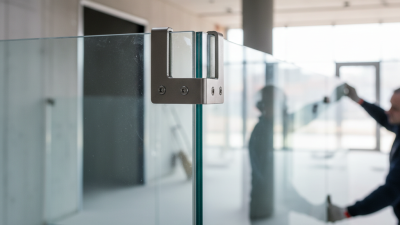
In residential projects, glass clamps are often used for railings and shower enclosures. They provide a sleek and contemporary look. Many homeowners appreciate the minimalist style that glass clamps offer. However, proper installation is key. If not done correctly, it can result in glass panels being loose or unstable, which can pose safety risks.
Regular checks and maintenance can help prevent these issues. It’s important to work with experienced professionals. They understand the nuances of glass installation. This expertise can ensure that glass clamps perform effectively and safely over time.
Future Innovations in Glass Clamp Technology and Design
The glass clamp market is evolving rapidly, driven by innovative designs and advanced materials.
According to a recent industry report, the glass clamp segment is projected to grow at a
CAGR of 5.2% over the next five years. This growth reflects
a broader trend towards enhancing safety and aesthetics in architectural design.
Future advancements in glass clamp technology focus on
improved durability
and ease of installation. Many manufacturers explore solutions that minimize stress on glass panes.
For example, the use of stainless steel and specialized coatings
elevates not only durability but also resistance to weathering.
Customization options are on the rise, allowing architects to tailor clamps to specific project needs.
Tips: When selecting glass clamps, prioritize
those that comply with international safety standards.
Always consider the environmental impact of materials.
Sustainable options may offer not just performance benefits but also a competitive edge.
Additionally, keep an eye on evolving designs that might not yet be widely adopted,
as they could soon set new industry benchmarks.