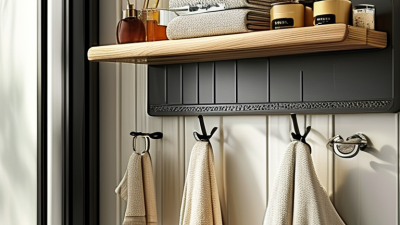
Choosing the best Wall Towel Rail is not simply a matter of matching chrome with your bathroom taps. The right rail must suit your room, towels, heating needs, and daily habits. A narrow ensuite may need a compact ladder rail. A busy family bathroom may require wider spacing and stronger heat output. Measure the available wall carefully. Check the rail’s width, height, projection, and connection position before ordering. A beautiful model can still become frustrating if it blocks a door or leaves towels folded in damp layers.
Bathroom fittings specialist Richard Grohe offers a useful principle: “Good bathroom design begins with how people actually use the room.” That idea matters here. Consider who reaches the rail, how many towels hang there, and whether the wall can support its weight. A heated Wall Towel Rail should also match your heating system, electrical requirements, and bathroom safety zones. Stainless steel resists moisture well, while polished finishes may reveal fingerprints quickly. Small details matter.
Think about tomorrow, too. A rail placed beside the shower may dry towels faster, but constant splashing can increase cleaning. Wall distance matters. So does installation height. There is no perfect rail for every bathroom. I have seen homeowners choose style first, then regret limited hanging space. A slightly wider rail may look less delicate, yet perform better every morning. This guide explores materials, sizes, heat performance, installation, and practical design choices, helping you select a rail that feels right in real use—not only in a product photograph.
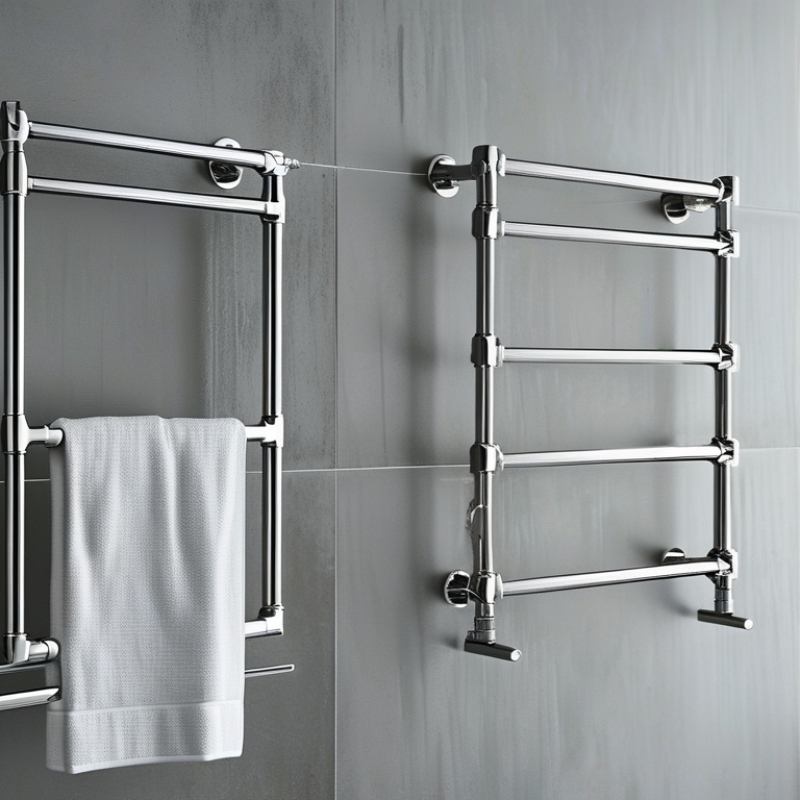
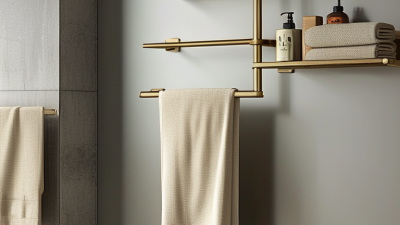
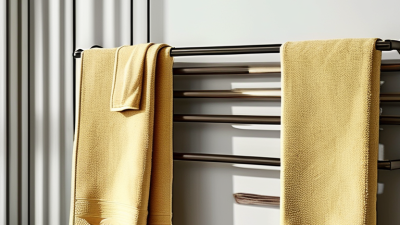
Wall-mounted towel rails are not all designed for the same job. A single straight rail suits one daily towel and smaller bathrooms. Multi-bar rails provide more hanging space, but they need airflow between fabrics. Swivel rails fold neatly against the wall. Ladder rails offer several levels and can hold heavier bath sheets. Heated rails add warmth and drying support, although they should never replace proper bathroom ventilation.
The 2024 Houzz U.S. Bathroom Trends Study reported shower upgrades in 84% of renovated bathrooms. That finding matters because wet towels often remain near the shower zone. A ladder rail positioned outside direct splash range can reduce damp fabric and wall staining. Measure the towel width first. Many installation mistakes begin with choosing a rail that looks attractive but feels cramped in use.
Electric models need careful energy and safety checks. The U.S. Department of Energy notes that bathroom ventilation is essential for controlling moisture, so a heated rail cannot solve condensation alone. Check wattage, timer settings, wall clearance, and the bathroom’s electrical requirements.
My early mistake was mounting a rail too close to the basin. It looked convenient. It was not.
Professional installers also recommend confirming wall strength before fixing heavy rails, especially on tiled plasterboard. Houzz research shows that bathroom upgrades increasingly combine comfort with practical storage, but personal habits still decide the best rail type. Two occupants may need separate rails. One may need none.
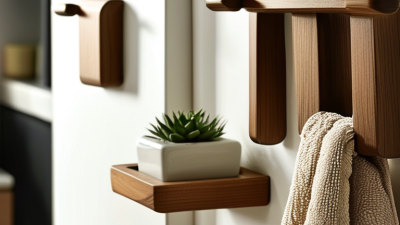
Choosing a wall towel rail starts with measuring the bathroom, not admiring the fixture. Record the distance between the basin, shower, toilet, door swing, and nearest wall. The NKBA Bathroom Planning Guidelines recommend about 30 inches of clear floor space for comfortable bathroom movement. Many local codes also require at least 21 inches in front of bathroom fixtures. Space matters.
Estimate towel demand from real household use. One person may need a bath towel, hand towel, and washcloth daily. A two-person bathroom could require four or more drying surfaces, especially when laundry is not done every day. The U.S. Environmental Protection Agency reports that showering represents nearly 17% of residential indoor water use, so frequent showering can quickly increase damp-towel volume. A heated or wider rail may help, but it cannot replace ventilation.
Available wall area decides the rail’s practical length. Allow clearance from corners, sockets, cabinets, and door hardware. A 600-millimeter rail may hold one generously sized towel, while two shorter rails can serve separate users. Check the wall construction before drilling; tile alone may not support repeated pulling. Houzz’s 2024 U.S. Bathroom Trends Study highlights storage and improved functionality as common renovation priorities, yet a rail mounted behind a door can still be awkward. I would not pretend every measured plan works perfectly. Mark the rail with painter’s tape first. Then test the door swing and towel reach.
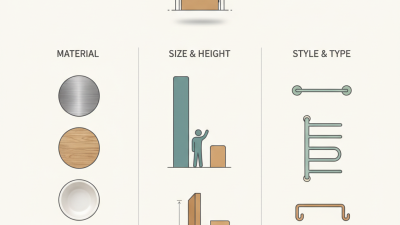
Choosing a wall towel rail starts with moisture, space, and daily habits. Stainless steel suits humid bathrooms because it resists corrosion and needs little maintenance. Mild steel usually costs less, but damaged coating can expose the metal. Brass feels substantial, although it may need more careful finishing. The 2024 Houzz U.S. Bathroom Trends Study reports that 71% of renovating homeowners upgrade their showers, showing how strongly bathroom choices focus on water management. A towel rail should support that wider plan, not compete with it.
Finish changes both appearance and cleaning effort. Polished chrome reflects light and reveals water spots quickly. Brushed metal hides fingerprints better. Matte black looks architectural, but mineral deposits can become obvious. I prefer brushed finishes in busy family bathrooms. That choice is practical, not perfect. Check the manufacturer’s corrosion guidance before installing near a shower.
Measure the wall, towel width, door swing, and clearance from splash zones. A compact 500–600 mm rail may suit one person, while wider models dry several towels more effectively. Heating options include hydronic, electric, and dual-fuel systems. The U.S. Department of Energy states that electric resistance heating converts nearly all delivered electricity into heat, but running costs still depend on tariffs and timer settings. Use a thermostat or programmable timer. The International Energy Agency reports that buildings account for about 30% of global energy demand, so unnecessary heating deserves attention. Published reports rarely isolate towel rails, which makes real household usage worth monitoring.
Choosing a wall towel rail begins with the wall, not the finish.
A practical installer checks wall strength, pipe routes, fixing points, and available clearance. Plasterboard may need suitable anchors or timber reinforcement. Measure the rail against doors, basins, and shower screens. A missed measurement is expensive.
Electrical models require stricter checks. Follow the manufacturer’s installation instructions and local bathroom-zone rules. IEC 60529 defines IP protection ratings, while electrical safety guidance commonly recommends residual-current protection near wet areas. A qualified electrician should confirm the circuit, cable route, earthing, and switch position. Do not place controls where wet hands can reach them. The rail must also support its stated load without twisting from the wall.
Energy use deserves attention. The International Energy Agency reports that buildings consume about 30% of global final energy. A 100-watt rail running for four hours daily uses roughly 146 kWh yearly. A timer, thermostat, or occupancy control can reduce waste. Yet choosing the lowest wattage is not always wise; it may leave thick towels damp and encourage longer operating times. That trade-off needs testing.
Tips: Check the IP rating, wall construction, wattage, timer settings, and warranty terms. Allow airflow around towels. Avoid covering the heating tubes completely. Review real electricity use after one month, because household habits rarely match showroom estimates.
Budget should guide the towel rail, not restrict your bathroom design. A basic ladder rail usually costs less than a heated model. However, installation and electrical work can change the final price. Measure the wall, door swing, and towel width before buying. Measure twice. A 500–600 mm rail suits many family bathrooms, while a narrower model works better beside a vanity.
The 2024 NKBA Bathroom Design Trends Report identifies wellness, storage, and accessibility as important bathroom priorities. A wall-mounted ladder rail supports all three. It keeps towels visible, uses vertical space, and reduces floor clutter. Choose stainless steel or powder-coated steel for humid rooms. Chrome reflects light and suits traditional spaces. Matte black creates stronger contrast, but water marks may show more easily. Looks matter.
For running costs, the U.S. Department of Energy’s Energy Saver guidance states that water heating uses about 18% of household energy consumption. A towel rail is not the main energy load, but an electric model still deserves attention. Select a timer, thermostat, and suitable bathroom protection rating. Ask a qualified electrician about installation zones. I would not assume the cheapest rail is the best value. A poorly placed rail can block drawers or dry towels unevenly. An expensive finish also cannot fix weak heat output. Check the warranty, replacement parts, and realistic towel capacity before choosing.