Best Wall Towel Rail Solutions for Your Bathroom Needs?
When it comes to enhancing your bathroom's functionality, the Wall Towel Rail is an essential fixture. It not only offers a convenient place to hang towels but also adds to the overall style of your space. Many homeowners overlook this crucial element, often settling for less effective solutions. The right Wall Towel Rail can make a significant difference in your daily routine.
Choosing the best Wall Towel Rail involves considering various factors. Material, size, and design play a vital role in ensuring that it meets your specific needs. Stainless steel options provide durability and a modern look, while wooden designs offer warmth and character. These considerations reflect both personal taste and practical necessity.
It’s important to assess the layout of your bathroom before making a decision. A misplaced Wall Towel Rail can disrupt the flow of the room. Some may opt for a compact design in a small space, while others may prioritize functionality in a larger area. Reflecting on these points will lead to more informed choices and ultimately, a better bathroom experience.
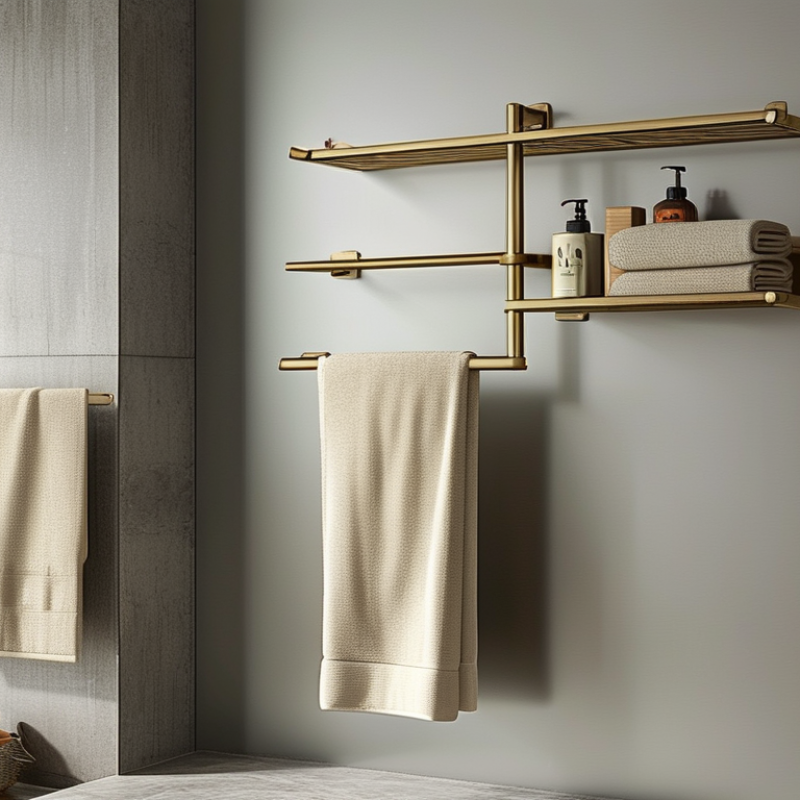
Best Wall Towel Rail Solutions for Your Bathroom Needs
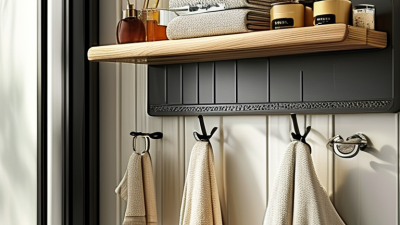
When choosing a wall towel rail, practicality and style go hand in hand. A towel rail should fit seamlessly into your bathroom's aesthetics while serving a functional purpose. Many homeowners overlook height and placement. A towel rail installed too high or low may lead to inconvenience. It should be easily accessible, especially in a busy bathroom.
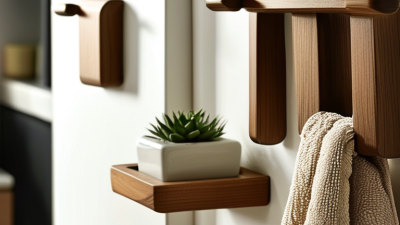
Material choice is crucial as well. Stainless steel offers durability and resistance to rust. Wood, while beautiful, may require more maintenance and isn’t ideal for humid environments. A combination of materials can create a unique look but may complicate cleaning. Consider how often you wash your towels and the impact of humidity on your choice.
Additionally, think about the size of the rail. Smaller bathrooms can benefit from compact designs, while larger spaces may allow for more intricate setups. The width can determine how many towels it can hold. Some may find it tempting to buy a larger rail for future use, but this may not always be practical. Reflect on your current needs before making a decision.
Best Wall Towel Rail Solutions for Your Bathroom Needs
| Type |
Material |
Size (cm) |
Load Capacity (kg) |
Price ($) |
| Single Rail |
Stainless Steel |
60 |
5 |
25 |
| Double Rail |
Aluminum |
80 |
10 |
35 |
| Heated Towel Rail |
Copper |
100 |
15 |
80 |
| Wall-Mounted Rack |
Wood |
90 |
12 |
45 |
| Foldable Towel Rail |
Plastic |
70 |
8 |
30 |
Types of Wall Towel Rails and Their Advantages
When it comes to wall towel rails, there are various types available, each offering unique advantages.
Stainless steel towel rails are popular due to their durability and sleek appearance. They resist corrosion and rust, making them ideal for humid bathroom environments. According to a report by the Home Improvement Research Institute, over 40% of homeowners prefer stainless steel options due to their longevity and aesthetic appeal.
Another prevalent type is heated towel rails.
These not only hold towels but also warm them, providing comfort. The Radiant Heating Association notes that such rails can reduce bathroom humidity levels, preventing mold growth. This dual function makes heated rails a practical investment for many households. However, the installation cost can be a concern for some.
Lastly, wall-mounted towel racks made from wood bring a warm and natural feel to bathrooms. While they may require more maintenance than metal varieties, many homeowners appreciate the visual warmth they add. A survey conducted by the Bathroom Design Association revealed that more than 30% of consumers are willing to compromise durability for aesthetics in their bathroom choices. The key challenge remains finding a balance between style and practicality.
Factors to Consider When Choosing a Towel Rail
When selecting a towel rail for your bathroom, there are several key factors to consider. The first aspect is the material.
Stainless steel and chrome are popular choices for their durability. However, some people may prefer painted finishes for a more personal touch.
Choose what resonates with your style, but remember that some materials require more upkeep over time.
Next, consider the size and space available. Measure your wall area to ensure a proper fit. A towel rail that is too large can overwhelm a small bathroom.
Likewise, a tiny rail may be insufficient for families. Think about how many towels you need to hang. Sometimes, less is more; a simple design can elevate the overall aesthetic.
Another crucial aspect is the installation method. Some towel rails require professional installation, while others are easy to mount yourself.
If you’re not handy, opting for a simpler model might save you time and frustration.
Reflect on whether you’re ready for DIY challenges or prefer something that just works without hassle.
This thought process can ultimately prevent a rushed choice that you may regret later.
Installation Tips for Wall Towel Rails
When considering the installation of wall towel rails, proper placement is essential. A good position often leads to better drying and accessibility. According to the National Kitchen and Bath Association, around 70% of homeowners choose towel rails for their practicality. Mounting height matters; typically, placing the rail 48 to 52 inches above the floor works well for adults. This height considers average usage habits in most households.
Spacing also plays a role in functionality. Positioning multiple towel rails too close together can limit their drying effectiveness. A study from the American Society of Interior Designers indicates that a space of at least 12 inches between towel rails is ideal. This allows towels to hang freely without touching, enhancing airflow. It’s worth considering wall materials too. Anchors may be needed for tiled surfaces, adding complexity to the installation.
Not all installations go smoothly. Uneven walls may require shims for stability. Additionally, homeowners often overlook weight limits, leading to unintentional damage. The variance in towel sizes can also affect usability. Choosing a rail that accommodates different towel sizes can be beneficial. Feedback from homeowners indicates that taking these factors into account can significantly improve user experience.
Maintenance and Care for Long-lasting Towel Rails
A well-maintained towel rail is essential for any bathroom. Regular care can significantly extend its lifespan. Start by cleaning the towel rail frequently. Use a soft cloth and mild detergent. Avoid harsh cleaners that may damage the finish. Ensure you dry it properly after cleaning to prevent rust or water spots.
Inspect your towel rail for signs of damage. Look out for loose screws or fittings. Tightening them can prevent further issues. If you notice rust, consider using a rust remover. Apply a protective sealant afterward. Proper ventilation in your bathroom can also help. This reduces moisture levels, minimizing the risk of mold and rust.
Proper maintenance is often overlooked. Many people wait until issues arise. This approach can lead to costly repairs or replacements. Taking the time to care for your towel rail reflects a commitment to your bathroom's overall quality. Simple actions lead to better longevity.