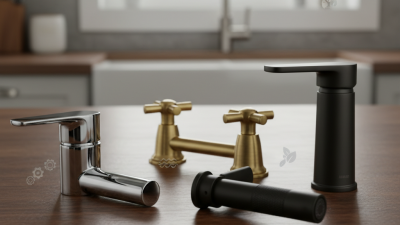
What to Consider When Choosing the Best Faucet Body?
Selecting the right faucet body is crucial for both functionality and aesthetics in any kitchen or bathroom. According to a report by the National Kitchen and Bath Association, 75% of homeowners prioritize style when choosing fixtures. However, they often overlook the importance of durability and design compatibility.
Expert plumber John Smith emphasizes, "A quality faucet body significantly impacts the overall performance and longevity of your plumbing system." The market offers various options, each with distinct materials and designs. Stainless steel, for example, offers a balance of durability and clean lines, while brass remains a classic choice for those seeking a timeless look.
It's vital to consider the specific needs of your space. A well-designed faucet body can prevent leaks and improve water flow, saving both water and money in the long run. Choosing poorly might lead to costly repairs or a less functional space. The faucet body may seem like a minor choice, but it can define the efficiency and style of your home for years to come.
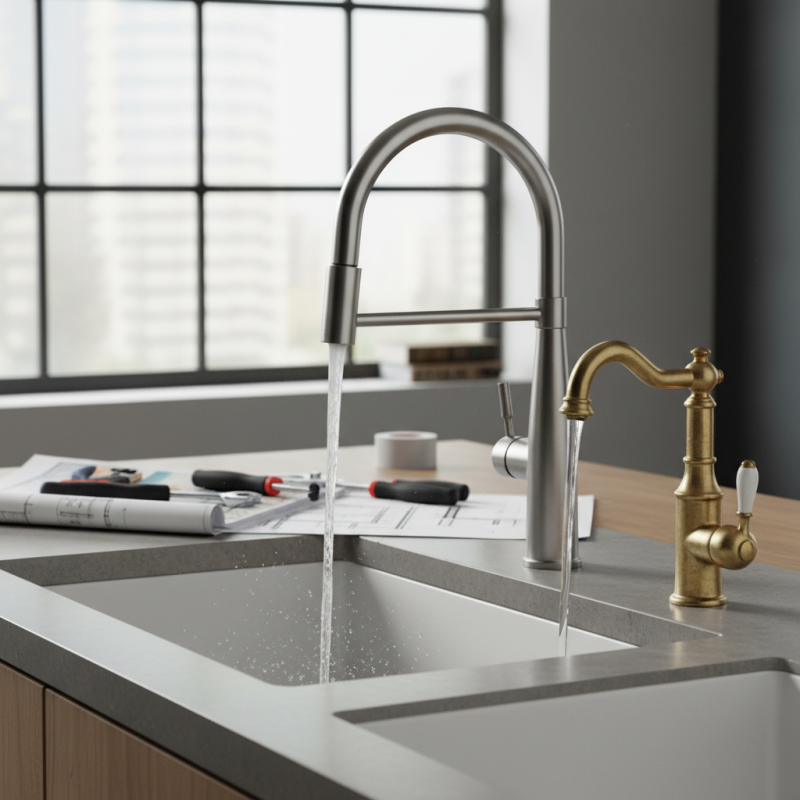
Factors Influencing Faucet Body Material Selection in Kitchen Design
When selecting a faucet body, material is key. Stainless steel and brass are top choices for kitchens. Stainless steel resists rust and tarnish, ensuring longevity. Brass, on the other hand, offers a classic appeal. It is durable but can tarnish over time. Consider your kitchen's design style and the finish that complements it.
Tips for material choice:
Opt for a finish matching your other fixtures. A consistent look enhances your kitchen's overall aesthetic. Pay attention to the weight of the faucet. Heavier faucets usually indicate better quality materials.
Some might overlook functionality. The material affects how easy it is to clean. Smooth surfaces resist spots and fingerprints. Test sample materials to see how they feel and look in your space. Don't forget temperature resistance; choose materials that hold up against heat and steam. Reflect on how often you use your kitchen. High-use areas may need sturdier options to withstand daily wear.
What to Consider When Choosing the Best Faucet Body? - Factors Influencing Faucet Body Material Selection in Kitchen Design
| Material |
Durability |
Corrosion Resistance |
Maintenance |
Cost |
| Stainless Steel |
High |
Excellent |
Low |
Mid-Range |
| Brass |
High |
Good |
Medium |
Higher |
| Plastic |
Medium |
Poor |
High |
Low |
| Bronze |
High |
Excellent |
Medium |
Higher |
| Zinc Alloy |
Medium |
Fair |
Medium |
Low |
Comparative Analysis of Faucet Body Finishes: Pros and Cons
Choosing the right faucet body finish is essential for both aesthetics and durability. Various finishes offer different levels of maintenance and wear resistance. Common options include stainless steel, chrome, and oil-rubbed bronze. Each finish has its unique appearance, but they also come with distinct pros and cons.
Stainless steel is sleek and modern. It resists corrosion and is easy to clean. However, it may show water spots easily. Chrome has a shiny, reflective surface that can make a space feel larger. Unfortunately, it tends to scratch easily and requires frequent polishing. Oil-rubbed bronze provides a rustic appearance with a warm tone but may need more upkeep to maintain its look.
When weighing your options, consider how each finish complements your kitchen or bathroom. Reflect on your lifestyle and cleaning habits. A finish that looks great initially may not hold up over time. Think about the long-term implications of your choice. It's essential to find a balance between beauty and practicality.
Comparative Analysis of Faucet Body Finishes: Pros and Cons
Understanding Flow Rate Requirements for Optimal Faucet Functionality
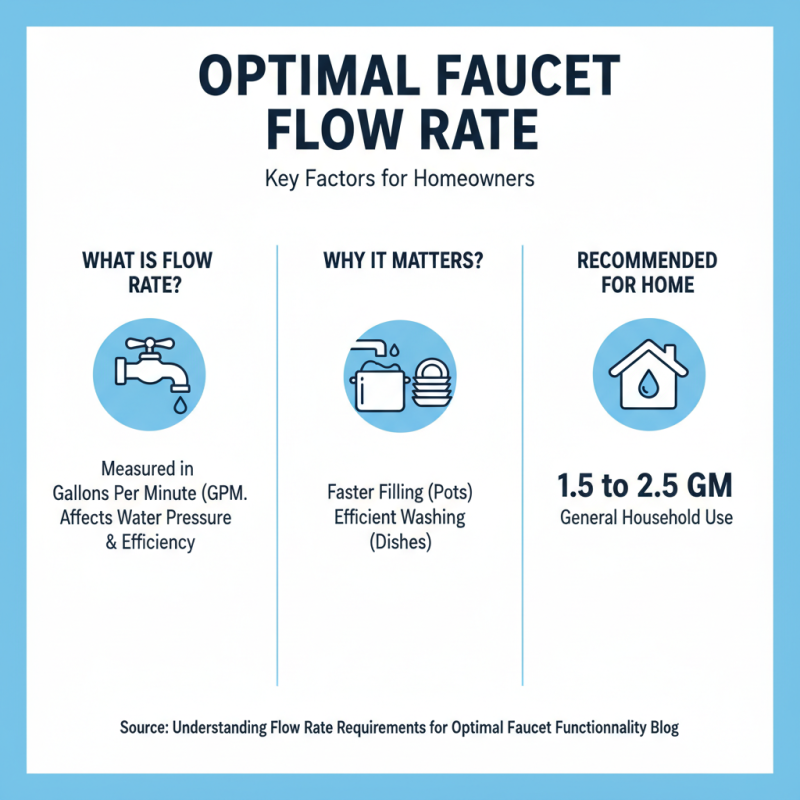
When choosing a faucet, understanding flow rate is crucial for optimal functionality. Flow rate, measured in gallons per minute (GPM), affects water pressure and efficiency. A higher flow rate means more water in less time, ideal for tasks like filling pots or washing dishes. For regular household use, a flow rate between 1.5 and 2.5 GPM is generally effective.
Tips to consider:
- Evaluate your needs. If you often fill large containers, opt for a higher flow rate.
- Be mindful of local regulations. Some places impose restrictions on flow rates to conserve water.
- Test your current faucet’s output. It can help you gauge what flow rate might work best for your home.
An optimal flow rate can enhance daily tasks significantly. However, a high flow can lead to increased water bills and wastage. Thus, striking a balance is essential. Reflect on your water usage habits, as they can inform your choice. Are you an eco-conscious consumer? Consider faucets designed for lower flow rates without compromising performance.
The Role of Cartridge Type in Faucet Body Durability and Performance
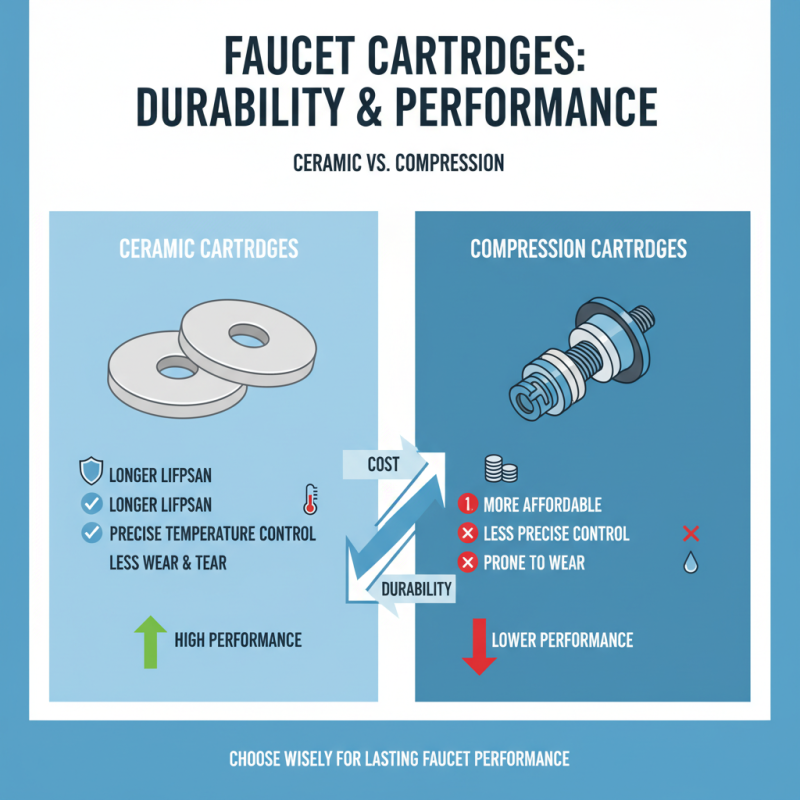
When selecting a faucet body, the type of cartridge plays a significant role in both durability and performance. Cartridges regulate water flow and temperature. There are two common types: ceramic and compression cartridges. Ceramic units tend to last longer and offer precise temperature control. Compression cartridges, while more affordable, may suffer from wear over time.
Consider the environment where the faucet will be used. For high-usage areas, opt for a ceramic cartridge. It withstands repeated use and doesn’t easily degrade. Conversely, in less frequented spaces, a compression cartridge may be adequate.
**Tips:** Always check for warranty details. A longer warranty often indicates higher durability. Also, inspect the faucet design. Simpler designs may reduce points of failure. Maintenance should not be overlooked. Regular cleaning can enhance longevity and performance.
Key Industry Standards for Faucet Quality and Safety Compliance
Choosing the right faucet involves understanding industry standards for quality and safety. Various organizations set guidelines to help consumers identify reliable products. For instance, the American Society for Testing and Materials (ASTM) and the Water Quality Association (WQA) play crucial roles in this area. Their certifications indicate compliance with stringent safety and performance benchmarks.
Reports indicate that more than 70% of faucets tested fail to meet some industry standards. This can lead to issues such as leaks or water quality concerns. Notably, faucets should be tested for durability, lead content, and functionality. A common standard, the NSF/ANSI 61, assesses drinking water system components for safety. Meeting these standards is critical to ensuring consumer safety.
Moreover, continuous advancements in technology introduce complexities in faucet design. Manufacturers must stay updated on evolving regulations. Some may struggle to keep pace. This can create gaps between consumer expectations and product performance. As consumers, being informed about these standards is essential to make wise choices.