How to Choose the Best Bathroom Hinges for Your Needs?
Choosing the right bathroom hinge can significantly impact functionality and aesthetics. A study from the National Association of Home Builders indicates that well-chosen fixtures can increase a home's value by around 5%. When selecting a bathroom hinge, consider material durability and design compatibility.
Bathroom hinges come in various types, finishes, and sizes, catering to diverse needs. The average homeowner may overlook these details, leading to choices that impact longevity and usability. For instance, stainless steel hinges may resist moisture better than plastic alternatives, reducing maintenance.
When evaluating options, think about usage frequency and door weight. Heavier doors require robust hinges for longevity. Remember that some choices may seem cost-effective but could lead to future frustrations. Striking the right balance between style and function is crucial.
Types of Bathroom Hinges: An Overview of Options Available
When selecting bathroom hinges, it’s crucial to explore the options available. Different types cater to various needs and aesthetics. Standard hinges are common, offering basic functionality. They allow doors to swing open and close seamlessly. However, they may not withstand humidity, leading to rust over time. It’s essential to assess the environment. Using durable materials can extend longevity.
Pivot hinges are another popular choice. These allow doors to pivot from a single point. They create a sleek look for modern designs. A downside is that installation might require specific alignment. It's a specialized job that can be tricky for beginners.
Concealed hinges hide from view, offering a clean, minimalist appearance. They fit well in contemporary settings. However, they may lack the strength needed for heavy doors. Soft-close hinges are ideal for avoiding slams. This feature is often essential in family bathrooms. Choosing the right type involves balancing aesthetics and functionality. Each option presents unique advantages and challenges to consider.
Material Considerations: Choosing Durable Hinges for Humid Environments
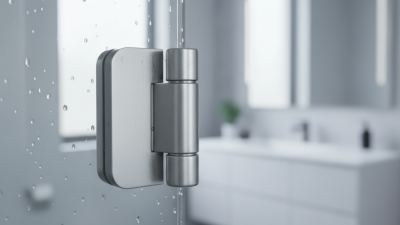
When selecting bathroom hinges, material considerations are paramount, especially in humid environments. Stainless steel and brass are excellent choices due to their corrosion resistance. These materials withstand moisture better than others. However, not all stainless steel is the same. Look for hinges made from marine-grade stainless steel. These offer superior durability and longevity.
Tips: Always check the hinge specifications. Look for a rating that guarantees durability in high-humidity areas. Many people overlook this detail. Remember, a small investment in quality hinges can prevent larger problems later.
Another important factor is the finish. Satin and brushed finishes are less likely to show water spots. Smooth surfaces minimize moisture retention. This can be a game-changer in upkeep. On the flip side, shiny finishes may require more maintenance. Think about how often you will clean them.
Tips: Regularly examine your hinges for signs of wear. Corrosion can lead to functionality issues. Stay proactive to maintain hinges in top condition. After all, replacing hinges can be a messy task.
Durability of Bathroom Hinge Materials in Humid Environments
Weight Capacity: Assessing the Load Requirements for Your Bathroom Door
When selecting bathroom hinges, assessing the weight capacity is critical. Bathroom doors can vary significantly in size and material. For instance, solid wood doors may weigh over 30 pounds. In contrast, a hollow-core door could weigh around 10 to 20 pounds. An accurate understanding of load requirements is essential for choosing suitable hinges.
According to industry reports, standard residential hinges typically support up to 50 pounds. However, heavy-duty options can manage loads exceeding 100 pounds. If your bathroom door is particularly heavy or if it swings frequently, consider investing in hinges with a higher weight capacity. This consideration ensures long-term durability and proper functionality.
Installation matters as well. Misaligned hinges can lead to door sagging and inefficiency. Regularly check that the screws are tight. Inspect the hinges for wear signs and replace them when necessary. These small steps help maintain performance over time. Still, many homeowners overlook this crucial aspect. A little attention can prevent larger problems down the line.
Finish and Aesthetic: Matching Hinges with Your Bathroom Design
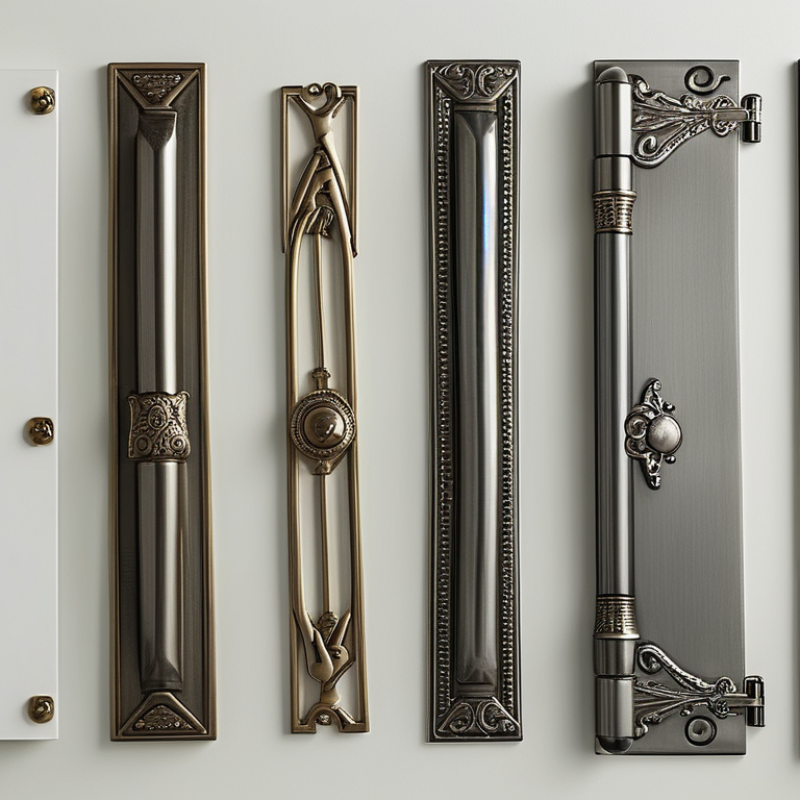
Choosing the right bathroom hinges involves understanding both functionality and design. The finish and aesthetic of hinges play a crucial role in matching them with your overall bathroom decor. Many homeowners overlook this aspect, but the right hinge can enhance the bathroom's visual appeal. According to the Home Remodeling Industry report, effective aesthetic design increases perceived home value by 15% on average.
When selecting hinges, consider materials that complement your bathroom's fixtures. Traditional brass finishes work well with vintage styles. In contrast, sleek stainless steel suits modern designs. Pay attention to details. A misalignment in finishes may disrupt the harmony of your space. Visual consistency can create a more welcoming atmosphere.
Tips: Match hinge finishes with faucets and other hardware for a cohesive look. Consider the color palette of your bathroom when selecting hinges. A well-chosen hinge can create that polished appearance you desire. Keep in mind, not all hinges offer the same durability. Some may require more frequent replacement. Balance aesthetics with longevity for the best results. Make informed choices for a bathroom that truly reflects your style.
How to Choose the Best Bathroom Hinges for Your Needs? - Finish and Aesthetic: Matching Hinges with Your Bathroom Design
| Hinge Type |
Material |
Finish Options |
Aesthetic Pairing |
Recommended Uses |
| Standard Door Hinge |
Stainless Steel |
Brushed Nickel, Chrome |
Contemporary, Modern |
Wooden or Metal Doors |
| Piano Hinge |
Brass |
Polished, Antique Finish |
Classic, Vintage |
Cabinet Doors, Foldable Structures |
| Concealed Hinge |
Zinc Alloy |
Matte Black, White |
Minimalist, Sleek |
High-End Cabinets |
| Self-Closing Hinge |
Steel |
Brushed Stainless, Oil Rubbed Bronze |
Traditional, Rustic |
Bathroom or Kitchen Doors |
Installation Tips: How to Properly Install Bathroom Hinges for Longevity
Proper installation of bathroom hinges is crucial for their longevity and effective functionality. Choosing the right hinge material is essential. Stainless steel is often preferred for its corrosion resistance, especially in humid environments. A report from the National Association of Home Builders indicates that almost 70% of bathroom remodels highlight the importance of quality hardware, including hinges.
Tips for installation include ensuring precise alignment. Misalignment can cause undue stress and lead to hinge failure. Use a level to check that doors hang straight. Another important tip is to pre-drill screw holes. This helps prevent wood splitting and allows for a smoother installation process.
When securing hinges, avoid over-tightening. This can warp the door and damage the hinge. A typical bathroom door weighs about 20-25 pounds, so choose hinges rated for at least 40 pounds to ensure durability. Regularly inspect your hinges for signs of wear. Addressing minor issues early can prevent larger problems later on.