10 Essential Tips for Choosing the Right Bathroom Hinge
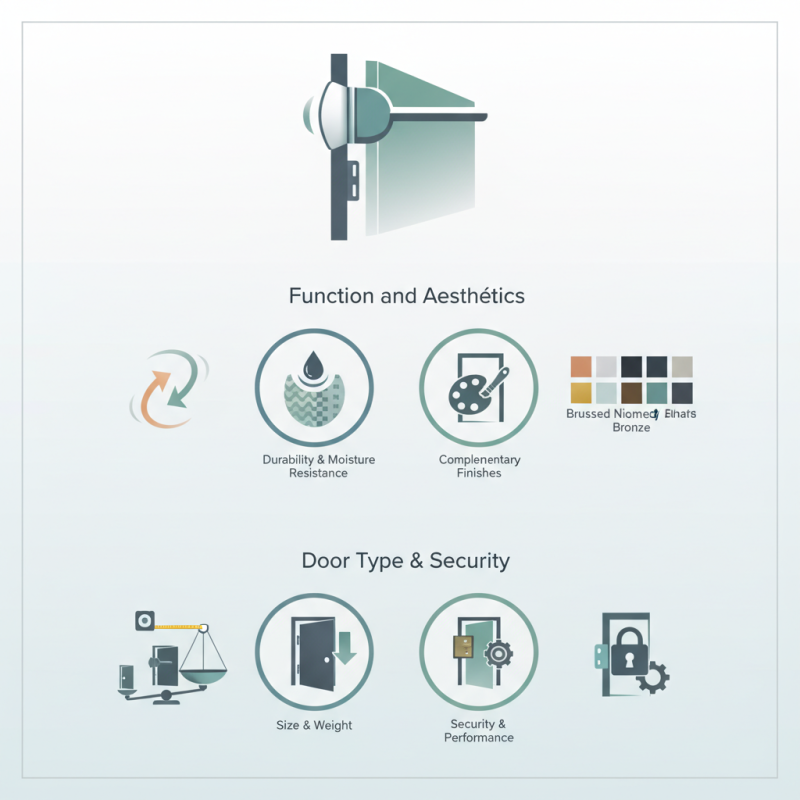
Choosing the right bathroom hinge is crucial for both function and aesthetics. A quality hinge ensures that your bathroom door operates smoothly and lasts for years. It can enhance the overall look of your space, so making an informed decision is essential.
When selecting a bathroom hinge, consider materials, finishes, and durability. Stainless steel and brass are common options due to their resistance to moisture. Additionally, the finish can complement your bathroom's design. Think about how the hinge will work with your existing decor for a cohesive appearance.
It's also important to reflect on the size and weight of your bathroom door. A heavier door may require a sturdier hinge for optimal performance. Evaluating your specific needs can guide your choice. Don’t overlook the impact of the hinge on door function and security. Making an educated decision will save you time and effort in the long run.
Understanding Different Types of Bathroom Hinges and Their Features
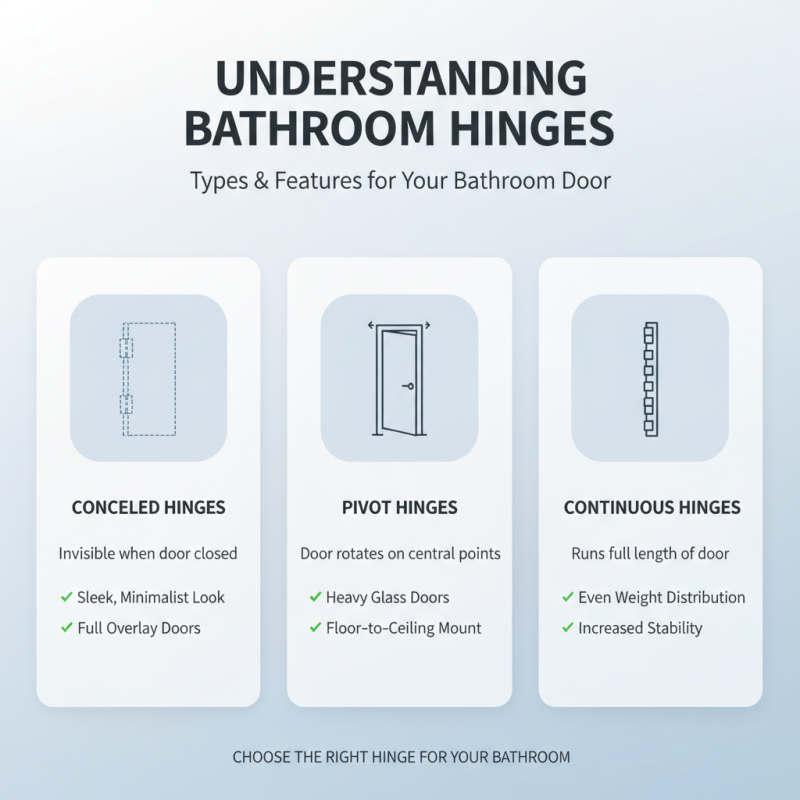
When choosing bathroom hinges, understanding the types available is crucial. Different hinges offer varying features and benefits. For instance, concealed hinges provide a sleek look; they hide the hinge from view when the door is closed. Other options include pivot hinges and continuous hinges. Each type has unique installation requirements and aesthetic qualities.
Consider your bathroom's design and how the hinges will function. The materials used can significantly impact durability and corrosion resistance. Brass hinges are sturdy and resistant to moisture. Stainless steel is another popular choice for its longevity. It's essential to balance style and practicality.
When selecting hinges, pay attention to weight capacity. Heavy doors may require sturdier options. Remember, the finish matters too. A matte finish might suit modern designs, while polished options can complement traditional styles. Reflect on how each choice aligns with your vision. Choose wisely to ensure functionality and appeal.
Assessing Durability and Material Quality for Bathroom Hinges
When choosing bathroom hinges, focus on durability and material quality. Hinges bear the weight of the door. They must withstand humidity and frequent use. Rust-resistant materials are essential. Stainless steel or coated metals often offer longer life spans. Plastic hinges can be cheaper but lack durability over time. They may warp or break under stress.
Consider the environment where your hinges will be installed. High moisture areas need specifically designed fittings. Make sure to avoid lower-quality alternatives that may seem appealing. Weigh their reliability against potential costs of frequent replacements. Warranty information can be valuable. Look for hinges with proven track records.
Installation is another critical point. Properly installed hinges enhance durability. Incorrect installation can lead to premature wear. Check for any misalignment during setup. Sometimes, hinges can stick or provide uneven movement, indicating a need for adjustment. Reflect on these factors before making your choice. It can save time and money in the long run.
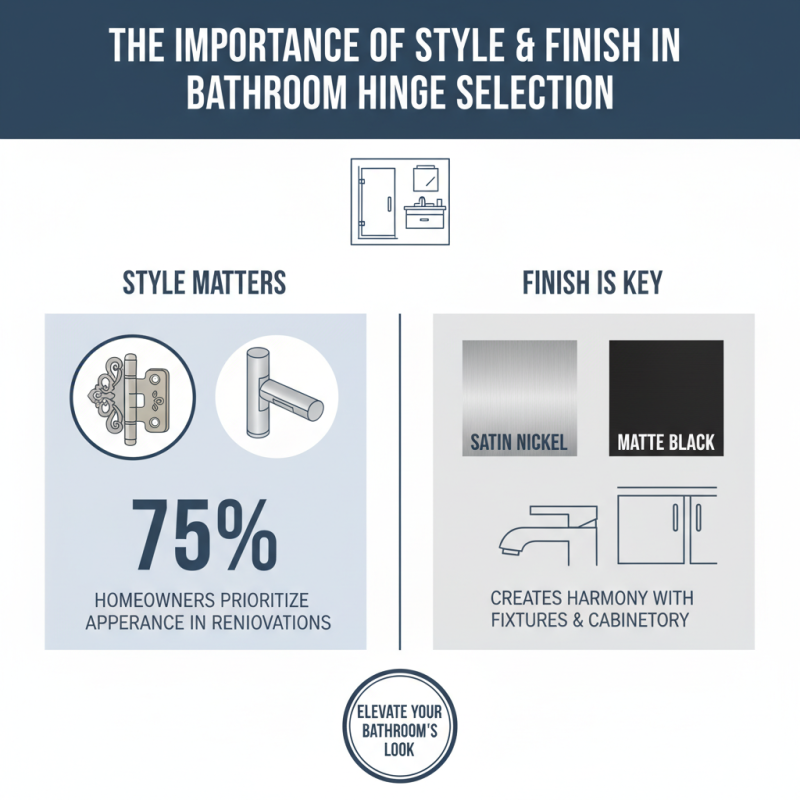
The Importance of Style and Finish in Bathroom Hinge Selection
When selecting bathroom hinges, style and finish are crucial. A well-chosen hinge can enhance the overall aesthetic of the bathroom. Reports indicate that 75% of homeowners prioritize appearance in renovation projects. The right finish, whether it’s satin nickel or matte black, plays a role in creating harmony with fixtures and cabinetry.
Tip: Consider the bathroom's existing color scheme. This can guide you in selecting a hinge that complements other elements. A hinge that contrasts too much can disrupt the design flow.
Moreover, the material of the hinge matters. For humid environments, stainless steel or corrosion-resistant options are advisable. Experts suggest that this choice can extend the lifespan of bathroom hardware. However, many overlook the maintenance required for different finishes. Some may show water spots or fingerprints easily and require regular cleaning.
Tip: Test samples in your space if possible. This practical step allows you to see how they interact with light and surrounding colors. Small imperfections or mismatches can become apparent only upon installation. Your bathroom should feel cohesive, not disjointed. Remember, the details make the space truly your own.
How to Measure Properly for Bathroom Hinges Installation
When choosing bathroom hinges, precise measurements are crucial for installation. Many homeowners underestimate the importance of accurate measurements. A report from the National Kitchen & Bath Association indicates that improper sizing can lead to functionality problems. It also states that roughly 30% of homeowners face issues due to incorrect hinge selection.
To measure for bathroom hinges, start by assessing the door thickness. Standard sizes range from 1 3/8 inches to 1 3/4 inches. Using a reliable caliper can deliver accurate results. Measure the width of the door at the top, center, and bottom. This helps identify any irregularities. Additionally, check the distance from the top of the door to the center of the hinge. For a well-functioning door, these measurements must align with the hinge specifications.
Consider the door's weight, too. A heavier door may require more robust hinges. According to industry guidelines, hinges should support at least five times the door's weight for optimal performance. Many DIY projects fail due to overlooked details, like the alignment of hinges. Ensuring perfect alignment minimizes stress on the door and prolongs hinge life. Small errors in measurement can become significant problems during installation.
10 Essential Tips for Choosing the Right Bathroom Hinge
Cost Considerations and Budgeting for Bathroom Hinges
When considering bathroom hinges, budgeting is vital. The cost of hinges often depends on material, design, and durability. Standard options include stainless steel, brass, and plastic. Metal options usually cost more but offer better longevity and performance. Plastic hinges are cheaper, yet they may not withstand moisture and weight as well.
Evaluate the total expense, not just the initial price. Consider installation costs. Some hinges may require professional installation, adding to the overall budget. DIY can save money but ensure you have the necessary skills. Research can reveal if special tools are required.
It's also essential to think about the long-term value. Cheaper hinges may need replacement sooner, leading to higher costs in the future. While it might be tempting to cut corners, investing in quality can result in savings down the line. Always weigh options carefully. Cheap may end up costing more. Take time to assess all factors before deciding.
10 Essential Tips for Choosing the Right Bathroom Hinge - Cost Considerations and Budgeting for Bathroom Hinges
| Hinge Type |
Material |
Average Cost ($) |
Durability Rating |
Maintenance Frequency |
| Concealed Hinge |
Stainless Steel |
15 |
High |
Low |
| Piano Hinge |
Aluminum |
20 |
Medium |
Low |
| Spring Hinge |
Brass |
10 |
Low |
Medium |
| Self-Closing Hinge |
Zinc Alloy |
25 |
High |
Low |
| Flag Hinge |
Steel |
12 |
Medium |
High |