How to Choose the Best Glass L Clamp for Your Needs?
When it comes to selecting the right Glass L Clamp, expert opinions can be invaluable. John Smith, a recognized authority in glass installation, emphasizes, "Choosing the right clamp is crucial for safety and effectiveness." This insight is vital as the Glass L Clamp serves as a key component in holding glass panels securely during installation.
The market offers various Glass L Clamps, each designed with specific needs in mind. Some clamps excel in heavy-duty applications, while others are suited for lighter projects. The choice impacts not just the installation process but also the final outcome. Finding a reliable clamp requires attention to detail. Many overlook weight limits or compatibility with different glass thicknesses.
Making an informed decision may feel daunting. However, understanding your project requirements can simplify the process. A well-chosen Glass L Clamp can prevent costly mistakes. Always prioritize clamps that meet stringent safety standards. This can help ensure a durable and safe installation.
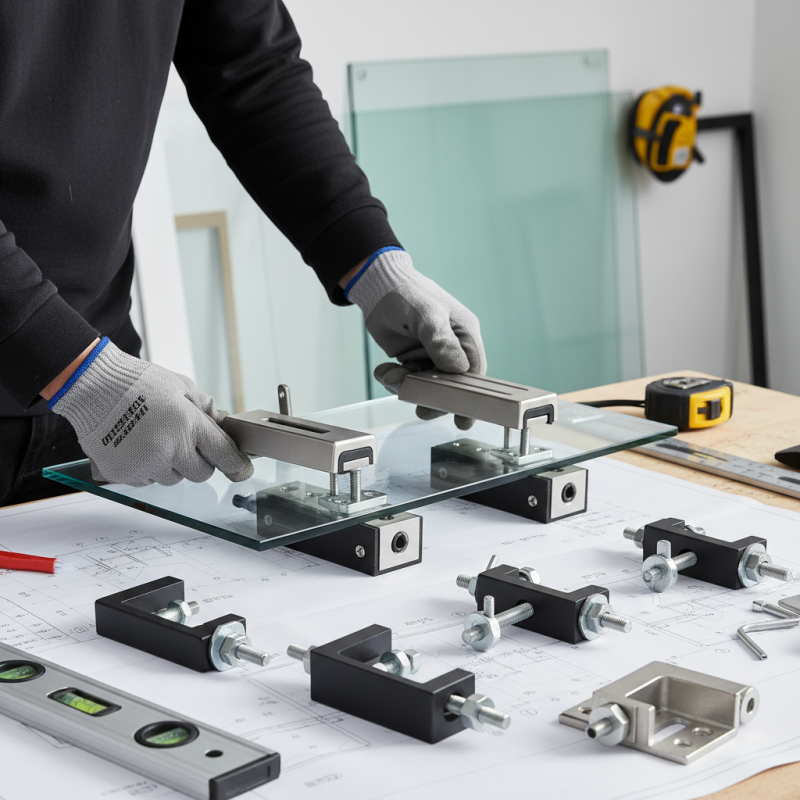
Understanding the Purpose of Glass L Clamps in Construction
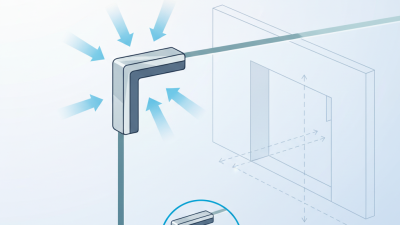
Glass L clamps are essential tools in construction. They secure glass panels in place, ensuring both stability and safety. By anchoring the glass tightly to a surface, these clamps prevent unwanted movements. This is crucial for projects involving windows, glass doors, and partitions.
Understanding their purpose helps in choosing the right type for your project. Proper alignment is key. Poorly fitted clamps can lead to leaks or structural weaknesses. Observing installation techniques from experienced professionals can provide insights. They often highlight common mistakes, such as incorrect tightening or mismatched sizes.
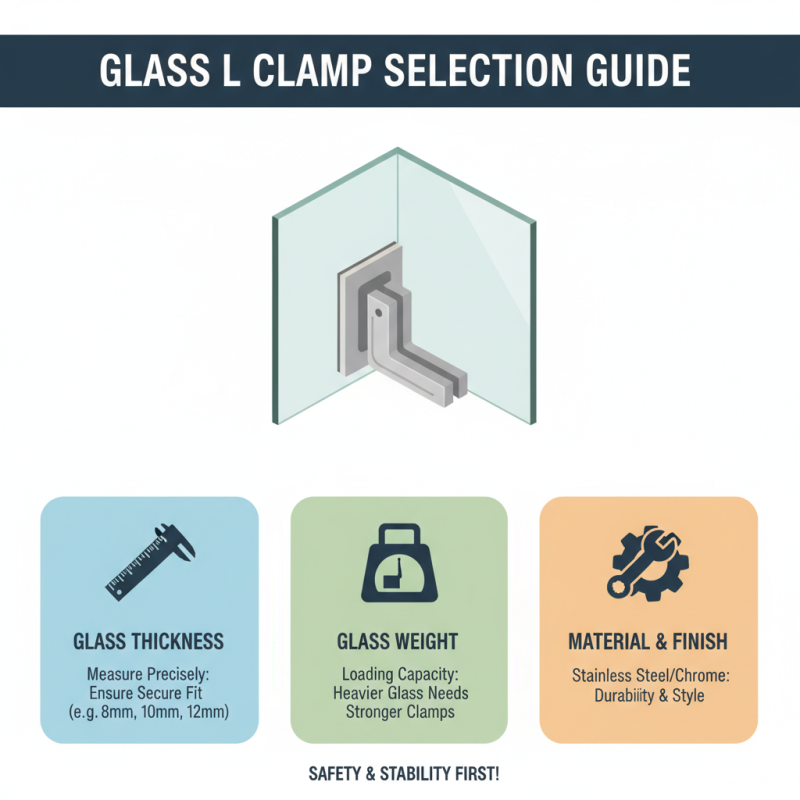
When selecting glass L clamps, consider material and finish. Steel clamps, for instance, offer durability. However, they may not be the best choice for coastal areas due to rust. Visualizing the installation process can guide decision-making. A poorly executed setup can result in costly repairs. Reflecting on past experiences can enhance future choices. It's not just about picking a clamp; it's about ensuring long-lasting results.
Different Types of Glass L Clamps and Their Applications
When selecting glass L clamps, understanding their different types and applications is crucial. There are several varieties available, each designed for specific tasks. For example, fixed L clamps are stable and perfect for securing glass panels in place. They work well in vertical installations, such as glass walls or partitions. These clamps can bear significant weight while maintaining structural integrity.
Adjustable L clamps provide flexibility. They allow for slight alterations in tension, making them ideal for projects where alignment may be an issue. Their adaptability is beneficial in areas like glass shelving or custom display cases. On the other hand, corner clamps are specifically designed for angles. These are particularly useful when joining glass at 90-degree angles, ensuring a seamless and aesthetically pleasing finish.
It's essential to consider the material and size of the clamp as well. A poorly chosen clamp could lead to accidents or failures. Factors such as load-bearing capacity and the thickness of glass should never be overlooked. It's easy to assume all clamps are the same, but nuances make a significant difference. Take time to analyze the specific needs of your project. This careful deliberation can prevent costly mistakes down the road.
How to Choose the Best Glass L Clamp for Your Needs? - Different Types of Glass L Clamps and Their Applications
| Type of Glass L Clamp |
Material |
Max Glass Thickness |
Application |
Adjustment Feature |
| Standard L Clamp |
Aluminum |
10 mm |
Framing and Support |
Fixed |
| Heavy-Duty L Clamp |
Stainless Steel |
15 mm |
Industrial Applications |
Adjustable |
| Plastic L Clamp |
Plastic |
8 mm |
DIY Projects |
Fixed |
| Quick Release L Clamp |
Aluminum |
12 mm |
Workshop and Assembly |
Quick Adjustment |
Evaluating Quality and Durability in Glass L Clamps
When selecting a glass L clamp, evaluating its quality and durability is crucial. Key factors include material type, weight capacity, and construction method. High-quality clamps typically feature robust materials like stainless steel or anodized aluminum. According to industry reports, stainless steel clamps can withstand higher loads without bending or breaking. They demonstrate superior resistance to rust and corrosion, extending their lifespan significantly.
Additionally, weight capacity ratings are vital. Research shows that top-performing clamps offer a weight capacity ranging from 150 to 300 pounds. This range ensures they can handle heavy glass installations. Users often overlook the importance of proper installation. Even the best clamps can fail if not installed correctly. A poorly installed clamp can lead to glass slipping or breaking.
Durability also hinges on design elements, such as the type of fastener used. Some clamps have adjustable screw systems, allowing for better grip on uneven surfaces. However, the screws may loosen over time, requiring periodic checks. It's essential to balance durability with the complexity of use. A straightforward design typically enhances reliability, but users must evaluate if it meets their needs effectively.
Tips for Proper Installation and Usage of Glass L Clamps
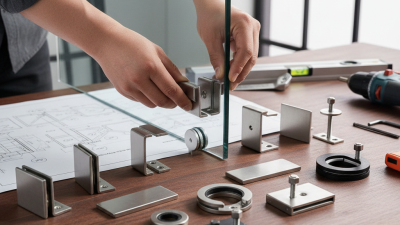
When installing glass L clamps, precision is key. Begin with accurate measurements of the glass panels. Ensure that the clamps fit snugly without being overly tight. Each clamp should provide adequate support while allowing slight flexibility. A miscalculated installation can lead to cracks or breakage, which is costly and dangerous.
Proper installation also requires the right tools. Use a level to check that the clamps align correctly with the glass. This step is crucial in achieving a stable structure. Don't overlook the importance of a clean surface. Dust or debris can hinder the clamp's grip. Sometimes, users forget simple details but these can make a big difference.
Usage of glass L clamps calls for caution. Regularly check the clamps for wear and tear. Any loose clamps may compromise the integrity of the load. It’s vital to maintain a watchful eye on these components, even after installation. Accidents can happen if you ignore minor issues over time. A proactive approach can prevent potential dangers.