What is a Basin Faucet and How to Choose the Right One?
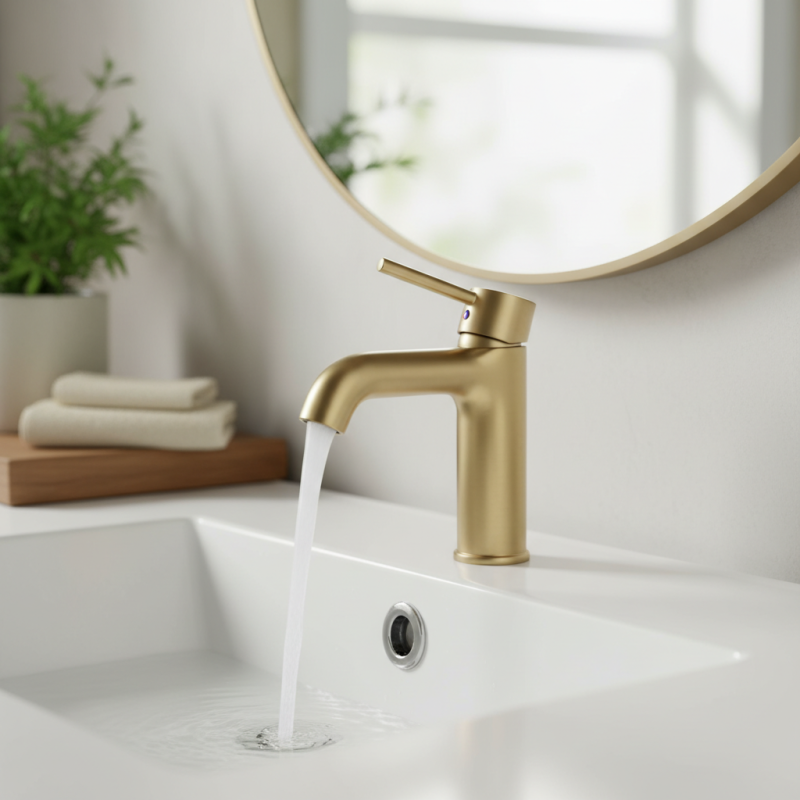
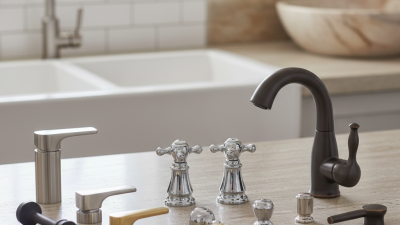
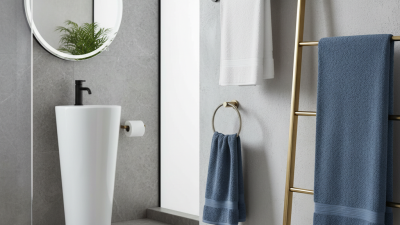
Choosing the right basin faucet can transform your bathroom experience. A basin faucet is not just a functional piece; it’s also a key design element. The right faucet adds style and convenience, elevating the overall aesthetic of your space.
When selecting a basin faucet, consider several factors. Look at the style that matches your bathroom decor. Think about the finish that complements other fixtures. The size and spout height are also crucial. A well-chosen faucet can enhance your daily routines.
However, the choices can be overwhelming. Many styles and materials exist, each with its pros and cons. Researching, seeking advice, and considering your specific needs are essential. This process may not be straightforward, but the right basin faucet can provide lasting satisfaction.
What is a Basin Faucet?
A basin faucet is an essential fixture in every bathroom or kitchen. It provides a controlled flow of water, allowing users to wash their hands, fill containers, or conduct various tasks with ease. The design of basin faucets varies widely, featuring different styles, materials, and functionalities. McKinsey’s report on home fixtures indicates that nearly 70% of homeowners prioritize faucet design when renovating their spaces. This shows the importance of aesthetics alongside functionality.
When choosing a basin faucet, it is crucial to consider several factors. The height and reach of the spout can impact usability. For instance, a taller spout may accommodate various kitchen tasks better, while a compact faucet might suit smaller bathrooms. Additionally, materials play a significant role in durability. According to the American Society of Plumbing Engineers, faucets made from solid brass or stainless steel often have a longer lifespan. Yet, some homeowners overlook these details, leading to frequent replacements.
Another common oversight is the choice between single-handle and dual-handle faucets. Single-handle designs can be more convenient, yet some users prefer dual handles for precise temperature control. A recent industry survey revealed that 45% of consumers experienced frustration when using single-handle models due to temperature variations. Users often find themselves reflecting on their choices, realizing the impact of faucet selection on daily life.
Basin Faucet Types and Popularity
This chart displays the popularity of different types of basin faucets, highlighting the preferences among consumers. The Single Handle faucet leads the way, followed by Pull Down models. Other types like Single Hole and Wall Mounted faucets have lower popularity but still account for a segment of the market.
Types of Basin Faucets Available on the Market
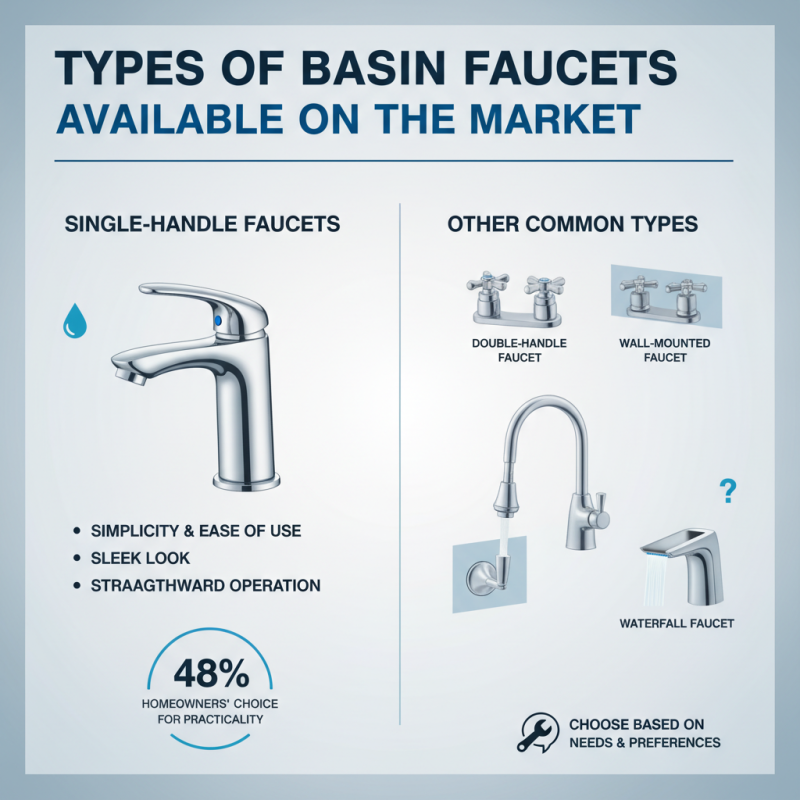
When choosing a basin faucet, understanding the types available is essential. Basin faucets come in various styles and configurations, catering to different needs and preferences. Some common types are single-handle faucets, which offer simplicity and ease of use. They are often preferred for their sleek look and straightforward operation. A study showed that 48% of homeowners favor single-handle designs due to their practicality.
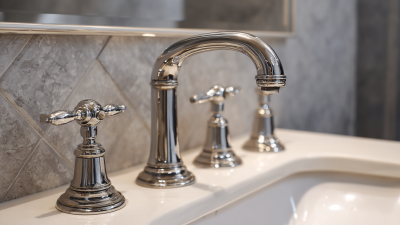
Another popular type is the double-handle faucet. This design allows precise control over hot and cold water. A report by the Kitchen & Bath Industry Association indicates that around 35% of consumers choose double-handle faucets for their traditional appeal. These faucets can be more complicated to install but are celebrated for their durability and retro aesthetic.
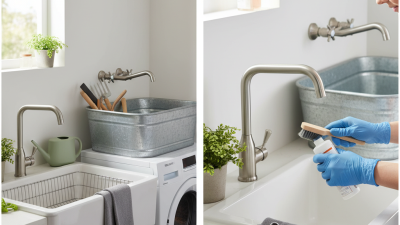
Wall-mounted faucets are also gaining traction. They free up sink space and create a modern look. Despite their benefits, many face challenges with installation and plumbing compatibility, which can deter some buyers. Misalignment issues or improper faucet height can break the sleek appearance. Balancing style and functionality may lead to re-evaluating options. Each type of faucet has its pros and cons, making thoughtful consideration crucial.
Key Features to Consider When Choosing a Basin Faucet
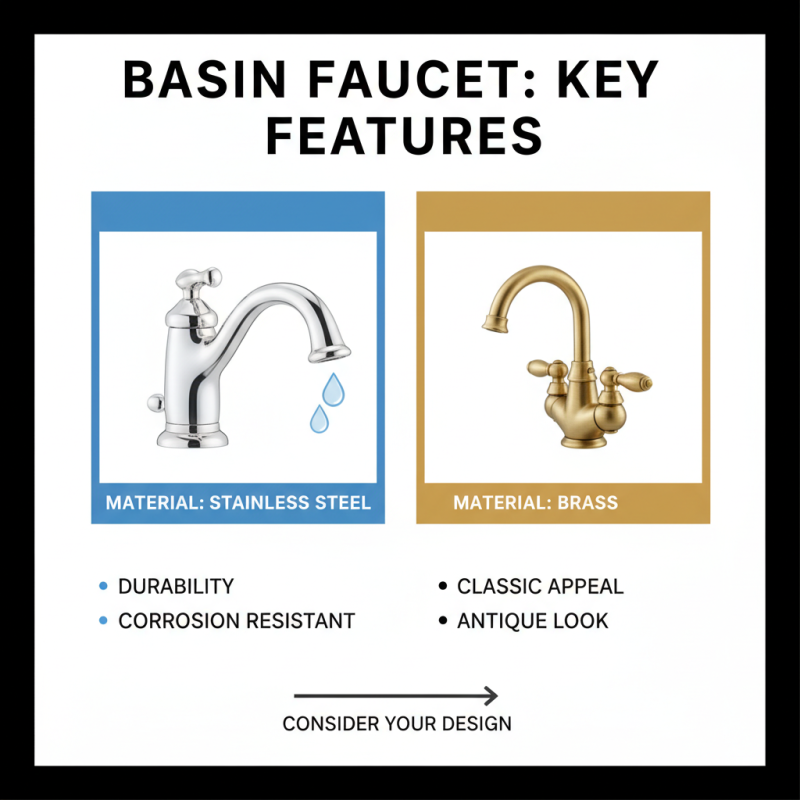
Choosing the right basin faucet involves several key features. Start with the material. Stainless steel is popular for its durability and corrosion resistance. However, some may prefer brass for its classic appeal. Each material has its pros and cons, so consider your kitchen or bathroom design.
Next, think about the faucet type. Single-handle faucets are easy to use, especially when your hands are full. Double-handle models offer more precise temperature control. The style matters too. Modern designs can enhance a contemporary space, while vintage styles add character.
Finally, pay attention to the installation process. Some faucets are designed for DIY installation, while others may need professional help. Make sure to check your plumbing compatibility. Imperfections can lead to leaks or function issues. It’s better to invest time in choosing wisely than to regret a poor choice later.
How to Measure for the Right Basin Faucet Fit
Choosing the right basin faucet involves careful measurement for a perfect fit. Start by determining the dimensions of your sink. Measure the distance from the center of the mounting holes to the back of the sink. This will help ensure that your faucet doesn't interfere with your wall or backsplash. Pay attention to the height and spout reach of the faucet, as these elements can impact usability.
Tips: Ensure there’s ample space for the faucet handle to operate comfortably. A taller faucet might be more convenient for filling tall pots.
Next, consider the type of faucet you prefer. There are single-handle and dual-handle designs. Dual-handles offer individual temperature control but require more space. Single-handle faucets are versatile and easier to operate.
Tips: Think about the style that complements your bathroom. Modern designs might clash with vintage decor. Aligning styles can enhance the overall look of your space.
Lastly, assess the quality of materials used. Brass and stainless steel are durable choices. Avoid plastic components, as they may wear out quickly. A reliable faucet ensures longevity and a constant water flow. Choose wisely to avoid unnecessary replacements.
Installation Tips for Your Selected Basin Faucet
Choosing the right basin faucet involves considering installation factors. Correct installation ensures optimal performance. According to a recent study, 30% of plumbing issues stem from poor installation practices. Thus, attention to detail is crucial.
Start by examining the existing plumbing layout. Know the space available under the sink. Ensure the faucet's height fits the basin depth. Measure carefully to avoid complications during installation. Review the connection types; standard options include compression fittings and flexible hoses. A disappointing 40% of DIY installers encounter leaks due to mismatched connections.
When mounting, secure all bolts gently to prevent cracks. Over-tightening can lead to unnecessary damage. Use plumber's tape on threaded connections to enhance sealing. Finally, check for water flow after installation. Proper testing can save future headaches. Always have a plan B. If issues arise, don’t hesitate to consult a professional. Simple mistakes can lead to extensive repairs.
What is a Basin Faucet and How to Choose the Right One? - Installation Tips for Your Selected Basin Faucet
| Feature |
Description |
Tips for Choosing |
| Material |
Commonly made from brass, stainless steel, and plastic. |
Choose durable materials that resist corrosion. |
| Style |
Available in modern, vintage, and transitional styles. |
Select a style that matches your bathroom decor. |
| Faucet Type |
Single-handle, double-handle, and touchless faucets. |
Consider ease of use and convenience for your needs. |
| Flow Rate |
Measured in gallons per minute (GPM). |
Look for a flow rate that balances efficiency and performance. |
| Installation Type |
Wall-mounted or deck-mounted options available. |
Match installation type to your sink design. |
| Warranty |
Manufacturer warranties can vary in length. |
Choose a faucet with a good warranty for peace of mind. |