request to quote
Leave Your Message

How to Choose the Best Pull Faucet for Your Kitchen in 2026?

Choosing the best Pull Faucet in 2026 requires more than matching finishes with kitchen cabinets. It means examining reach, spray control, mounting space, water pressure, and daily cleaning habits. A beautiful faucet can still disappoint if its hose retracts poorly or its handle hits the backsplash.

Market evidence supports careful comparison. Grand View Research’s Kitchen Faucets Market report identifies design innovation, easier installation, and water efficiency as continuing growth drivers. The Houzz 2024 U.S. Kitchen Trends Study also shows that homeowners increasingly invest in practical kitchen upgrades during renovations. However, market growth does not guarantee quality. Reports describe broad trends, not the performance of one model in your sink.

Richard Trethewey, plumbing expert from This Old House, offers a useful principle: “The most important thing is making sure the faucet works with the sink and the water supply.” That advice sounds basic. It is often overlooked.

Measure the number of mounting holes. Check the spout’s clearance above a large stockpot. Test whether the pull-down hose reaches every corner of the basin. Look for ceramic cartridges, lead-free construction, and a reliable warranty. The U.S. Environmental Protection Agency also encourages efficient plumbing choices, although kitchen-faucet efficiency labels can vary by product category.

Some recommendations remain imperfect. A touchless Pull Faucet may reduce fingerprints, yet batteries can fail at inconvenient moments. Matte black hides water spots, but mineral deposits may still accumulate around the nozzle. This guide will compare real-use performance, installation details, maintenance demands, and long-term value before naming the strongest choices for 2026.
How to Choose the Best Pull Faucet for Your Kitchen in 2026?

Define Your Kitchen’s Pull-Faucet Needs and Installation Limits

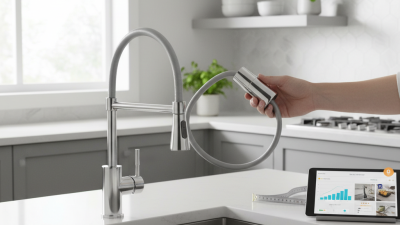
Choosing the best pull faucet starts with your kitchen’s actual needs, not a showroom appearance. Decide how you wash dishes, fill pots, and rinse vegetables. A high-arc model may suit deep sinks, but it can strike a nearby window or shelf. Measure the sink depth, faucet reach, and clearance above the counter. Small errors matter.

Check your installation limits before selecting a faucet. Count the sink or countertop holes, then confirm whether a cover plate is needed. Measure the counter thickness and cabinet space beneath it. Leave room for the water lines, mounting hardware, and pull hose to move freely. Also inspect the shutoff valves and water pressure. I once overlooked cabinet clearance, and the hose bent sharply after installation. It worked, but not well.

Tips: Sketch the faucet, sink, backsplash, and window on paper. Mark the spout’s maximum reach. Test whether the spray head can reach every basin corner. Choose a finish that tolerates frequent wiping, especially near hard-water areas. A weighted hose usually returns more smoothly, but it still needs open space below. If the plumbing looks corroded or the measurements seem uncertain, ask a licensed professional to inspect it. Some plans seem perfect until real dishes expose the weakness.
Compare Pull-Faucet Designs, Sprayer Reach, and Handle Placement

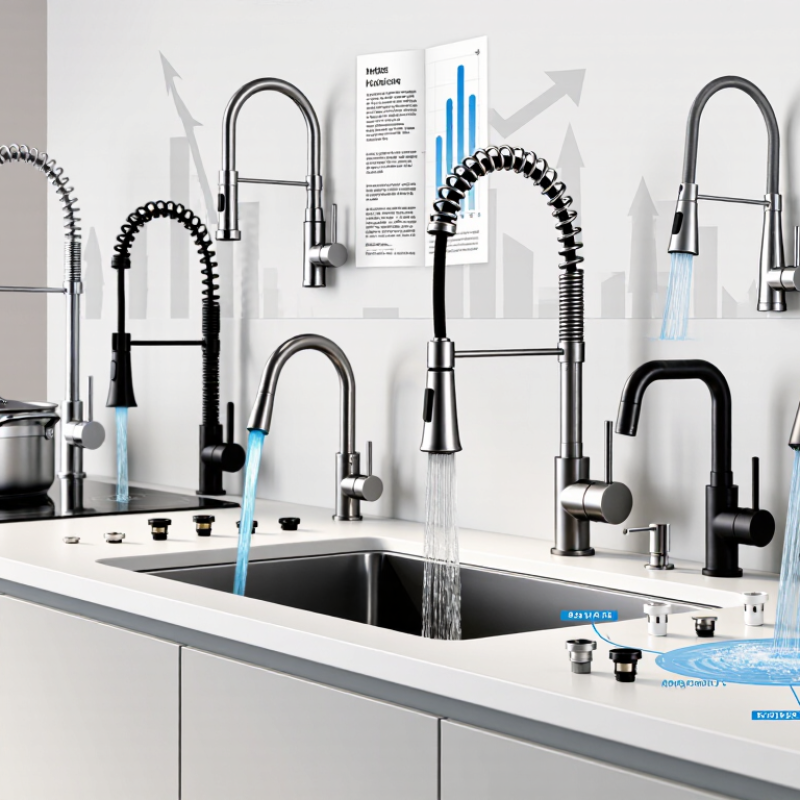
Choosing the best pull faucet starts with matching its design to your sink and daily habits. Pull-down models usually offer a high arc and a spray head that moves straight into the basin. They work well for filling tall pots and rinsing large plates. Pull-out models have a lower profile and a longer forward reach. They can feel more comfortable in compact kitchens, although the hose may not retract as smoothly.

Sprayer reach matters more than appearance. Measure from the faucet base to the farthest sink corner. Then check whether the hose reaches that area without stretching. A useful spray head should switch between a steady stream and a wider rinse pattern. Look for a secure docking system, because a loose head can droop after repeated use. Measure twice. Small sinks differ.

Handle placement affects comfort, cleaning, and installation space. A side handle may suit a wide counter, but it can collide with a wall or backsplash. A forward-facing handle needs less side clearance and may work better near a window. Test the movement with your wrist before choosing. Wet hands can make stiff controls frustrating. I once underestimated backsplash clearance, and the handle struck it during installation. The faucet worked, but the placement felt awkward every day. Also inspect the connection size, hose weight, and mounting-hole requirements before purchase. Manufacturer specifications are useful, but your sink geometry remains the final test.

Evaluate Materials, Finishes, Water Flow, and Everyday Durability

How to Choose the Best Pull Faucet for Your Kitchen in 2026?

Material affects both hygiene and service life. Look for a solid stainless steel or brass faucet body. These materials usually resist corrosion better than lightweight composite parts. A lead-free construction is essential for drinking-water safety. Check the product documentation, not just the sales description. Inside, a ceramic cartridge should provide smooth control and reduce dripping over time. In my experience, small internal parts often decide whether a faucet feels reliable after years of use.

Finish deserves practical attention. Brushed finishes can hide water spots and fingerprints better than polished surfaces. PVD coatings may offer stronger resistance to scratches, but poor cleaning habits can still damage them. Avoid abrasive powders and rough scouring pads. Wipe the spray head after removing grease or mineral deposits. It takes seconds. Yet many households forget.

Water flow should match your sink and local regulations. A flow rate around 1.5 to 2.2 gallons per minute is common, but lower rates can save water. Test whether the aerator creates a steady stream without excessive splashing. The pull hose should extend smoothly, retract fully, and resist twisting. Check the counterweight underneath the sink. That overlooked piece controls everyday handling. I would not choose a faucet based only on appearance; a beautiful finish cannot repair a weak hose or stiff cartridge. Still, no faucet is perfect, and even careful testing may miss long-term mineral buildup in hard-water homes.

Check Compatibility With Your Sink, Plumbing, and Countertop Layout

Before choosing a pull faucet, count the sink’s mounting holes and measure their spacing. A single-hole faucet may need a deck plate to cover unused holes. Check the sink manual rather than guessing. Measure the countertop thickness, too; a deep counter can leave too little threaded shank for the mounting nut.

Under the sink, confirm that the faucet’s supply lines reach the shutoff valves without stretching or kinking. Leave room for the pull-down hose and its counterweight to travel freely. A disposal, shelf, or cleaning-supply bin can block that path. The U.S. Department of Energy sets a 2.2-gallon-per-minute maximum flow rate for kitchen faucets. That limit does not guarantee strong flow at home: pressure and older supply lines also matter.

Measure twice. Then check the faucet’s installation diagram against your sink and plumbing. A paper template can help, but it may not show the awkward pipe that sits directly behind the mounting nut. I would treat that as a real risk, not a minor detail. If the existing holes are unusually wide apart or the counter is stone, confirm the required measurements with an installer before drilling or ordering.

How to Choose the Best Pull Faucet for Your Kitchen in 2026

Check your sink’s mounting-hole layout before choosing a faucet.

A single-hole faucet typically uses a mounting hole about 35 mm (1⅜ in) wide. Common multi-hole layouts include 4 in (102 mm) centerset and 8 in (203 mm) widespread spacing. Measure your sink or countertop and confirm the faucet’s required hole size, spacing, and deck-thickness range before buying; specifications vary by model.

Select the Best Pull Faucet by Budget, Maintenance, and Warranty Value

A pull faucet should fit your budget after installation, not just look affordable on the shelf. Compare the price with the parts included, such as supply lines and mounting hardware. Check whether the sprayer head, hose, and cartridge are replaceable separately. A low purchase price can become less attractive if one small failure requires replacing the whole faucet. Measure your sink and cabinet clearance, too. A long hose is useful, but it may snag on a bin or cleaning bottle underneath. Small detail. Big annoyance.

Maintenance matters in daily use. Choose a finish you can clean with a soft cloth and mild soap, and check the care instructions before buying. Hard-water deposits may build around spray openings, so removable or easy-to-clean nozzles can save effort. Test the handle and sprayer return in a showroom when possible; online descriptions cannot tell you how smoothly the hose retracts. Warranty value deserves the same scrutiny. Read what is covered, how long coverage lasts, and whether labor or shipping is excluded. A lengthy warranty sounds reassuring, but clear replacement-part support may be more useful. I would not pay extra for coverage I cannot easily understand. That judgment can be imperfect; compare the written terms with your own repair comfort and expected use.

How to Choose the Best Pull Faucet for Your Kitchen in 2026? — Select the Best Pull Faucet by Budget, Maintenance, and Warranty Value

Faucet Category Typical U.S. Price Range Common Features Maintenance Considerations Warranty Value to Check Best Fit
Entry-level pull-down $50–$150 Basic pull-down spray head, single handle, and standard metal or polymer components; finish and spray options vary. Wipe the finish with a soft cloth. Check whether the spray face can be cleaned easily and whether replacement cartridges are available. Read the coverage period for the faucet body, finish, and working parts separately. Confirm whether labor and shipping are excluded. Budget-conscious kitchens, rentals, or light-use households.
Mid-range pull-down $150–$350 Often includes a more substantial metal body, multiple spray settings, a weighted hose, and a more polished finish selection. Periodically clean the aerator and spray nozzles according to the care instructions. Keep the hose path clear beneath the sink. Look for clearly stated parts coverage and accessible service support. Check whether finish coverage has different terms from mechanical coverage. Everyday family kitchens seeking a balance of features, cost, and serviceability.
Premium pull-down $350–$800+ May offer a heavier construction, refined spray controls, improved hose handling, or finishes that require specific care. Follow the finish-specific cleaning guidance; abrasive pads and harsh cleaners can damage many faucet finishes. Replacement parts may cost more. Compare the written warranty with the purchase price: check transferability, exclusions, claim process, and availability of replacement parts. Frequent cooks or homeowners prioritizing finish options, design, and enhanced features.
Pull-out faucet $80–$400+ The spray head pulls outward toward the user; the shorter, lower-profile design can suit compact sinks and limited overhead clearance. Check that the hose retracts smoothly and does not catch on stored items under the sink. Clean the spray head as recommended. Verify coverage for the hose, docking mechanism, cartridge, and finish rather than relying on a general warranty headline. Smaller kitchens, shallow sinks, or layouts where a taller faucet is impractical.
Pull-down faucet with touch or motion controls $250–$700+ Electronic activation can reduce handle contact; models may require batteries or a power connection, depending on the design. In addition to routine cleaning, check battery access or power requirements and keep electronic connections protected from moisture. Check whether electronics, sensors, adapters, and control modules have separate coverage from the faucet body and finish. Households that value hands-free operation and are comfortable maintaining electronic components.

Buying note: Price ranges are broad, indicative U.S. retail estimates and vary by materials, features, seller, and installation requirements. Compare current listings and read the model-specific care instructions and written warranty before purchase; warranty terms differ by product and seller.