What Is the Best Door Towel Rack in 2026?
Choosing the best Door Towel Rack in 2026 depends on more than appearance. A rack must fit the door, hold damp towels securely, and leave enough room for the door to open. Small details matter. Door thickness, hook spacing, and the shape of the top brackets can affect how well a rack fits. A design that looks sturdy online may still wobble on a narrow or unusually trimmed door.
This guide compares the features worth checking before you buy, including materials, capacity, installation, and protection against scratches. It also considers where each style works best, from a compact bathroom to a busy household with several wet towels. No single rack suits every door or routine. Measurements and product specifications are useful starting points, but they cannot guarantee a perfect fit in every home. That is an easy detail to overlook.
The goal is practical guidance, not a claim that one product is right for everyone. We’ll explain what to look for, which trade-offs deserve attention, and how to match a rack to your space. Expect clear criteria and realistic limits. A little measuring before checkout can prevent a frustrating return later.
Identify Over-Door Rack Types by Bar Count, Hook Design, and Towel Capacity
What Is the Best Door Towel Rack in 2026?
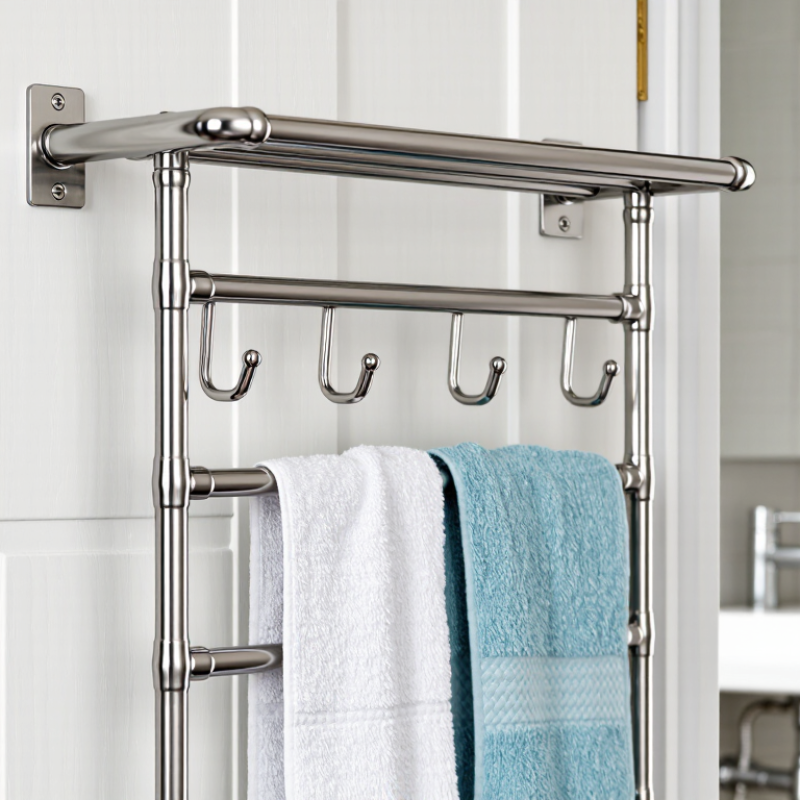
Over-door towel racks vary by bar count, hook design, and usable space. A single-bar model suits one bath towel and keeps a small bathroom looking uncluttered. Two or three bars offer more drying area, but towels can overlap if the bars sit too close together. Check the distance between bars, not just the total number. Small details matter.
Tips: Measure the door thickness and clearance above it before buying. Look for padded or smooth hooks to reduce scratches. Test whether the door still closes with the rack installed. A few millimeters can make a difference.
Hook design affects stability and ease of use. Wide, separated hooks hold damp towels more securely than narrow hooks packed together. Some racks add small side hooks for hand towels or washcloths; these help, but can catch sleeves in a narrow doorway. Capacity claims also need context: a rack listed for four towels may only fit four thin towels without crowding. Thick bath sheets need more room and airflow. If towels stay damp, extra bars may not solve the problem. Spacing and ventilation often matter more. There is no perfect rack for every door, and measuring twice is still easy to forget.
Measure Door Thickness: Common Interior Doors Are 1⅜ or 1¾ Inches Thick
A door towel rack can look simple, yet a small thickness mismatch may keep the door from closing. Many interior doors measure 1⅜ or 1¾ inches thick. Measure the door itself, not the surrounding trim. Open it and place a tape measure across the edge, from one flat face to the other. Check near the top, where the rack will hang. Small differences matter.
Compare your measurement with the rack’s stated door-thickness range before buying. A hook that is too narrow may wobble or scrape the finish; one that is too wide can shift when towels move. Also check the bracket’s depth and any protective pads. They take up space, and the door still needs to clear its frame. A snug fit is useful. A forced fit is not.
If the door is between common sizes, measure again rather than rounding up. Paint layers, older repairs, or a slightly uneven edge can change the fit. I would also test the rack without towels and close the door gently. It is an easy check to skip. Listen for rubbing, then look for marks along the top edge and frame. If the door catches, choose a different fit instead of pressing harder.
Common Interior Door Thicknesses for Door Towel Rack Fit
Common interior door thicknesses include 1⅜ inches and 1¾ inches. Measure your door before choosing a rack, and check the rack’s listed fit range and clearance requirements.
Check Door Clearance and Confirm the Rack’s Manufacturer-Rated Load Capacity
What Is the Best Door Towel Rack in 2026?
A good over-door towel rack should clear the frame, close smoothly, and hold damp towels without shifting. Measure the gap above the door, its thickness, and the space between the door and nearby wall or shower screen. Then open the door fully and check for collisions. A rack that fits a showroom door may scrape your trim at home. Small detail. Still important.
The U.S. Access Board’s 2010 ADA Standards specify a minimum 32-inch clear opening for accessible doorways. That figure is not a rack-fitting rule, but it shows why door clearance matters in tight spaces. Check your own door’s usable opening after installing the rack. For load capacity, trust the manufacturer’s stated limit and installation instructions; there is no single universal rating for all door racks. A high load rating means little if the hooks sit loosely or the door top cannot support the setup. Avoid adding more weight than the rating allows, especially with water-heavy towels.
Tips: Weigh a few wet towels if you are unsure of the load. Leave room for the door to swing. Recheck the hooks after a week; they can shift, and that is easy to miss.
Assess Fit, Materials, Capacity, and Price for Your 2026 Use Case
The best door towel rack in 2026 depends on the door, the towels, and the room around it. Measure the door’s thickness and the gap above its top edge before buying. Also check nearby trim, hooks, and handles; a rack can fit the door yet still prevent it from closing smoothly. Measure twice. For bathrooms with limited airflow, leave space between hanging towels so they dry instead of staying damp.
Material affects both durability and upkeep. Stainless steel or coated metal usually handles humid rooms better than untreated steel, while solid wood can suit dry spaces but may need more care. Inspect the finish and joints, not just the main bar. A thin coating may chip where hooks rub. Rust matters. Check the maker’s stated load limit, especially if you plan to hang several wet bath towels rather than light hand towels.
Capacity should match your household, not an optimistic guess. Count the towels you use daily and compare that number with the rack’s usable bars or hooks. A crowded rack often dries towels poorly. Price also includes installation: over-door models are often simple to fit, while screw-mounted options may feel steadier but require tools and suitable door surfaces. I would not assume the cheapest option is best; replacement hardware and a clear return policy can matter. Still, paying extra for features you will never use is an easy mistake.