



The Ultimate Guide to Glass Door Fitting Care for Lasting Performance
Consistent care for glass door components is paramount for ensuring user safety. It also significantly preserves the aesthetic appeal of these installations. Proactive maintenance effectively prevents costly repairs and avoids premature replacements. Proper attention to Glass Door Fittings directly contributes to their reliable, long-term functionality and enduring performance.
Key Takeaways
- Clean glass doors often. This keeps them looking good and working well.
- Use the right cleaners. Avoid harsh chemicals on glass and metal parts.
- Lubricate moving parts. This includes hinges and rollers. It helps doors open smoothly.
- Check seals and weatherstripping. Replace them if they are broken. This stops drafts and leaks.
- Tighten loose screws. This keeps all parts secure and safe.
- Call a professional for big problems. This includes broken glass or doors that do not close right.
- Protect doors from weather. This means sun, rain, and extreme heat or cold. This helps them last longer.
- Clean tracks and rollers often. This keeps sliding doors moving easily.
Understanding Your Glass Door Fittings
Understanding the specific components and installation of glass door systems forms the foundation for effective maintenance. Different door types utilize distinct fitting mechanisms. Proper installation significantly impacts the longevity and performance of these systems.
Types of Glass Door Systems
Glass doors come in various configurations, each with unique hardware requirements. Recognizing the type of system helps in identifying the correct maintenance procedures. Common types of glass door systems are categorized by their mechanism. These include swinging, sliding, folding, and revolving systems.
Hinged Glass Door Fittings
Hinged glass doors operate like traditional doors, pivoting on hinges attached to a frame or wall. These fittings typically include robust hinges, handles, and sometimes a locking mechanism. The hinges bear the full weight of the glass panel.
Sliding Glass Door Fittings
Sliding glass doors move horizontally along a track. Their fittings consist of rollers, tracks, and guides. These components allow the door to glide smoothly, often requiring regular cleaning and lubrication to prevent sticking.
Pivot Glass Door Fittings
Pivot glass doors rotate on a vertical axis, with pivot points at the top and bottom of the door. These systems often create a sleek, minimalist look. The pivot hardware must withstand constant rotational stress.
Bi-Fold Glass Door Fittings
Bi-fold glass doors consist of multiple panels that fold in on themselves, stacking neatly to one side. They use a combination of hinges, tracks, and rollers. This complex system requires precise alignment for smooth operation.
Installation's Role in Longevity
The initial installation of glass door systems plays a crucial role in their long-term performance and durability. A correctly installed system functions efficiently and safely for many years.
Impact of Correct Installation on Glass Door Fittings
Proper installation ensures the door hangs level, which is crucial for smooth operation. It also provides effective sealing against the elements, protecting the interior environment. Furthermore, correct installation prevents undue stress on the frame and glass, which can lead to premature wear and potential damage to the Glass Door Fittings. Professional assessment is recommended if uncertainty exists about installation quality, helping to avoid future issues.
Recognizing Signs of Poor Installation
Several indicators can point to poor installation. These include doors that do not close or latch properly, visible gaps around the frame, or excessive noise during operation. Misaligned panels, difficulty in opening or closing, and premature wear on hardware also suggest an incorrect setup. Addressing these signs early can prevent more significant problems and extend the life of the door system.
Essential Cleaning Practices for Glass Door Fittings

Regular cleaning is fundamental for maintaining the appearance and functionality of glass door systems. Proper cleaning practices extend the life of components and ensure a pristine look. This section details effective methods for cleaning glass, tracks, rollers, and hardware finishes.
Cleaning Glass Surfaces for Clarity
Clear glass panels enhance the aesthetic appeal of any space. Consistent cleaning prevents grime buildup and maintains transparency.
Recommended Glass Cleaners for Glass Door Fittings
Selecting the right cleaner is crucial for streak-free results. Commercial glass cleaners are readily available. They are specifically formulated for glass surfaces. A mixture of equal parts water and vinegar also effectively removes dirt and streaks. For stubborn stains like adhesive residue, gentle solvents such as rubbing alcohol or acetone can be used. Apply these sparingly to a cloth, not directly to the glass.
Techniques for Streak-Free Glass
Achieving streak-free glass requires specific techniques. Use a clean, lint-free microfiber cloth or a squeegee. Wipe the glass in overlapping strokes, starting from the top and working downwards. Immediately wipe away any excess cleaner from the frame or surrounding surfaces. For best results, clean glass on a cloudy day to prevent rapid drying and streaking.
Removing Stubborn Stains from Glass Panels
Stubborn stains, such as hard water spots or paint splatters, require targeted approaches. For hard water spots, a solution of white vinegar and water often works. Apply it and let it sit for a few minutes before wiping. For more persistent spots, gently scrub with a soft cloth and a baking soda paste. Always rinse thoroughly after treating stains.
Maintaining Tracks and Rollers of Glass Door Fittings
Smooth operation of sliding or bi-fold doors depends heavily on clean tracks and rollers. Debris and grime can impede movement.
Effective Debris Removal from Tracks
Tracks accumulate dust, dirt, and other debris. Regularly wipe down tracks with a damp cloth. Vacuum loose particles using a narrow attachment. This prevents buildup that can obstruct the door's movement. Inspect tracks for any obstructions that could impede the door's movement.
Cleaning Roller Wheels for Smooth Operation
Roller wheels also require attention. Clean them with a soft brush to remove accumulated grime. Inspect rollers for signs of wear or damage. Replace them if necessary. Adjust roller screws to ensure the door is level and rolls smoothly. Apply a silicone-based lubricant to rollers and tracks. Then, move the door to spread it evenly. This ensures effortless gliding.
Specialized Tools for Deep Track Cleaning
For deep cleaning, specialized tools can be beneficial. A stiff-bristled brush or an old toothbrush can reach into tight grooves. A thin, flat tool can dislodge compacted dirt. After cleaning, wipe the tracks with a non-abrasive cleaner to prevent scratching and rust.
Caring for Hardware Finishes of Glass Door Fittings
The hardware on Glass Door Fittings contributes significantly to their overall appearance. Proper care preserves their finish and prevents corrosion.
Cleaning Metal Finishes on Glass Door Fittings
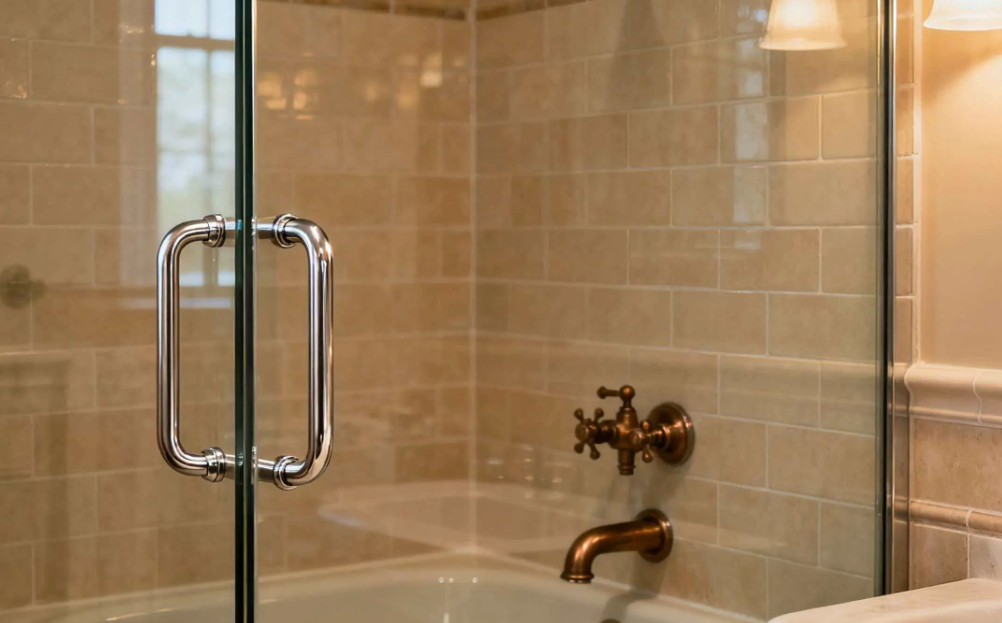
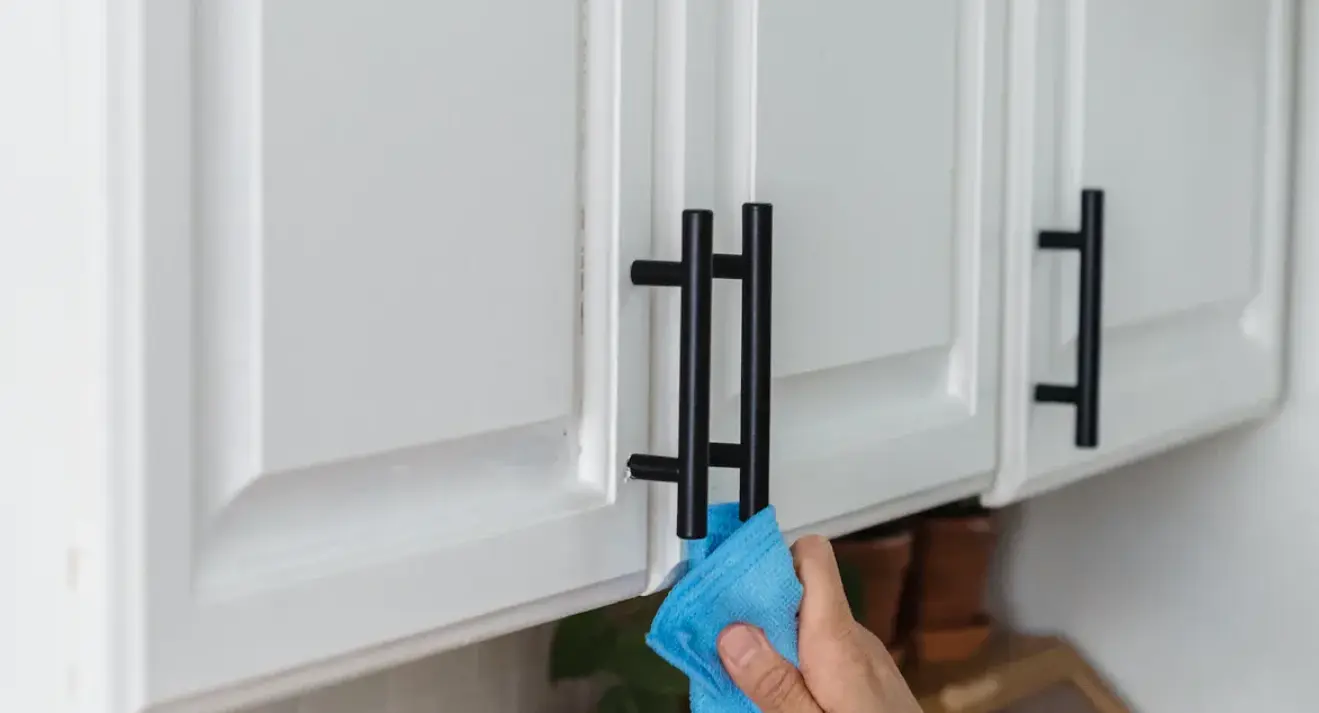
Use mild, pH-neutral soap and warm waterfor cleaning metal finishes. Avoid harsh chemicals that can damage the finish. Employ soft, lint-free cloths or microfiber towels to prevent scratches. Clean regularly, at least weekly, to prevent dirt and grime buildup. For Glass Door Handles and knobs, wipe them with a damp cloth and dry immediately to prevent water spots. Use a small amount of glass cleaner for stubborn fingerprints, but avoid spraying directly on the hardware.
Avoiding Damaging Abrasive Cleaners
Abrasive cleaners, scouring pads, or ammonia-based products can scratch or tarnish metal finishes. These products strip protective coatings and accelerate wear. Always opt for gentle cleaning solutions and soft materials. For hinges and mounting hardware, keep them dry to prevent rust and corrosion.
Polishing Techniques for Lasting Shine
After cleaning, polishing can restore luster to metal finishes. Use a polish specifically designed for the type of metal. Apply it with a soft cloth and buff gently. This technique helps maintain the hardware's original shine. Periodically check and tighten screws. Apply silicone-based lubricant for squeaky hinges.
The Art of Lubrication for Smooth Glass Door Fittings Movement
Proper lubrication is crucial for maintaining the smooth, quiet operation of glass doors. It reduces friction, prevents wear, and extends the lifespan of moving components. Regular lubrication ensures all Glass Door Fittings function efficiently.
Lubricating Hinges on Glass Door Fittings
Hinges bear significant weight and experience constant movement. Regular lubrication prevents squeaking and stiffness.
Selecting the Right Lubricant for Hinges
Choosing the correct lubricant is essential. Silicone-based sprays or white lithium grease are excellent choices for most Glass Door Hinges. They resist water and do not attract dust. Avoid oil-based lubricants, as they can collect dirt and become gummy over time. Graphite-based lubricants also work well for metal-on-metal contact points.
Proper Application Methods for Hinge Lubrication
Apply lubricant directly to the hinge pins and pivot points. Use a thin, even coat. For spray lubricants, use the attached straw to direct the spray precisely. Open and close the door several times after application. This helps distribute the lubricant evenly. Wipe away any excess to prevent drips and dust accumulation.
Recommended Frequency for Hinge Lubrication
Experts recommend lubricating hinges and pivot points every six months to a year. The exact frequency depends on the door's usage. High-traffic doors may require more frequent attention. Regular checks for stiffness or noise also indicate a need for lubrication.
Maintaining Rollers and Glides of Glass Door Fittings
Sliding and bi-fold glass doors rely on rollers and glides for effortless movement. Lubrication keeps these components performing optimally.
Lubricating Roller Bearings for Smoothness
Roller bearings benefit from a light application of silicone spray. This reduces friction and ensures smooth gliding. Spray directly onto the bearings, then move the door back and forth. This action helps the lubricant penetrate the mechanism.
Ensuring Effortless Gliding of Glass Door Fittings
Clean tracks thoroughly before lubricating rollers and glides. Debris can impede movement even with lubrication. After cleaning, apply a thin layer of silicone spray to the tracks. This creates a low-friction surface for the rollers.
Troubleshooting Sticking Rollers
Sticking rollers often indicate a need for cleaning and lubrication. First, clean the tracks and rollers thoroughly. If the problem persists, apply lubricant. If rollers still stick, inspect them for damage or wear. Worn rollers may require replacement.
Pivot Point Care for Glass Door Fittings
Pivot points allow doors to rotate smoothly. They require specific attention to prevent operational issues.
Lubricating Pivot Mechanisms
Pivot mechanisms, found on pivot doors, need regular lubrication. Apply a small amount of white lithium grease or silicone spray to the top and bottom pivot points. Ensure the lubricant reaches all moving parts within the mechanism.
InspectinG Pivot Points for Wear and Tear
Regularly inspect pivot points for signs of wear. Look for grinding noises, excessive play, or visible damage. Worn pivot points can affect door alignment and operation. Address these issues promptly to prevent further damage.
Seal the Deal: Gaskets and Weatherstripping for Glass Door Fittings
Seals and weatherstripping are critical components. They maintain the integrity of glass door systems. These elements prevent water leakage, drafts, and noise intrusion. Regular inspection and maintenance ensure their optimal performance.
Inspecting Seals and Gaskets on Glass Door Fittings
Regularly checking seals and gaskets helps identify potential problems early. This proactive approach prevents larger issues.
Checking for Cracks, Tears, and Gaps
Visually inspect all seals and gaskets around the glass panels and frame. Look for any visible cracks, tears, or gaps. These imperfections compromise the seal's effectiveness. Water can seep from door edges. This leads to puddles outside the shower. It also causes potential damage to surrounding areas.
Identifying Signs of Seal Deterioration
Several indicators point to seal deterioration. A cloudy or hazy appearance between glass panes suggests a broken seal. This haze persists regardless of external temperature or humidity. It tends to worsen over time as more moisture infiltrates. Other signs include:
- Condensation between the glass panes
- Foggy or hazy appearance on the glass
- Water stains on the window sill or frame
- Peeling or chipping paint around the window
- Drafts or cold spots near the window
- Increased outside noise entering your home
- Difficulty opening or closing the window
- Increased energy bills
| Issue | Key Signs |
|---|---|
| Foggy/Cloudy Glass | Hazy look, trapped condensation |
| Drafty Windows | Air leaks, rattling in wind |
| Water Leakage | Stains, puddles, musty smell |
Cleaning Weatherstripping for Optimal Performance
Clean weatherstripping regularly. This maintains its flexibility and sealing capabilities.
Removing Dirt, Mold, and Mildew
Use a mild soap solution and a soft cloth to clean weatherstripping. Gently wipe away dirt, mold, and mildew. Avoid harsh chemicals. They can damage the material. Rinse thoroughly with clean water.
Maintaining Weatherstripping Flexibility
After cleaning, apply a silicone-based conditioner. This helps maintain the weatherstripping's flexibility. Flexible weatherstripping forms a better seal. It resists cracking and drying out.
Replacing Damaged Seals and Weatherstripping
Prompt replacement of damaged seals and weatherstripping is essential. It maintains the door's efficiency and comfort.
When to Replace Worn Seals
Replace seals promptly if significant damage is observed. This maintains energy efficiency and comfort. Replace them if the damage is extensive. Also replace them if the seal is an integral part of the door's sealing system. Replace them if you notice cracks, gaps, or deterioration. Inspect periodically for wear and tear. Replace as needed. A good quality seal can last 3 to 5 years or longer with proper maintenance.
DIY Tips for Seal Replacement
For minor replacements, carefully remove the old seal. Clean the area thoroughly. Cut the new seal to the correct length. Press it firmly into place. Ensure a snug fit.
When to Seek Professional Seal Replacement
Seek professional help for complex seal replacements. This includes integrated seals within the door frame. Professionals ensure proper installation. They prevent future issues.
Monitoring Hardware Health of Glass Door Fittings
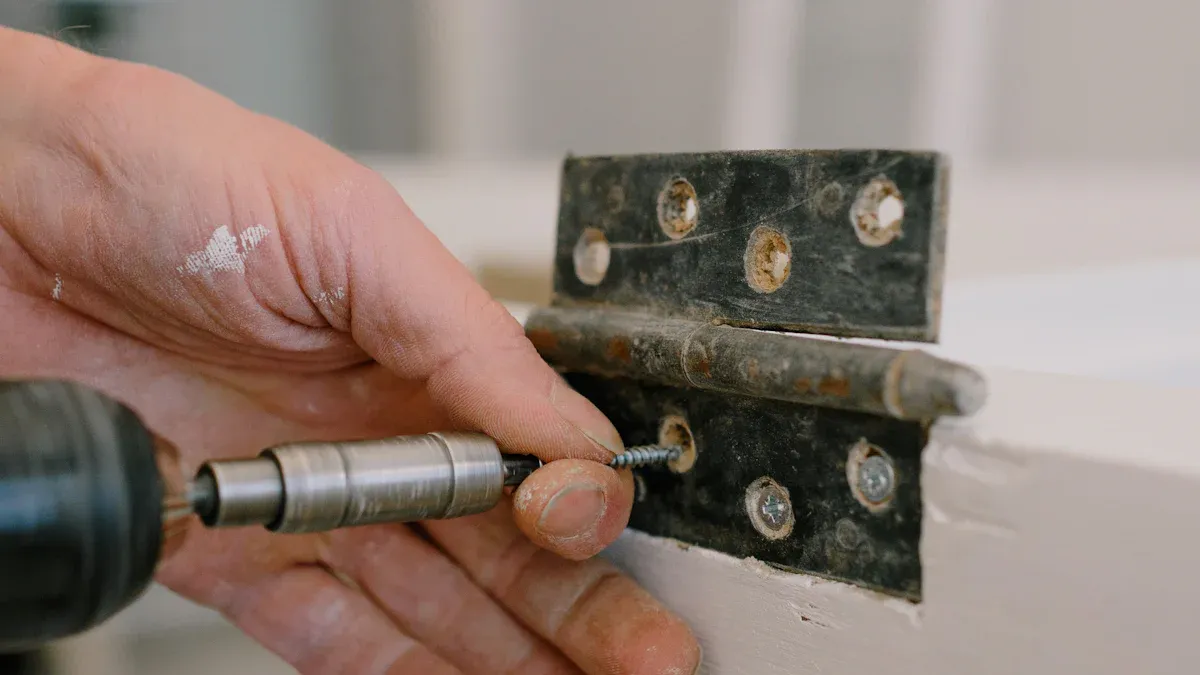
Regularly inspecting and maintaining the hardware on glass doors ensures their safety, functionality, and aesthetic appeal. This proactive approach prevents minor issues from escalating into costly repairs. It also extends the lifespan of the entire door system.
Inspecting Locks and Latches on Glass Door Fittings
Locks and latches provide security and proper closure. Their consistent operation is vital for any glass door.
Checking for Loose Screws and Fasteners
Users should routinely examine all visible screws and fasteners on locks and latches. Loose components can compromise security and lead to misalignment. Tighten any loose screws with an appropriate screwdriver. Avoid over-tightening, which can strip the threads.
Ensuring Smooth Lock Operation
A lock should engage and disengage smoothly without excessive force. Test the lock mechanism regularly. Turn the key or handle to ensure the bolt extends and retracts fully. Any stiffness or grinding indicates a potential issue.
Lubricating Lock Mechanisms for Longevity
Apply a small amount of graphite powder or a silicone-based lubricant to the lock's keyway and latch mechanism. This reduces friction and prevents wear. Avoid oil-based lubricants, as they can attract dust and debris. Lubrication helps maintain smooth operation and extends the lock's life.
Maintaining Handles and Pulls on Glass Door Fittings
Handles and pulls are the primary points of interaction with a glass door. Their condition affects both usability and appearance.
Tightening Loose Handles and Pulls
Handles and pulls can become loose over time due to frequent use. Locate the set screws or mounting screws that secure them. Tighten these screws firmly but gently. A loose handle can feel unstable and may eventually detach.
Cleaning Handle Surfaces Effectively
Clean handle surfaces regularly to remove dirt, grime, and fingerprints. Use a mild, non-abrasive cleaner suitable for the handle's material. A soft cloth prevents scratches. Consistent cleaning maintains the handle's finish and hygiene.
Addressing Wobbly Handles and Pulls
A wobbly handle often indicates loose internal components or worn mounting hardware. Tightening external screws may resolve the issue. If wobbling persists, the internal mechanism might require adjustment or replacement. Professional assistance may be necessary for complex internal repairs.
Fastener and Screw Checks for Glass Door Fittings
Fasteners and screws hold the entire door system together. Their integrity is paramount for safety and stability.
Routine Tightening of All Fasteners
All fasteners and screws on the door system require periodic checks. The frequency depends on usage and environmental factors. Building owners, insurance companies, and maintenance services often recommend specific schedules. This includes checking hinges, locksets, strike plates, closing devices, and glass lights for loose attaching screws. Professional maintenance typically involves annual or bi-annual checks. Users should regularly inspect fittings for loose screws or bolts, tightening them as needed without over-tightening.
Identifying and Addressing Stripped Screws
A stripped screw no longer grips its hole. It spins freely without tightening. Identify stripped screws by attempting to tighten them. If a screw is stripped, remove it. Replace it with a slightly larger screw or use a screw anchor to create a new, secure hold.
Preventing Corrosion on Fasteners
Corrosion can weaken fasteners and compromise the door's structure. Keep fasteners dry and clean. Apply a thin layer of clear protective coating or rust-inhibiting spray to metal fasteners, especially in humid environments. This helps prevent rust and maintains their strength.
When to Call the Pros for Your Glass Door Fittings
Homeowners often handle minor adjustments and cleaning for glass doors. However, certain issues demand professional expertise. Recognizing these critical signs prevents further damage and ensures safety.
Recognizing Major Issues Beyond DIY Repair
Some problems with glass doors extend beyond simple fixes. These situations require the specialized knowledge and tools of a professional technician.
Severe Misalignment of Glass Door Fittings
A door that does not close or latch properly often indicates severe misalignment. If the door is hard to open, close, or frequently gets stuck, it suggests misaligned hinges or a warped frame. This issue affects both functionality and security. Misalignment can also lead to drafts and temperature imbalances, indicating a failure in the door's insulating properties.
Damaged Glass Panels Requiring Professional Attention
Visible damage to glass panels always warrants professional intervention. Even minor imperfections like visible cracks or chips can escalate and compromise structural integrity. Deep scratches or cracks in the glass pose significant safety risks. A foggy appearance between panes suggests a failed seal in double or triple-pane doors, which affects insulation and cannot be fixed by cleaning.
Persistent Operational Problems with Glass Door Fittings
Ongoing operational difficulties signal deeper issues. If the door sticks or jams, requiring excessive force to open or close, problems with rollers, tracks, or frame alignment likely exist. Unusual noises, such as creaking, squeaking, or grinding sounds, indicate friction, lack of lubrication, or worn parts. Ignoring these sounds can lead to more severe damage. Any leakage around the door frame or along the seams, leading to persistent wetness, also requires professional assessment.
Benefits of Professional Repair Services
Hiring professionals offers distinct advantages over attempting complex repairs oneself. Their expertise ensures a lasting solution.
When DIY Solutions Are Insufficient
DIY solutions often fall short for significant problems. Homeowners typically lack the specialized tools, materials, and experience required for complex repairs. Attempting to fix severe issues without proper knowledge can worsen the problem or create new safety hazards.
The Value of Expert Intervention for Glass Door Fittings
Professional glass technicians offer significant value. They have access to superior-grade materials and established relationships with manufacturers, ensuring high-quality parts. Professionals provide customized service, considering all factors influencing a project. They can cut glass to specific dimensions for unique designs. Their seamless installation prevents future issues like air leaks or water ingress.
How to Find a Reputable Technician
Finding a reputable technician involves checking credentials, reading reviews, and asking for references. Look for companies specializing in glass door repair. Ensure they offer guarantees on their workmanship. This provides peace of mind and ensures any issues arising from their work will be rectified.
Preventative Professional Maintenance for Glass Door Fittings
Proactive professional maintenance extends the life of glass doors and prevents unexpected breakdowns.
Scheduling Regular Professional Inspections
Regular professional inspections identify potential problems before they become severe. Technicians can spot wear and tear, assess alignment, and check the integrity of seals and hardware. This proactive approach saves money on costly emergency repairs.
Long-Term Care Plans for Optimal Performance
Many professional services offer long-term care plans. These plans include scheduled maintenance visits, ensuring consistent optimal performance. Such plans help maintain the door's efficiency, safety, and aesthetic appeal for many years.
Protecting Glass Door Fittings Against the Elements
Environmental factors significantly impact the longevity and performance of glass door systems. Implementing effective protection strategies safeguards these components from wear and tear. This proactive approach ensures lasting functionality and appearance.
Weather Protection Strategies for Glass Door Fittings
Weather elements like sun, rain, and extreme temperatures can degrade door components. Strategic protection minimizes this damage.
Shielding from Direct Sunlight and UV Damage
Direct sunlight and UV rays can cause materials to fade and become brittle. Applying UV-protective films to glass panels helps mitigate this. These films block harmful rays, preserving material integrity. Regular inspection of weatherstripping is crucial. It prevents gaps that allow drafts and UV penetration. Inspect weatherstripping annually for wear like cracks or tears. Replace it promptly. Adhesive-backed V-strip can be effective for sealing.
Protecting from Rain, Moisture, and Humidity
Moisture leads to corrosion and material degradation. Proper sealing and drainage are essential. Clean door tracks and rollers regularly. This prevents debris buildup that hinders smooth operation and energy efficiency. Use a vacuum, damp cloth, and silicone-based lubricant for this task. Install draft stoppers at the bottom of doors. Attach door sweeps to the bottom edge. These are affordable solutions to block cold air. Double-sided glazing tape provides a more secure seal.
Mitigating the Impact of Extreme Temperatures
Extreme heat and cold cause materials to expand and contract, leading to stress. Explore double-glazed inserts. They add a second layer of glass, creating an air gap. This improves insulation and maintains indoor temperature. Install a storm door. It acts as an extra barrier against elements, providing additional insulation and weather protection. A vinyl storm door sweep enhances efficiency. Use fiberglass or spray foam insulation. This effectively seals gaps around the door. Keep fiberglass fluffy. Use spray foam designed for doors to avoid excessive expansion. Apply it carefully to prevent frame bending.
Coastal Environment Considerations for Glass Door Fittings
Coastal areas present unique challenges due to salt, humidity, and strong winds. Specialized care is necessary.
Combating Salt Corrosion on Hardware
Salt in the air accelerates corrosion on metal hardware. Prioritize corrosion-resistant materials for hardware and frames. Stainless steel works well for hinges, locks, and handles. Marine-grade or anodized aluminum suits frames. Vinyl and fiberglass offer durability and low maintenance. Combat corrosion by regularly wiping down metal components. Apply anti-corrosion spray. Upgrade to corrosion-resistant materials like stainless steel or aluminum components for hardware.
Specialized Cleaning Products for Coastal Areas
Specific products help manage salt buildup. Apply a protective glass coating. This reduces salt buildup and simplifies cleaning. Regularly inspect and reapply sealants. They wear down due to sun and humidity.
Increased Maintenance Frequency in Coastal Regions
Coastal environments demand more frequent maintenance. Inspect and replace weather stripping with weather-resistant materials as needed. This prevents drafts and moisture. Consider adding a storm door or screen. It provides an extra layer of protection against harsh elements. For glass doors, use laminated impact glass. It consists of two sheets of glass with a plastic layer in between. This prevents shattering. Ensure strong frames, such as welded steel or treated hardwood. Use multi-point locking hardware for enhanced security and stability against high winds.
Dust and Debris Management for Glass Door Fittings
Dust and debris can accumulate, affecting appearance and function. Regular cleaning prevents this.
Implementing Regular Dusting Routines
Regularly dust around the edges and frames of the glass door. This prevents dust and dirt accumulation. Use a soft brush or feather duster to remove dust particles before they settle and harden. Perform a monthly deep clean on glass doors for a lasting shine. Use a glass-safe polish to enhance shine and provide a protective coat against grime. Pay special attention to corners and edges. Grime can accumulate there. Use cotton swabs or an old toothbrush to clean these hard-to-reach areas. They often trap dust and dirt, leading to long-term buildup if not cleaned regularly. Dust the outside of the frame using a duster or compressed air. Then, wipe it down with a mild mixture of warm water and soap. Avoid harsh detergents. For wood frames, periodically refinish with the original wood oil, varnish, or lacquer. Remove particulate matter from the track using compressed air or a vacuum. If rust is present, use a brass brush to loosen it. Then, vacuum it up. A clean track ensures smooth door operation and prevents damage to rollers.
The Role of Air Filtration in Protecting Fittings
Indoor air filtration systems reduce airborne dust and particles. This minimizes the amount of debris settling on door components. Clean air helps maintain the cleanliness and functionality of the door system.
Consistent care for glass door fittings offers significant long-term value. It ensures both safety and aesthetic appeal. Regular maintenance practices, including proper cleaning, lubrication, and hardware checks, are crucial for lasting performance. These steps prevent costly repairs and extend the lifespan of the entire system. Proactive and routine upkeep guarantees optimal functionality, enhancing the overall user experience and preserving the door's pristine appearance.
FAQ
How often should one clean glass door fittings?
Regular cleaning is essential. Clean glass surfaces weekly. Wipe down tracks and rollers monthly. Clean hardware finishes as needed to maintain their appearance and prevent buildup.
What type of lubricant is best for glass door hinges?
Silicone-based sprays or white lithium grease are ideal for hinges. They resist water and do not attract dust. Avoid oil-based lubricants, as they can collect dirt over time.
How does one know if glass door seals need replacement?
Look for cracks, tears, or gaps in the seals. Condensation between glass panes or persistent drafts also indicate deterioration. Replace worn seals promptly to maintain efficiency.
What are common signs of poor glass door installation?
Signs include doors that do not close properly, visible gaps around the frame, or excessive noise during operation. Misaligned panels or difficulty in movement also suggest poor installation.
Can one use abrasive cleaners on glass door hardware?
No, avoid abrasive cleaners. They can scratch or tarnish metal finishes. Use mild, pH-neutral soap and warm water with a soft, lint-free cloth for cleaning hardware surfaces.
When should one call a professional for glass door issues?
Call a professional for severe misalignment, damaged glass panels, or persistent operational problems. These issues often require specialized tools and expertise for proper resolution.
How can one protect glass door fittings in coastal environments?
Regularly wipe down metal components to combat salt corrosion. Apply anti-corrosion spray. Consider upgrading to corrosion-resistant materials like stainless steel hardware for enhanced durability.
What is the purpose of weatherstripping on glass doors?
Weatherstripping prevents water leakage, drafts, and noise intrusion. It maintains the door's energy efficiency and overall integrity, contributing to a comfortable indoor environment.