


Choosing Bathroom Hardware The Ultimate Material Showdown
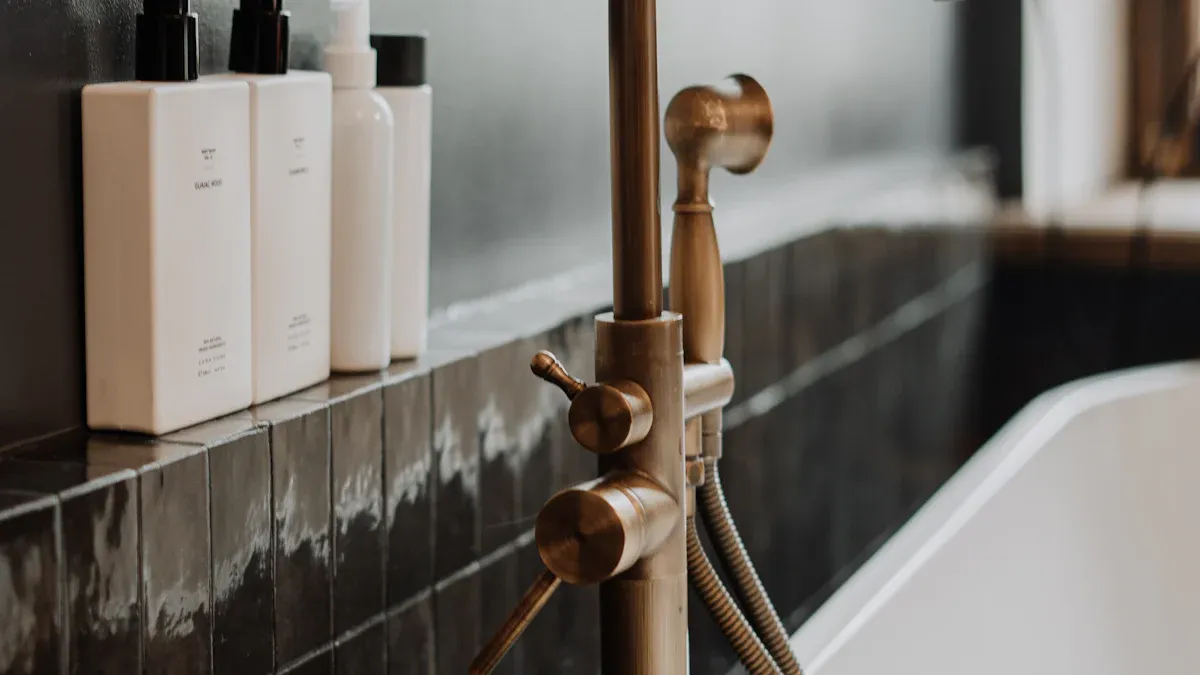
Material and finish choices significantly impact Bathroom Hardware durability. High-quality materials ensure longevity, with some options lastingalmost a lifetime, unlike lower-quality alternatives which may only endure around ten years. These selections also shape the aesthetic of Bathroom Accessories, defining the overall style. Different materials demand varying maintenance routines. Furthermore, cost implications vary widely, reflecting both initial investment and long-term value.
Key Takeaways
- Good Bathroom Hardware lasts a long time. Choose strong materials for durability.
- Brass is a classic choice. It is strong and looks good in many styles.
- Stainless steel is modern and strong. It does not rust easily.
- Zinc Alloy is cheaper. It works for less used bathrooms but breaks down faster.
- Chrome and nickel finishes are popular. They are easy to clean and look nice.
- Black and gold finishes add style. They can make your bathroom look fancy.
- Internal parts like valves are important. They stop leaks and make faucets work well.
- Clean your hardware gently. Avoid harsh cleaners to keep it looking new.
Essential Materials for Durable Bathroom Hardware
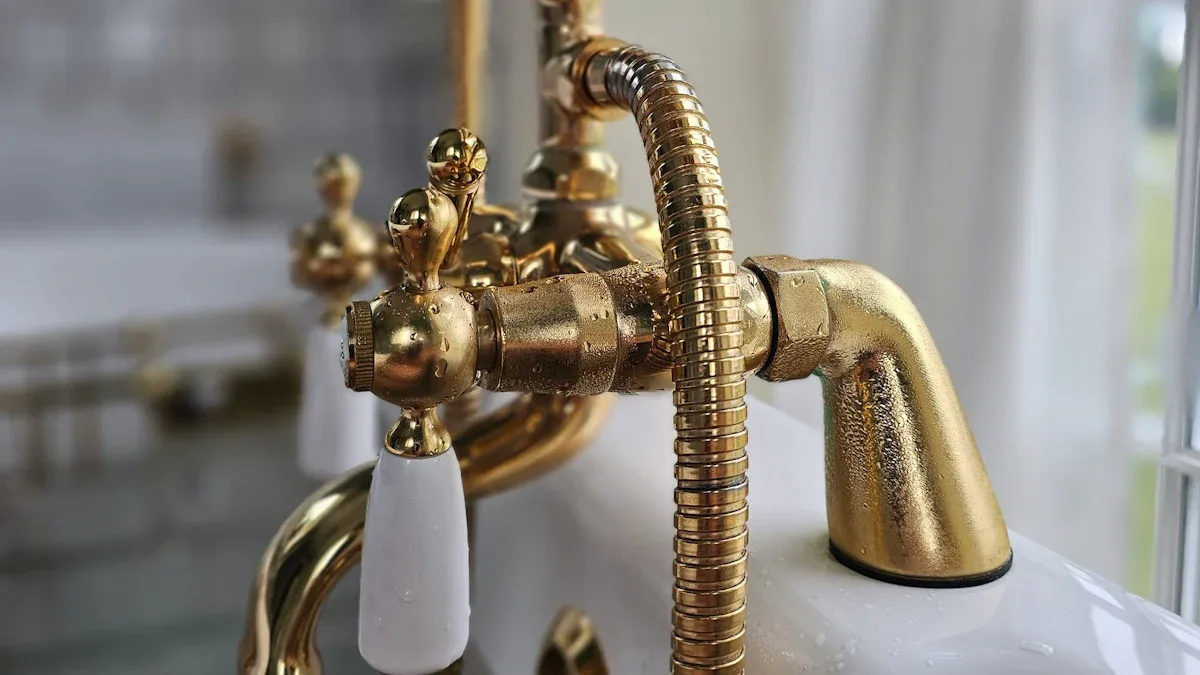
Selecting the right materialfor Bathroom Hardware significantly impacts its longevity and appearance. Different materials offer distinct advantages in terms of strength, corrosion resistance, and aesthetic appeal. Understanding these characteristics helps consumers make informed decisions for their homes.
Brass Bathroom Hardware: A Classic Choice
Brass has long been a favored material for Bathroom Hardware due to its inherent qualities. It offers a blend of durability and timeless elegance.
Solid Brass Durability for Bathroom Hardware
Solid brass provides exceptional strength and resilience. It resists bending and breaking, making it a reliable choice for frequently used items. Brass also withstands the humid conditions of a bathroom environment effectively.
| Material | Tensile Strength | Corrosion Resistance |
|---|---|---|
| Brass | 30,000 to 60,000 psi | Good, but susceptible to dezincification in certain environments. |
| Stainless Steel | 70,000 to 150,000 psi | Excellent, especially in marine and harsh chemical environments. |
This table illustrates brass's substantial tensile strength, indicating its robust nature. While it offers good corrosion resistance, specific environmental factors can affect it.
Aesthetic Versatility of Brass Bathroom Hardware
Brass offers remarkable aesthetic versatility. Its warm, golden tones complement both traditional and contemporary designs. Manufacturers can polish brass to a high shine, brush it for a matte look, or treat it to achieve an antique finish. This adaptability allows brass hardware to integrate seamlessly into various bathroom styles.
Maintenance and Patina of Brass Bathroom Hardware
Maintaining brass hardware depends on its finish. Polished brass requires regular cleaning to prevent tarnishing and maintain its luster. Unlacquered brass develops a natural patina over time, a darkened layer that many find appealing. This patina protects the metal and adds character. Some homeowners prefer this aged look, while others choose to polish it away.
Cost Considerations for Brass Bathroom Hardware
Brass hardware typically represents a higher initial investment compared to other common materials. Its superior durability, aesthetic appeal, and long lifespan often justify this cost. Consumers view brass as a premium material, reflecting its quality and enduring value.
Stainless Steel Bathroom Hardware: Modern Strength
Stainless steel offers a contemporary alternative, known for its strength and sleek appearance. It provides a modern solution for bathroom fixtures.
Corrosion Resistance of Stainless Steel Bathroom Hardware
Stainless steel excels in corrosion resistance, making it ideal for humid bathroom environments. Its composition prevents rust and degradation, ensuring a long-lasting finish. The table above shows stainless steel's excellent corrosion resistance, particularly in harsh conditions.
Specific grades of stainless steel offer enhanced protection:
- Type 304 Stainless Steel: This grade is common for indoor stainless steel sinks. It contains 18% chromium and 8% nickel, providing good corrosion resistance, durability, and ease of cleaning.
- Type 316 Stainless Steel: This variant offers superior corrosion resistance, especially in high-saline or harsh chemical environments. It includes 2-3% molybdenum, which enhances its resilience against chloride corrosion. Type 316 contains 16-18% chromium and 10-14% nickel, making it a preferred choice for demanding applications.
Contemporary Appeal of Stainless Steel Bathroom Hardware
Stainless steel's clean lines and metallic sheen contribute to a modern and minimalist aesthetic. It pairs well with various color schemes and materials, offering a sophisticated look. Its neutral tone allows it to blend effortlessly or stand out as a focal point.
Low Maintenance Benefits of Stainless Steel Bathroom Hardware
Stainless steel requires minimal maintenance. A simple wipe-down with a soft cloth and mild cleaner usually suffices to keep it looking new. Its non-porous surface resists stains and fingerprints, contributing to its low-maintenance appeal. This ease of care makes it a practical choice for busy households.
Price Point of Stainless Steel Bathroom Hardware
Stainless steel generally falls into the mid-to-high price range. Its cost reflects its durability, corrosion resistance, and modern aesthetic. While more expensive than some budget options, it offers excellent value due to its longevity and low maintenance requirements.
Zinc Alloy Bathroom Hardware: The Budget-Friendly Option
Zinc alloy provides an economical choice for Bathroom Hardware. Manufacturers often use it for its cost-effectiveness and ease of production.
Zinc's Manufacturing Advantages for Bathroom Hardware
Zinc Alloy offers significant manufacturing advantages. Its low melting point allows for easy casting into intricate shapes, reducing production costs. This characteristic makes it a popular material for mass-produced items. Manufacturers can create diverse designs efficiently using Zinc Alloy.
Appearance and Finish Adherence of Zinc Bathroom Hardware
Zinc Alloy readily accepts various finishes, including chrome, nickel, and bronze. This allows it to mimic the appearance of more expensive materials. The finish adheres well to the zinc surface, providing a wide range of aesthetic options at a lower price point.
Durability Limitations of Zinc Bathroom Hardware
Zinc Alloy presents several durability limitations. It is highly susceptible to corrosion and pitting, which compromises its appearance and structural integrity over time. It also possesses less strength than brass or stainless steel, making it unsuitable for high-traffic fixtures.
- Zinc alloy is prone to 'white rust' in salty or coastal areas unless electroplated.
- It may develop micro-cracks near screw holes under heavy stress.
- Zinc alloy has less impact resistance compared to stainless steel.
- The lifespan of zinc alloy is typically 10–15 years with proper maintenance, significantly shorter than stainless steel's 20–30+ years.
Solid brass and stainless steel offer superior durability and longevity. They provide exceptional resistance to corrosion and withstand wear and tear effectively. Zinc alloy and plastic hardware lack the durability of these premium materials. They are prone to corrosion, breakage, and rapid aging in high-moisture, high-traffic settings.
Cost-Effectiveness of Zinc Bathroom Hardware
Zinc alloy is a highly cost-effective material. Its lower production cost translates into more affordable products for consumers. This makes it an attractive option for those on a tighter budget or for areas with less frequent use. While it may not offer the same longevity as brass or stainless steel, its initial low price point is a significant advantage.
Aluminum Bathroom Hardware: Lightweight and Rust-Proof
Aluminum offers a compelling choice for bathroom hardware, balancing lightness with robust performance. Its inherent properties make it a practical and aesthetically pleasing option for many modern bathrooms.
Aluminum's Corrosion Resistance for Bathroom Hardware
Aluminum naturally forms a thin, protective oxide layer on its surface. This layer effectively prevents rust and corrosion, making aluminum highly suitable for the humid conditions prevalent in bathrooms. This self-protecting characteristic ensures the hardware maintains its integrity and appearance over time, even with constant exposure to moisture.
Modern Design Integration with Aluminum Bathroom Hardware
Designers frequently choose aluminum for its ability to create sleek, contemporary forms. Its lightweight nature allows for innovative shapes and profiles, contributing to a minimalist or industrial aesthetic. Manufacturers can easily extrude aluminum into various designs, and it readily accepts finishes like anodizing or brushing, which enhance its modern appeal. Aluminum hardware integrates seamlessly into diverse design schemes, from ultra-modern to subtly industrial.
Strength and Dent Resistance of Aluminum Bathroom Hardware
Despite its light weight, aluminum alloys possess considerable strength. They resist bending and denting under normal use, offering a durable solution for everyday bathroom fixtures. While not as dense as brass or stainless steel, aluminum provides sufficient structural integrity for most hardware applications, ensuring longevity without excessive bulk.
Affordability of Aluminum Bathroom Hardware
Aluminum hardware generally presents a more affordable option compared to premium materials like brass or high-grade stainless steel. Its lower material cost and ease of manufacturing contribute to its competitive price point. This makes aluminum an attractive choice for consumers seeking a balance between quality, modern aesthetics, and budget-friendliness.
Plastic and Acrylic Bathroom Hardware: Functional and Economical
Plastic and acrylic materials provide functional and highly economical solutions for bathroom hardware. They offer unique advantages, particularly in terms of water resistance and design flexibility.
Water Resistance of Plastic Bathroom Hardware
Plastic and acrylic materials are inherently water-resistant. They do not rust, corrode, or degrade when exposed to moisture, making them ideal for wet bathroom environments. This property ensures the hardware maintains its appearance and function without succumbing to water damage.
ABS Plastic Sheet exhibits a temperature range of -40°F to 180°F and outstanding corrosion and chemical resistance. Polypropylene (PP) resists organic solvents, degreasing agents, and electrolytic attacks, showing excellent chemical and corrosion resistance.
These properties highlight the materials' resilience in challenging conditions.
Design Flexibility of Plastic Bathroom Hardware
Manufacturers can mold plastics and acrylics into virtually any shape, size, or color. This offers unparalleled design flexibility, allowing for intricate details and a wide array of aesthetic options. From transparent acrylic towel bars to brightly colored plastic hooks, these materials enable creative and customized bathroom designs.
Durability and Longevity of Plastic Bathroom Hardware
The durability of plastic bathroom hardware varies significantly depending on the specific polymer used. Engineering plastics offer enhanced performance.
| Polymer | Common Use in Bathroom Hardware | Specific Properties |
|---|---|---|
| ABS engineering plastic | Faucet levers, outer bodies, covers, handles, shower heads, chrome-plated bathroom fixtures | Strong and durable, good resistance to high and low temperatures and chemicals, does not heat up like metal, can be chrome-plated, easy to process. |
| PSU/PPSU engineering plastic | Thermostatic cartridges, lever interfaces, bearings, precision gears | Excellent chemical properties, suitable for high-performance applications, physiological inert, extremely durable in high temperatures, safe for contact with food. |
| POM engineering plastic (Acetal/Polyacetal) | Components with water contact (e.g., spout's interior), parts requiring stiffness, low friction, high dimensional stability | Stiffness, low friction, high dimensional stability, solvent and fuel-resistant, particularly durable for water contact. |
| Composite material (e.g., reinforced plastics, ABS composite) | Covers, spouts, bodies, levers, battery cases | Combines two or more materials, strong, durable, light, can be molded onto various components (plastic-plastic, plastic-metal, plastic-rubber). |
ABS (Acrylonitrile Butadiene Styrene) is a widely used thermoplastic, combining rigidity, toughness, and processability. It is friendly to molders due to its relatively low processing temperature (200°C-250°C), leading to faster cycle times and reduced tooling wear. ABS has low moisture absorption and accepts painting, laser engraving, and electroplating, with chrome-plated ABS commonly found in bathroom fixtures. However, it performs poorly in UV-intensive environments unless UV-stabilized grades are used. POM (Polyoxymethylene), also known as Acetal, is a semi-crystalline engineering thermoplastic with a waxy texture and low friction coefficient, excelling in applications involving sliding, snapping, or rotational motion. Homopolymer grades offer higher tensile strength and hardness, while copolymers provide better thermal resistance and reduced porosity. POM requires dry resin and precise temperature control during molding, as overheating can release formaldehyde gas. A limitation of POM is its poor UV and flame resistance, unless flame-retardant grades are utilized.
Plastic hardware typically has a maximum service temperature of 80 degrees C and a maximum softening temperature of 110 degrees C. It resists degradation best with gentle cleaning; avoid abrasives. While generally durable for their cost, these materials may not offer the same long-term resilience as metals in high-stress applications.
Lowest Cost Options for Plastic Bathroom Hardware
Plastic and acrylic hardware represent the most budget-friendly options available. Their low material cost and efficient manufacturing processes make them highly accessible. This affordability allows consumers to update their bathrooms frequently or equip multiple spaces without significant financial outlay.
Niche Materials for Unique Bathroom Hardware
Beyond the common choices, several niche materials offer distinct aesthetic and functional properties, providing unique character to bathroom designs.
Bronze Bathroom Hardware for Rustic Charm
Bronze hardware brings a warm, inviting hue to the bathroom, adding character and depth. It develops a unique patina over time, creating a dynamic and evolving aesthetic. This versatility allows bronze to integrate seamlessly into various design schemes, from rustic to modern, complementing natural materials and a wide range of colors. Known for its strength and resistance to corrosion, bronze is an excellent choice for bathroom fixtures exposed to daily moisture, ensuring longevity. Bronze is less prone to showing water spots or fingerprints compared to other finishes, simplifying cleaning and upkeep. It naturally helps reduce bacteria spread, offering an added layer of hygiene in frequently touched areas. Unlike some materials that degrade, bronze ages beautifully, developing a patina that enhances its character and vintage charm over time. Matte finishes, such as oil-rubbed bronze, are more forgiving in hiding dust and smudges compared to polished options.
Copper Bathroom Hardware's Unique Properties
Copper develops a warm, evolving patina over time, adding unique character to a bathroom and ensuring no two installations are identical. It is versatile, adapting well to various design styles from traditional to industrial. Its natural antimicrobial qualities make it suitable for high-touch areas, helping to reduce bacteria on surfaces. Copper is remarkably durable, resisting corrosion and dents, which ensures a long lifespan with minimal maintenance.
Glass and Ceramic Accents in Bathroom Hardware
Glass and ceramic elements often serve as elegant accents in bathroom hardware, providing touches of sophistication and unique texture. Glass offers transparency and a reflective quality, while ceramic can introduce intricate patterns or smooth, matte finishes. Installation of bronze glass panels requires professional handling, adequate support structures, and proper sealing to prevent water and air infiltration, ensuring longevity and performance. Maintenance involves regular cleaning with mild, non-abrasive cleaners and periodic inspections to identify and address issues like chips, cracks, or sealant degradation. Bronze glass panels offer durability and resistance to weathering, contributing to a long lifespan and reducing the need for frequent replacements. They are recyclable at the end of their lifecycle, minimizing environmental impact. These materials are typically used for decorative knobs, soap dishes, or integrated into larger fixtures, adding visual interest and a bespoke feel.
Decoding Bathroom Hardware Finishes for Style and Longevity
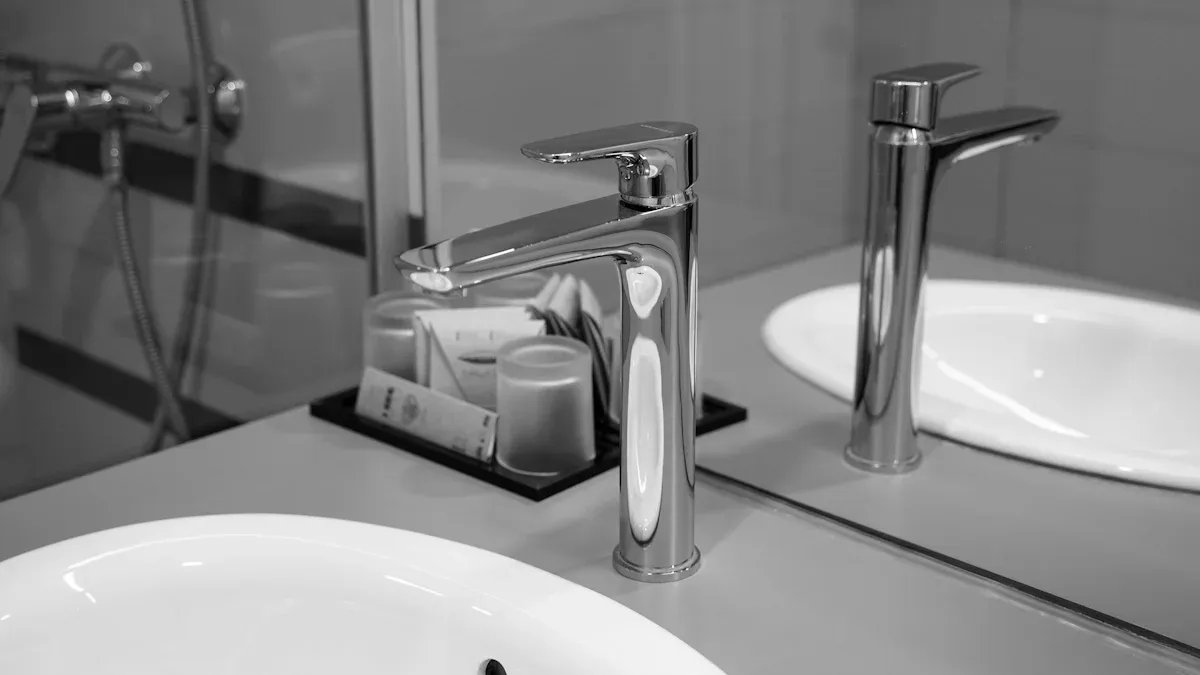
The finish applied to bathroom hardware significantly influences its appearance and how long it lasts. A finish protects the underlying material and defines the fixture's aesthetic. Understanding these finishes helps consumers select options that match their style and withstand daily use.
Chrome Bathroom Hardware: The Ubiquitous Choice
Chrome remains a popular choice for bathroom hardware. Its bright, reflective surface offers a clean and modern look.
Polished Chrome's Shine for Bathroom Hardware
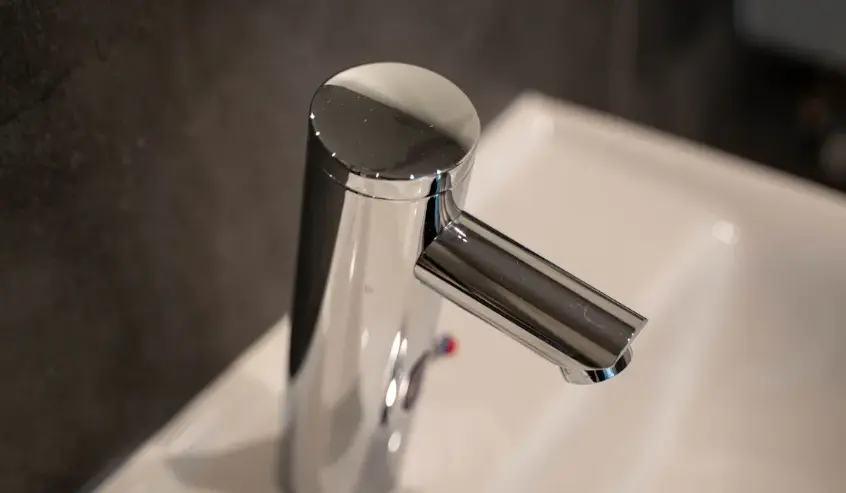
Polished chrome provides a highly reflective, mirror-like surface. This finish brightens a bathroom space and complements various design styles. Its sleek appearance makes it a versatile option for many homeowners.
Brushed Chrome's Subtlety for Bathroom Hardware
Brushed chrome offers a more subdued, matte appearance compared to polished chrome. It features fine lines that diffuse light, creating a softer look. This finish effectively hides fingerprints and water spots, making it a practical choice for busy bathrooms.
Durability and Cleaning Chrome Bathroom Hardware
Chrome finishes are generally durable and resistant to corrosion. Manufacturers apply chrome plating in thin layers over a base metal, often brass or steel. This process ensures a hard, protective surface.
- Thickness: For decorative applications, which include bathroom hardware, the chrome plating thickness typically ranges from 0.5 to 2 micrometers (µm).
- Adhesion: Optimal adhesion and corrosion resistance are achieved through thorough surface preparation. This includes cleaning, degreasing, polishing, buffing, and the application of copper and/or nickel underlayers.
- Industry Standards: Quality and durability are ensured by adhering to standards such as ISO 1456 and ASTM B456 for process certification. ASTM B117 tests corrosion resistance, with quality finishes achieving over 1000 hours in salt spray tests.
Cleaning chrome hardware is straightforward. A soft cloth and mild soap usually suffice to maintain its luster. Avoid abrasive cleaners, as they can scratch the surface and compromise the finish.
Cost of Chrome Bathroom Hardware Finishes
Chrome finishes are typically affordable. Their widespread availability and efficient manufacturing processes contribute to their cost-effectiveness. This makes chrome an accessible option for many budget ranges.
Nickel Bathroom Hardware: Warmth and Sophistication
Nickel finishes offer a warmer alternative to chrome. They provide a sophisticated look that blends well with both traditional and contemporary designs.
Brushed Nickel's Popularity for Bathroom Hardware
Brushed nickel is a highly popular finish. It features a soft, matte appearance with subtle brush marks. This finish resists fingerprints and water spots, making it easy to maintain. Its muted tone creates a calming and elegant atmosphere in the bathroom.
Polished Nickel's Elegance for Bathroom Hardware
Polished nickel offers a lustrous, mirror-like shine, similar to polished chrome but with a warmer, slightly golden hue. This finish adds a touch of classic elegance and sophistication to any bathroom design. It reflects light beautifully, enhancing the room's brightness.
Tarnish Resistance of Nickel Bathroom Hardware
Nickel finishes exhibit good tarnish resistance. Decorative electroplated nickel is typically coated with a thin layer of chromium to prevent tarnishing. This chromium layer is applied on top of the nickel finish. Nickel plating, particularly for decorative items like jewelry and household fixtures, enhances both appearance and resistance to tarnishing.
Different nickel plating processes contribute to durability:
| Plating Type | Characteristics & Durability Impact |
|---|---|
| Electrolytic Nickel Plating | Process: Uses an electric current to deposit nickel onto a substrate from an electrolyte solution. Durability: Offers excellent corrosion resistance and good wear resistance. Specific properties vary with the type of electrolytic nickel (e.g., bright, semi-bright, dull). |
| Electroless Nickel Plating (EN) | Process: Autocatalytic chemical process deposits a nickel-phosphorus or nickel-boron alloy without an external electric current. Durability: Known for exceptional hardness, superior wear resistance, and uniform thickness. High phosphorus EN offers excellent corrosion protection. |
| Nickel-Chromium Plating | Process: A multi-layer system, typically involves a nickel layer followed by a thin chromium layer. Durability: The nickel layer provides corrosion resistance and leveling. The chromium layer offers hardness, wear resistance, and a bright, tarnish-resistant finish. This combination significantly boosts overall durability and aesthetic appeal. |
Pricing for Nickel Bathroom Hardware Finishes
Nickel finishes generally fall into a mid-to-high price range. Their durability, aesthetic appeal, and tarnish resistance justify the investment. They offer a premium look without the highest price tag.
Bronze Bathroom Hardware: From Rustic to Modern
Bronze finishes bring a rich, earthy tone to the bathroom. They can evoke rustic charm or modern sophistication, depending on the specific type.
Oil-Rubbed Bronze's Character for Bathroom Hardware
Oil-rubbed bronze (ORB) features a dark, matte brown appearance with subtle copper undertones. It is a "living finish," meaning it changes and develops a unique patina over time with use and exposure. This evolving character adds depth and individuality to the hardware.
Venetian Bronze's Depth for Bathroom Hardware
Venetian bronze is a proprietary finish. It typically presents as a dark, rich brown with subtle copper or reddish undertones. It often has a slightly textured or matte appearance. This finish offers a sophisticated and warm aesthetic.
Here are common bronze finishes and their characteristics:
| Finish Type | Characteristics | Manufacturing Process |
|---|---|---|
| Oil Rubbed Bronze (ORB) | Dark, matte brown with copper undertones; designed to mimic aged bronze; living finish that changes over time. | Achieved by chemically treating a bronze-plated or painted surface, then rubbing oil into it to create a dark, aged look. |
| Brushed Bronze | Lighter, more uniform brown with a subtle, brushed texture; less prone to showing fingerprints and water spots. | Created by brushing the surface of the bronze with a wire brush or abrasive pad to create a matte, textured finish. |
| Polished Bronze | Shiny, reflective, and smooth; resembles new, unaged bronze; often lacquered to prevent tarnishing. | Achieved by polishing the bronze surface to a high sheen, often followed by a clear coat to maintain its luster. |
| Satin Bronze | A softer, less reflective finish than polished bronze, with a subtle sheen; often achieved through a combination of brushing and polishing. | Involves a combination of mechanical brushing and polishing techniques to achieve a smooth, low-luster finish. |
| Antique Bronze | Dark, often with distressed or textured elements; designed to look like bronze that has naturally aged over many years. | Achieved through chemical treatments and sometimes abrasive techniques to create a weathered, aged appearance. |
| Venetian Bronze | A proprietary finish, typically a dark, rich brown with subtle copper or reddish undertones; often has a slightly textured or matte appearance. | Specific manufacturing processes vary by brand, but generally involve a multi-step chemical and coating process to achieve its unique color and texture. |
| Living Finish Bronze | A finish designed to change and develop a unique patina over time with use and exposure to elements. | Achieved through specific chemical treatments that allow the metal to react with its environment, leading to natural oxidation and color changes. |
Maintenance of Bronze Bathroom Hardware Finishes
Maintaining bronze finishes requires thoughtful care. This approach ensures durability and allows the metal's natural patina to develop gracefully over time. It balances preservation with natural aging to maintain its beauty and character.
- Regularly dust with a soft cloth.
- For grime, use warm water with mild soap, then rinse and dry immediately.
- Avoid abrasive cleaners, ammonia, or acidic solutions.
- Apply microcrystalline wax to indoor pieces to slow oxidation.
- Use light oil on outdoor bronze to nourish and deepen the patina.
- Consider professional lacquer treatments for heavily exposed pieces or outdoor hardware like gates or mail slots.
- Address early signs of corrosion promptly to prevent deep pitting or structural issues.
Investment in Bronze Bathroom Hardware
Bronze finishes typically represent a higher investment. Their unique aesthetic, durability, and the evolving nature of living finishes contribute to their premium pricing. They offer a distinctive look that adds significant character to a bathroom.
Black Bathroom Hardware Finishes: Bold and Contemporary
Black finishes offer a bold and contemporary aesthetic for bathroom hardware. They provide a striking contrast and a modern edge to any bathroom design.
Matte Black's Modern Edge for Bathroom Hardware
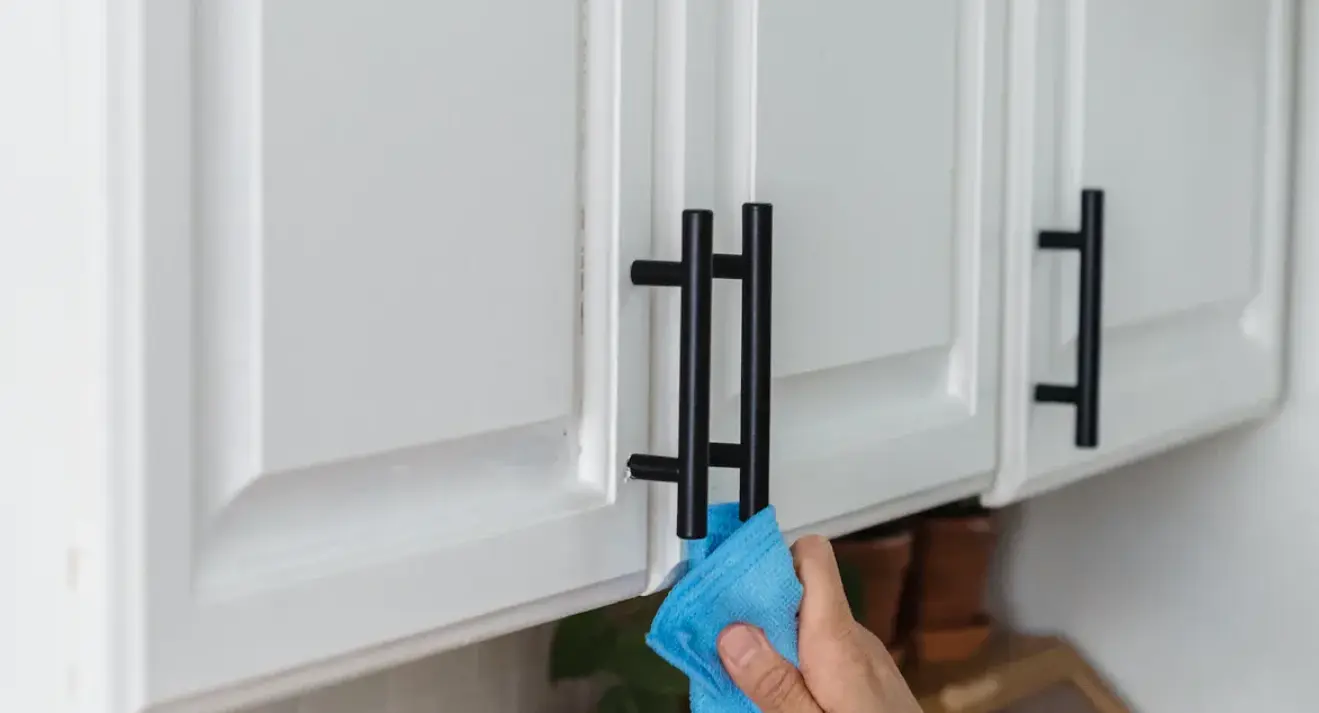
Matte black hardware presents a non-reflective, dark finish. This bold choice is popular for modern spaces, contrasting wonderfully with lighter cabinets and countertops. Manufacturers achieve matte black finishes through a sophisticated multi-stage process, most commonly Physical Vapor Deposition (PVD). PVD is a vacuum coating technique that ionizes metals like titanium or zirconium and bonds them at a molecular level to the underlying brass faucet body. This process creates an exceptionally hard, durable surface resistant to chipping, scratching, and corrosion. Specific texturing techniques during base preparation diffuse light to eliminate shine and glare, creating a soft, velvety appearance. Many premium manufacturers also add a proprietary clear, nano-ceramic anti-fingerprint coating on top of the PVD finish. This coating reduces surface tension, prevents water spots, and makes cleaning easier. Matte black finishes are easy to clean and hide fingerprints effectively.
Polished Black's Statement for Bathroom Hardware
Polished black finishes offer a sleek, reflective surface that makes a strong statement. This glossy option provides a dramatic and luxurious feel, often enhancing minimalist or high-end contemporary designs. It reflects light, adding depth and intensity to the fixture.
Scratch Resistance of Black Bathroom Hardware
The scratch resistance of black bathroom hardware largely depends on the application method. PVD coatings, commonly used for matte black, offer superior durability. They create an exceptionally hard surface that resists chipping, scratching, and corrosion. Other methods, such as powder coating or electroplating, also provide good protection, but PVD generally offers the highest level of resilience against daily wear and tear.
Cost of Black Bathroom Hardware
Black finishes, particularly those achieved through advanced processes like PVD, often fall into the mid-to-high price range. The specialized manufacturing techniques and enhanced durability contribute to their cost. However, their distinctive aesthetic and long-lasting performance make them a worthwhile investment for many homeowners.
Gold and Brass Bathroom Hardware Finishes: Luxury Reimagined
Gold and brass finishes have experienced a significant resurgence, bringing a touch of luxury and warmth back into bathroom design. These finishes can evoke classic elegance or modern glamour, depending on their specific treatment.
Polished Brass's Resurgence for Bathroom Hardware
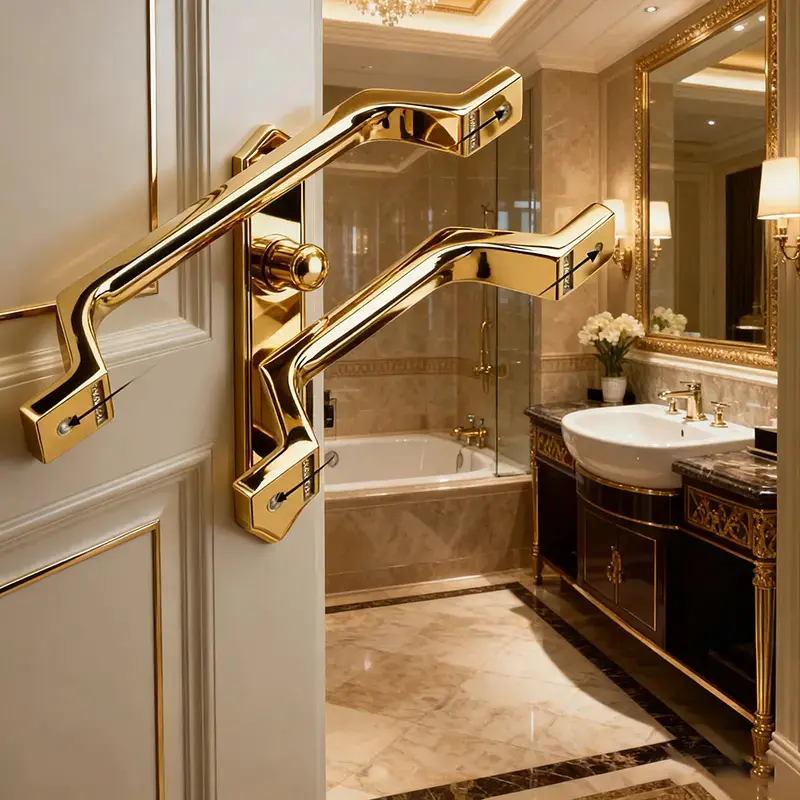
Polished brass, with its bright, reflective golden hue, has made a strong comeback. It offers a classic, opulent look that complements both traditional and transitional styles. Its high-shine surface adds a luxurious focal point to the bathroom.
Satin Brass's Muted Glamour for Bathroom Hardware
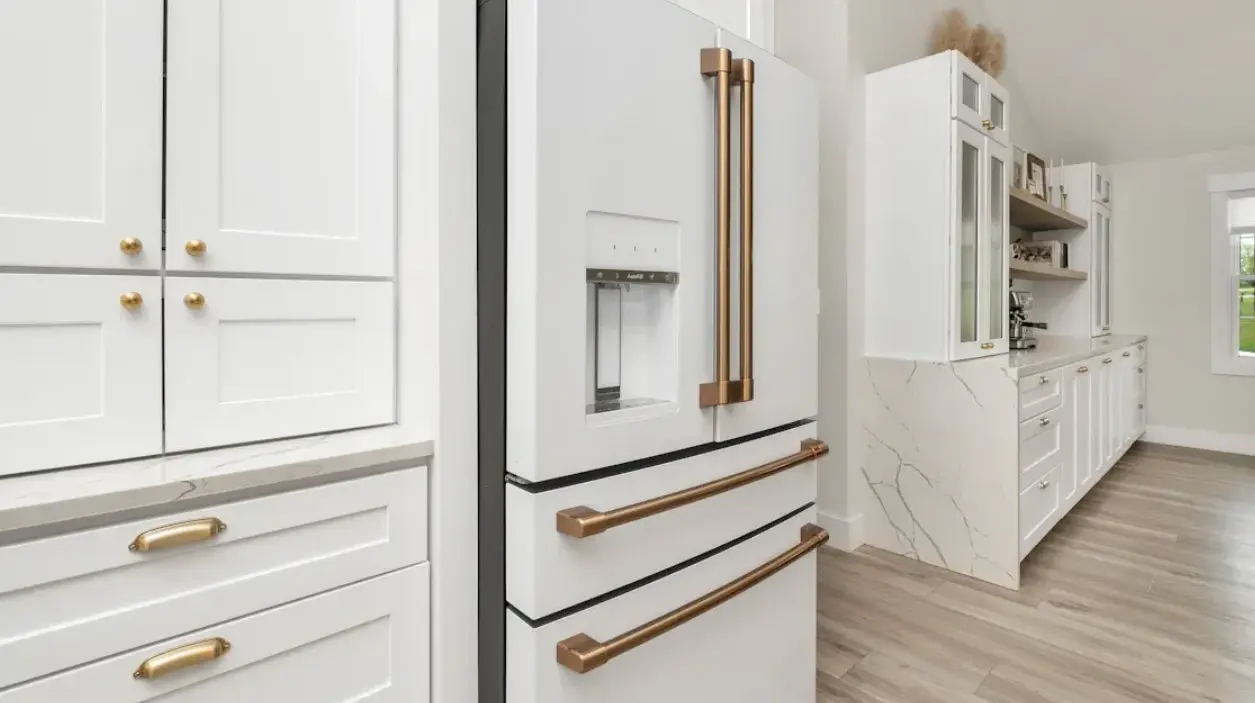
Satin brass provides a softer, more subdued golden finish compared to polished brass. It features a brushed texture that diffuses light, creating a warm, muted glamour. This finish offers sophistication without the overt shine, blending well with contemporary and transitional aesthetics.
PVD Gold's Durability for Bathroom Hardware
Manufacturers apply gold and brass finishes through various methods, each offering distinct characteristics. Physical Vapor Deposition (PVD) is a vacuum-based process that vaporizes solid metal into a plasma, depositing it as a high-performance coating. This newer finish for architectural ironmongery reduces maintenance. The process involves depositing thin film layers in a vacuum chamber, altering the chemical state of the brass's first few microns. PVD coatings, such as Zirconium Nitride (ZrN) or Titanium Nitride (TiN), resist corrosion, tarnishing, and discoloration, often coming with a 20-25 year guarantee. They are generally harder and more corrosion-resistant than electroplated coatings. PVD coatings adhere best to chrome-plated materials and stainless steel, with a typical thickness of 0.25 to 5 microns for decorative finishes. While PVD offers uniform deposits and improved adhesion, it does not level or fill surface imperfections.
Electroplating is another common method. For bright decorative work, brass is often flash-plated over bright nickel. Heavier brass plating is used when buffing, brushing, coloring, or antiquing is required. The common brass alloy applied is yellow, containing 70-80% copper and the rest zinc. The ratio of sodium cyanide to zinc is crucial for the resulting alloy color. Electroplating is slow on cast and malleable iron but works well over zincated aluminum. It requires substantial thickness on zinc castings due to rapid diffusion. A limitation is that ions deposit with low energy, leading to common and uncontrollable edge build-ups, and part geometry can affect deposit uniformity, making channels and crevices difficult to plate evenly.
Solvent-based coatings, or lacquers, are clear, durable coatings applied to brass to prevent tarnishing and maintain a polished finish without altering the brass color. Lacquers can be removed without damaging the brass for re-polishing and re-lacquering. They consist of film-forming polymers dissolved or dispersed in a liquid, often water-based for environmental reasons. The coating forms as the solvent evaporates, either by air-drying or stoving. Air-drying is simpler but vulnerable to dust and humidity, while stoved coatings are generally harder and more wear-resistant but require careful temperature control to prevent metal discoloration. Additives like UV absorbers, antioxidants, and plasticizers can enhance film properties. Application methods include brushing, dipping, flow coating, electrostatic spray, and electrophoretic coating (E-coat), which is effective for complex shapes due to its liquid form.
Powder coating, invented around 1945, is a dry finishing process. It uses finely ground pigment and resin particles, typically electrostatically charged and sprayed onto grounded parts. Parts undergo pre-treatment similar to liquid-coated items. The powder particles (20-40 microns) are applied and then cured in an oven, where they soften and flow to form a tough, continuous film. Powder coatings are environmentally friendly as they contain no solvents and release minimal VOCs. They can produce thicker coatings without running or sagging. Application methods include electrostatic spraying (most common for thermoset powders) and fluidized bed dipping (used for thermoplastic powders and high film build thermosets). In electrostatic spraying, charged powder particles are attracted to a grounded part, building up an even film thickness until repulsion stops the process. In fluidized bed dipping, pre-heated parts are immersed in a fluidized bed of powder, which melts onto the part.
PVD gold finishes offer superior durability and tarnish resistance compared to traditional gold plating.
| Feature | PVD Gold Finishes | Traditional Gold Plating |
|---|---|---|
| Durability | Superior resistance to wear and corrosion | Prone to wear and tear due to softer nature |
| Bonding | Molecular level bond, harder and more resilient | Thinner application, less resilient |
| Hardness (HV) | 1500-4500 HV | 100-200 HV |
| Corrosion | Endures up to 1000 hours in salt spray tests | Shows corrosion within 24-48 hours in salt spray tests |
| Tarnish | Robust adhesion safeguards against tarnishing | Loses luster faster, susceptible to environmental factors |
| Surface | Uniformly smooth, consistent layer thickness | Micro-level inconsistencies, uneven wear |
| Longevity | Superior, withstands rigorous use, lasting aesthetic | Prone to tarnishing and wear, requires more maintenance |
PVD coatings do not fade or tarnish easily, even under UV light, high humidity, or marine conditions. With Vickers hardness values reaching 1500–2500 HV, PVD gold coatings resist scratches far better than traditional electroplating. The PVD layer acts as a barrier against acids, alkalis, and salt fog, enhancing corrosion resistance. Despite a thickness of only 0.3–2.0 microns, the coating is extremely dense and provides complete surface coverage. PVD gold finishes are suitable for bathroom and kitchen hardware, including faucets, handles, shower panels, and soap dispensers.
Premium Pricing for Gold and Brass Bathroom Hardware
Gold and brass finishes, especially those with PVD coatings, typically command premium pricing. The intricate manufacturing processes, the inherent value of the materials, and their enhanced durability contribute to their higher cost. These finishes represent a significant investment in luxury and long-term aesthetic appeal.
Pewter and Other Specialty Bathroom Hardware Finishes
Beyond the mainstream options, specialty finishes like pewter offer unique aesthetic contributions, allowing for highly personalized bathroom designs.
Pewter's Soft Luster for Bathroom Hardware
Pewter finishes provide a soft, muted luster that evokes a sense of antique charm and understated elegance. Its grayish-silver tone offers a subtle alternative to brighter chrome or nickel, creating a warm and inviting atmosphere. Pewter often features a brushed or satin texture, which enhances its classic appeal.
Custom Finish Options for Bathroom Hardware
Many manufacturers offer custom finish options, allowing homeowners to achieve a truly unique look. These bespoke finishes can range from specialized patinas to unique color coatings, providing endless possibilities for personalization. Custom finishes often involve hand-applied techniques or proprietary chemical treatments.
Unique Aesthetic Contributions of Specialty Bathroom Hardware
Specialty finishes contribute unique aesthetic qualities that can define a bathroom's character. They allow for greater design flexibility, enabling homeowners to match hardware precisely to a specific theme or create a distinctive focal point. These finishes often add texture, depth, and a sense of craftsmanship that standard options cannot replicate.
Specialty Finish Costs for Bathroom Hardware
Specialty finishes typically incur higher costs due to their customized nature, specialized application processes, and often limited production runs. The investment reflects the uniqueness and artisanal quality these finishes bring to a bathroom.
The Unseen Heroes: Internal Components of Bathroom Hardware
While external finishes capture immediate attention, the internal components of bathroom fixtures are the true workhorses. These unseen heroes dictate the longevity and performance of your chosen pieces. Understanding these internal elements helps consumers make informed decisions for lasting functionality.
Valve Materials and Their Importance in Bathroom Hardware
Valve materials directly influence a fixture's reliability and lifespan. They control water flow and temperature.
Ceramic Disc Valves in Bathroom Hardware
Ceramic disc valves stand out for their superior durability and precise control. They feature two ceramic discs that slide against each other, creating a watertight seal. This design minimizes wear and tear. Compared to traditional compression valves and ball valves, ceramic disc valves offer smoother operation and more accurate control. While their initial cost may be higher, the long-term benefits often outweigh the price difference. They typically boast a lifespan of 20-30 years, significantly reducing the need for replacements and minimizing long-term maintenance costs. Ceramic disc valves also provide exceptionally fine control over both water flow and temperature mixing. They resist wear and mineral deposits, rarely leaking or dripping.
| Valve Type | Core Features | Lifespan | Experience & Quality | Value Proposition |
|---|---|---|---|---|
| Ceramic Disc Valve | 2 ceramic discs; Quarter-turn | 20-30 years | Smooth, precise; Virtually leak-free | Premium durability; Low maintenance (Higher price) |
| Ball Valve | Rotating slotted ball; Single-handle | N/A | Reliable; Easy one-handed operation | Cost effective; Simple design |
| Compression Valve | Rubber washer; Multiple turns; Dual handles | N/A | Familiar; Basic performance | Budget-friendly; Easy repair |
| Cartridge Valve | Movable cartridge; Single/double handle | N/A | Consistent; Precise control | Moderate investment; Convenient replacement |
| Thermostatic Valve | Auto temp control; Thermostat element; Anti-scald protection | N/A | Superior safety; Consistent temp | High-end comfort; Energy efficient (Premium) |
| Pressure Balance Valve | Diaphragm/piston mechanism; Balances pressure; Single-handle | N/A | Reliable; Prevents sudden shifts | Affordable; Essential anti-scald feature |
Brass Valve Bodies in Bathroom Hardware
Brass valve bodies offer excellent strength and corrosion resistance. Manufacturers often use brass for the main structure of valves due to its robust nature. This material withstands water pressure and temperature fluctuations effectively, contributing to the overall durability of the fixture.
Plastic and Rubber Components in Bathroom Hardware
Plastic and rubber components play crucial roles in various parts of valves, such as seals, gaskets, and internal guides. These materials provide flexibility and create tight seals, preventing leaks. Their quality directly impacts the valve's performance and longevity.
Understanding Cartridge Types for Bathroom Hardware
A faucet cartridge controls the flow and temperature of water. This device sits within a faucet, regulating the quantity of water passing through and its temperature. Cartridges connect to the handle and reside within a valve inside the faucet. Turning the handle opens or closes the cartridge within the valve to manage water flow from the spout.
Single-Handle Cartridges for Bathroom Hardware
Single-handle cartridges, often ceramic disc or ball types, allow users to control both water temperature and flow with one lever. They offer convenience and a sleek aesthetic.
Two-Handle Cartridges for Bathroom Hardware
Two-handle cartridges typically use compression or ceramic disc mechanisms. One handle controls hot water, and the other controls cold water. This design provides precise temperature adjustment.
Thermostatic Cartridges for Bathroom Hardware
Thermostatic cartridges are part of mixing valves. They blend hot and cold water to achieve a desired temperature. These cartridges also prevent scalding from excessively hot water, enhancing safety.
Impact on Longevity and Performance of Bathroom Hardware
The quality of internal components directly impacts a fixture's longevity and performance. High-quality materials are the foundational factor for longevity.
Preventing Leaks and Drips in Bathroom Hardware
Superior internal components, like ceramic disc valves, significantly reduce the likelihood of leaks and drips. Their precise engineering creates a reliable seal, maintaining water containment.
Smooth Operation Over Time for Bathroom Hardware
Quality cartridges and valve bodies ensure smooth operation throughout the fixture's life. Users experience consistent water flow and temperature control without stiffness or resistance.
Repairability and Replacement of Bathroom Hardware Components
Well-designed internal components often allow for easier repair and replacement. Manufacturers design many cartridges to be modular, simplifying maintenance when issues arise.
Matching Bathroom Hardware to Your Style and Budget
Selecting the right fixtures involves more than just material and finish. Homeowners must align choices with their bathroom's overall aesthetic and financial plan. This section guides individuals through style considerations, budget allocation, and balancing durability with cost.
Aesthetic Harmony: Bathroom Hardware Style Guide
The chosen fixtures significantly contribute to a bathroom's visual appeal. Different styles demand specific hardware characteristics.
Modern and Minimalist Bathroom Hardware
Modern and minimalist designs favor clean lines, geometric shapes, and often feature sleek, unadorned surfaces. Finishes like polished chrome, brushed nickel, or matte black complement this aesthetic. Functionality and simplicity are key.
Traditional and Classic Bathroom Hardware
Traditional and classic bathrooms often incorporate ornate details, curved lines, and a sense of timeless elegance. Hardware in polished brass, oil-rubbed bronze, or polished nickel enhances these styles. These finishes often feature intricate designs or decorative elements.
Industrial and Urban Bathroom Hardware
Industrial and urban styles embrace raw materials and utilitarian design. Hardware in matte black, brushed stainless steel, or even unfinished metals fits this look. Exposed pipes and robust, functional pieces are common.
Farmhouse and Rustic Bathroom Hardware
Farmhouse and rustic bathrooms exude warmth and comfort. They often feature natural textures and a vintage feel. Oil-rubbed bronze, antique brass, or even wrought iron finishes work well. Distressed or aged appearances add to the charm.
Budgeting for Your Bathroom Hardware
Costs for fixtures vary widely. Understanding different price tiers helps homeowners plan their expenses effectively.
Entry-Level Bathroom Hardware Options
Entry-level options typically include materials like zinc alloy or plastic with chrome or basic brushed nickel finishes. These products offer affordability and basic functionality. They suit guest bathrooms or temporary solutions.
Mid-Range Quality and Value Bathroom Hardware
Mid-range selections often feature stainless steel or brass with more durable finishes like PVD coatings. These products provide a good balance of quality, aesthetics, and longevity. They represent a solid investment for most homeowners.
Premium and Luxury Bathroom Hardware Selections
Premium and luxury fixtures utilize solid brass, high-grade stainless steel, or specialty materials. They often boast unique designs, advanced finishes, and superior internal components. These selections offer exceptional durability and a distinctive aesthetic.
Durability vs. Cost: Finding the Balance for Bathroom Hardware
Homeowners must weigh durability against cost. The intended use of the bathroom influences this decision.
High-Traffic Bathroom Hardware Considerations
For high-traffic areas like master bathrooms or family bathrooms, prioritize durability. Investing in solid brass or stainless steel with robust finishes ensures longevity and reduces maintenance. These areas demand fixtures that withstand constant use.
Guest Bathroom Hardware Choices
Guest bathrooms experience less frequent use. Homeowners can opt for more budget-friendly materials like zinc alloy or aluminum. These choices still offer good aesthetics without the need for extreme durability.
Long-Term Investment Strategies for Bathroom Hardware
Consider fixtures as a long-term investment. High-quality materials and finishes may have a higher upfront cost. However, they offer superior longevity, reduced replacement needs, and sustained aesthetic appeal. This approach saves money and effort over time.
Maintenance and Care for Lasting Bathroom Hardware Beauty
Proper maintenance significantly extends the life and preserves the appearance of bathroom fixtures. Regular care prevents damage and keeps hardware looking new.
General Cleaning Practices for Bathroom Hardware
Consistent cleaning routines are essential for all types of finishes. They protect the material and maintain its aesthetic appeal.
Gentle Cleaners for All Bathroom Hardware Finishes
Homeowners should use gentle cleaners for all finishes. Delta Faucet recommends specific household cleaners when used according to manufacturer instructions. These include Formula 409® Antibacterial All Purpose Cleaner, Fantastik® All Purpose Cleaner, and Windex® Original Glass Cleaner. These products effectively clean surfaces without causing harm.
Avoiding Abrasive Materials on Bathroom Hardware
To prevent damage, individuals must avoid abrasive materials. This includes industrial or abrasive cleaners like toilet bowl cleaners, green Scotch-Brite heavy duty scrub sponges, Scrubbing Bubbles Bathroom Cleaner, Lysol Basin Tub, Soft Scrub, and Tile Cleaner. Products that remove tarnish and rust, or those containing hydrofluoric, hydrochloric, and/or phosphoric acids and caustic agents, also cause harm. Harsh abrasives, polishes, and bleach-based cleaners should never touch hardware surfaces.
Regular Wiping for Spot Prevention on Bathroom Hardware
Wiping hardware dry after each use prevents water-spotting and mineral build-up. This simple habit significantly reduces the need for deeper cleaning and protects the finish from prolonged water contact.
Specific Care for Different Bathroom Hardware Finishes
Different finishes require specific care to maintain their unique properties and appearance.
| Finish Type | General Care | Specific Care / Avoid | Notes |
|---|---|---|---|
| All Finishes | Wipe dry after each use; Clean and wax regularly (Faucet Brite or mild soap/water + car/floor wax); For Living Finishes, use Renaissance Wax. | Avoid abrasive/aggressive chemicals (e.g., SoftScrub), ammoniated products (window/tile cleaners), bleach, abrasive cleaning pads. Do not allow prolonged water contact or collection at faucet base. | Prevents water-spotting, mineral build-up, and damage. |
| Satin Nickel | Follow "All Finishes" recommendations. | If oxidized, use a mild metal polish (e.g., Flitz, Semi-Chrome). | Uncoated finish; may oxidize if not cared for regularly. |
| Powdercoat Finishes (e.g., Matte Black, Gloss Black, Bella Terra Bronze) | Follow "All Finishes" recommendations. | Avoid all abrasives and harsh chemicals. | Protected by a clear powder coating; abrasives/harsh chemicals can damage the finish and expose underlying metal. |
| PVD Finishes (e.g., Polished Nickel, Black Nickel, Satin Bronze) | Follow "All Finishes" recommendations. | Avoid products designed to remove tarnish/rust, those containing hydrochloric, hydrofluoric, phosphoric acid, or caustic agents. Avoid bleach and scouring pads (e.g., Scotch Brite®). | Super-hard, durable surface; resistant to many cleaners but specific chemicals can still harm it. Ultra Stainless Steel (USS) is a PVD coating, do not use cleaners for stainless steel appliances. |
| Living Finishes (e.g., Oil Rubbed Bronze, Burnished Nickel) | Keep surface dry after each use; Occasionally apply Renaissance Wax sparingly and buff gently with a soft cloth. | Never use abrasive cloths/pads, cleaners, bleach, vinegar, or solvents. | These finishes age and wear over time, developing a unique patina. They are more delicate than other finishes. |
| Polished Chrome | Follow "All Finishes" recommendations. | (No specific additional instructions provided beyond general care) | (No specific additional notes provided) |
Chrome and Nickel Bathroom Hardware Care
Polished chrome and nickel finishes benefit from regular wiping and mild soap. They maintain their shine with consistent care. Satin nickel may oxidize if not cared for regularly; a mild metal polish can address this.
Bronze and Brass Bathroom Hardware Patina Management
Living finishes like oil-rubbed bronze and burnished nickel develop a unique patina over time. Homeowners should keep the surface dry after each use. Occasionally, they can apply Renaissance Wax sparingly and buff gently with a soft cloth. They must never use abrasive cloths, pads, cleaners, bleach, vinegar, or solvents on these delicate finishes.
Black Finish Protection for Bathroom Hardware
Powder-coated finishes, such as matte black, require careful handling. They are protected by a clear powder coating. Individuals must avoid all abrasives and harsh chemicals, as these can damage the finish and expose the underlying metal.
Addressing Common Issues with Bathroom Hardware
Even with proper care, issues can arise. Knowing how to address them helps preserve hardware.
Hard Water Stain Removal from Bathroom Hardware
Hard water stains appear as white, chalky deposits. A solution of white vinegar and water can dissolve these stains. Apply the solution, let it sit briefly, then wipe and rinse thoroughly.
Preventing Corrosion and Tarnish on Bathroom Hardware
Regular cleaning and drying prevent corrosion and tarnish. For finishes prone to tarnishing, like some uncoated brass or nickel, applying a protective wax or polish can create a barrier against moisture and air.
Repairing Minor Scratches on Bathroom Hardware
Minor scratches can sometimes be buffed out with a non-abrasive polish designed for the specific finish. Deep scratches often require professional repair or replacement of the component.
Making informed choices is crucial for your bathroom's fixtures. This comprehensive guide explored essential materials, diverse finishes, and critical internal components. Homeowners now possess the knowledge to select options that perfectly align with their aesthetic preferences, durability requirements, and budget constraints. This ensures lasting beauty and functionality for any renovation project.
FAQ
What is the most durable material for bathroom hardware?
Stainless steel and solid brass offer superior durability. Stainless steel resists corrosion exceptionally well. Solid brass provides excellent strength and resilience against bending. Both materials ensure long-lasting performance in humid bathroom environments.
Which finish is best for a modern bathroom aesthetic?
Matte black and polished chrome finishes are popular choices for modern bathrooms. Matte black provides a bold, contemporary edge. Polished chrome offers a sleek, reflective surface that brightens the space. Both finishes complement minimalist designs effectively.
How should one clean chrome bathroom hardware?
Clean chrome hardware with a soft cloth and mild soap. This method maintains its luster. Avoid abrasive cleaners or harsh chemicals. These products can scratch the surface and compromise the finish. Regular wiping prevents water spots.
Is brass bathroom hardware a worthwhile investment?
Brass hardware often represents a higher initial investment. However, its superior durability, aesthetic versatility, and long lifespan justify the cost. Many consider brass a premium material due to its quality and enduring value.
What are PVD finishes, and why are they beneficial?
PVD (Physical Vapor Deposition) finishes are highly durable coatings. Manufacturers apply them in a vacuum chamber. PVD coatings resist chipping, scratching, and corrosion. They offer superior longevity and maintain their appearance well, especially for gold and black hardware.
Why do internal components matter for bathroom hardware?
Internal components, such as ceramic disc valves and brass valve bodies, dictate a fixture's longevity and performance. High-quality internal parts prevent leaks and ensure smooth operation. They contribute significantly to the hardware's overall reliability.
Can different hardware finishes be mixed in a single bathroom?
Yes, mixing finishes can create a unique, layered look. For example, one might pair matte black with brushed brass. Ensure the chosen finishes complement each other. This approach adds visual interest and personalization to the bathroom design.