


Anti-Odor Floor Drain: Inserts or Replacement for a Fresh Home?
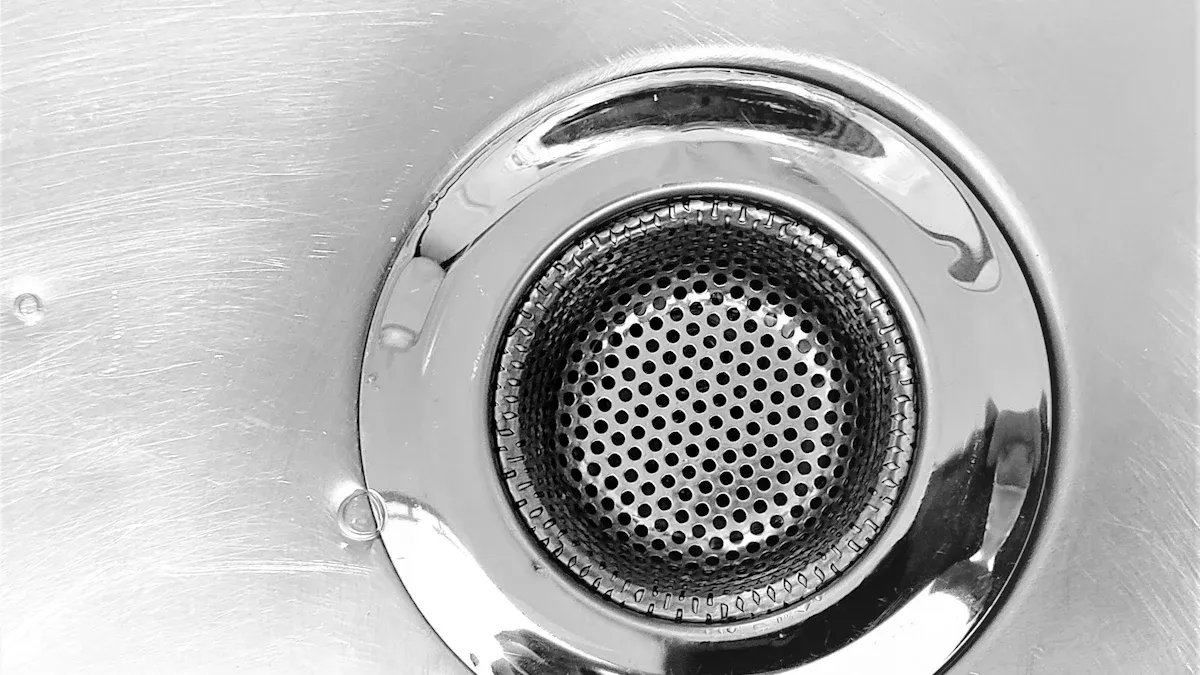
Unpleasant drain odors often disrupt home comfort. People seek an effective solution. Anti-Odor Floor Drain inserts provide a cost-effective approach for minor odor issues. They offer a simple, temporary fix. However, for severe, persistent problems or underlying structural damage, a full replacement offers a permanent solution. This might involve upgrading to an SS304 Anti-Odor Floor Drain, ensuring long-term freshness and addressing root causes.
Key Takeaways
- Drain odors come from clogs, dry P-traps, or bad plumbing. Find the smell's source first.
- Anti-odor inserts are cheap and easy to install. They fix small odor problems and block pests.
- Inserts work best for mild smells or in rental homes. They are a quick, temporary fix.
- Full drain replacement fixes big problems. It stops odors for good and improves plumbing.
- Replace your drain for strong, constant smells. Do this if pipes are broken or during big home remodels.
- Inserts need regular cleaning to work well. Full replacements need less care over time.
- Think about the smell's strength and your budget. Also, consider if you can do the work yourself.
- Call a plumber for bad smells that do not go away. This is important for your health and home.
Understanding Drain Odors and the Need for an Anti-Odor Floor Drain
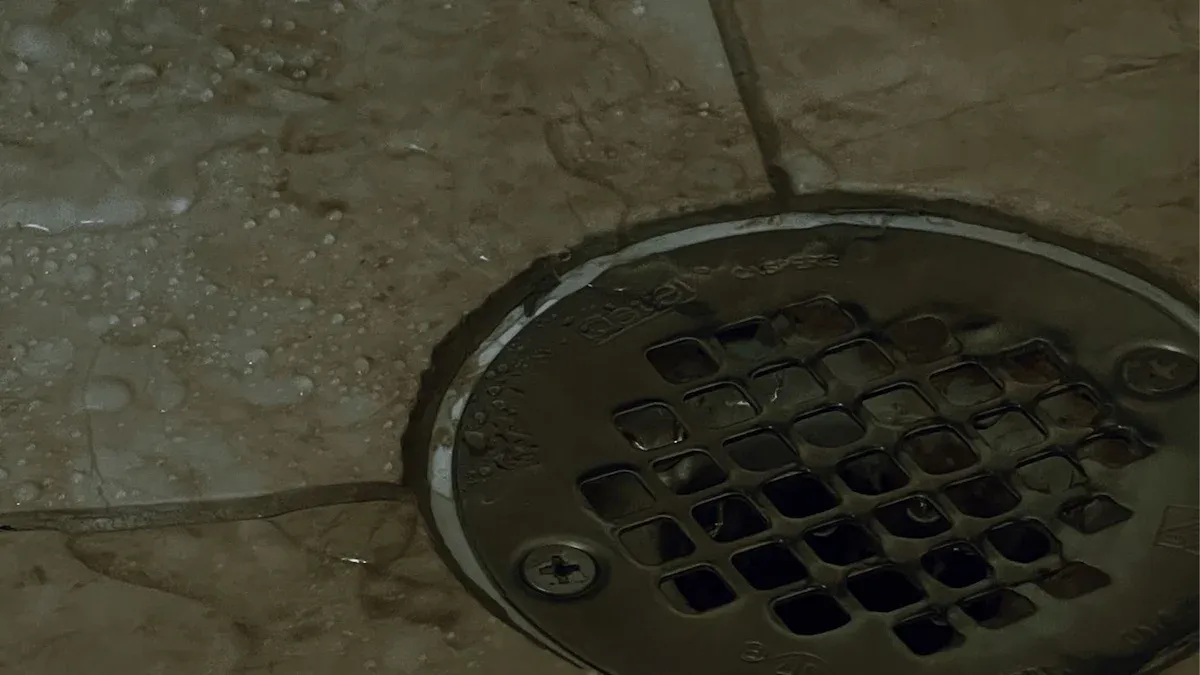
Unpleasant odors emanating from drains significantly diminish home comfort. Understanding the root causes of these smells is the first step toward achieving a fresh living environment. Identifying the specific source of the problem allows homeowners to choose the most effective solution, whether it involves simple maintenance or a more comprehensive upgrade to an Anti-Odor Floor Drain system.
Common Causes of Unpleasant Drain Smells
Several factors contribute to foul drain odors. Recognizing these common culprits helps in diagnosing the issue accurately.
- Clogged Sewer Line: A blocked sewer line can cause sewage backups, pushing foul smells into a home. This can also occur if a pipe bursts or a connection is loose.
- Grease & Bacteria Build-Up: A mixture of grease, soap scum, and food particles inside pipes creates a breeding ground for bacteria. This leads to sour, rotten odors, especially in kitchen sinks.
- A Dry Or Faulty P-Trap: The U-shaped P-trap holds water, forming a seal against sewer gases. If it dries out or is faulty, sewer gases can enter the home.
- Poor Or Blocked Venting: Malfunctioning or blocked vent pipes, which release pressure and gases, can cause odors to emanate from drains due to accumulated pressure.
- Food Waste In The Garbage Disposal: Small food bits, particularly greasy or fibrous items, can cling to garbage disposal blades and chambers. They decompose and release strong, unpleasant odors.
Dry P-Traps and Sewer Gas
P-traps are the curved pipes located under sinks and Floor Drains. They hold water, creating a natural barrier against sewer gases. This water seal prevents noxious fumes from entering the living space. Vent pipes regulate air pressure, preventing water from being sucked out of P-traps. If the water in the trap evaporates, the seal breaks, allowing sewer gas to escape freely. This often occurs in infrequently used areas like guest bathrooms, vacant rooms, or basement drains. When a drain is not used regularly, the water in its trap dries up, permitting sewer gas to enter the room.
Biofilm and Debris Buildup
Biofilm forms when bacteria, grease, soap scum, and food particles accumulate on the inner surfaces of drain pipes. This organic matter decomposes, producing a distinct, often rotten smell. Kitchen sinks and shower drains are particularly susceptible to this issue due to the constant flow of organic waste.
Damaged or Improperly Installed Plumbing
Plumbing issues beyond simple clogs can also cause odors. A cracked pipe, a loose connection, or an improperly installed vent pipe allows sewer gases to escape directly into the home. These structural problems require professional attention.
Identifying the Source of Your Anti-Odor Floor Drain Problem
Accurately identifying the source of a drain odor is crucial for effective treatment.
Pinpointing the Smelly Drain
Homeowners can often pinpoint the source by smelling around each drain. Start with the drains closest to the odor. Pouring a small amount of water down infrequently used drains can help determine if a dry P-trap is the cause.
Recognizing Different Odor Types
Different types of odors often indicate specific problems. A sulfurous or rotten egg smell typically points to sewer gas. A musty or moldy smell suggests biofilm or stagnant water. A sour or putrid odor often indicates decaying organic matter, such as food waste in a garbage disposal.
Anti-Odor Floor Drain Inserts: A Cost-Effective Solution
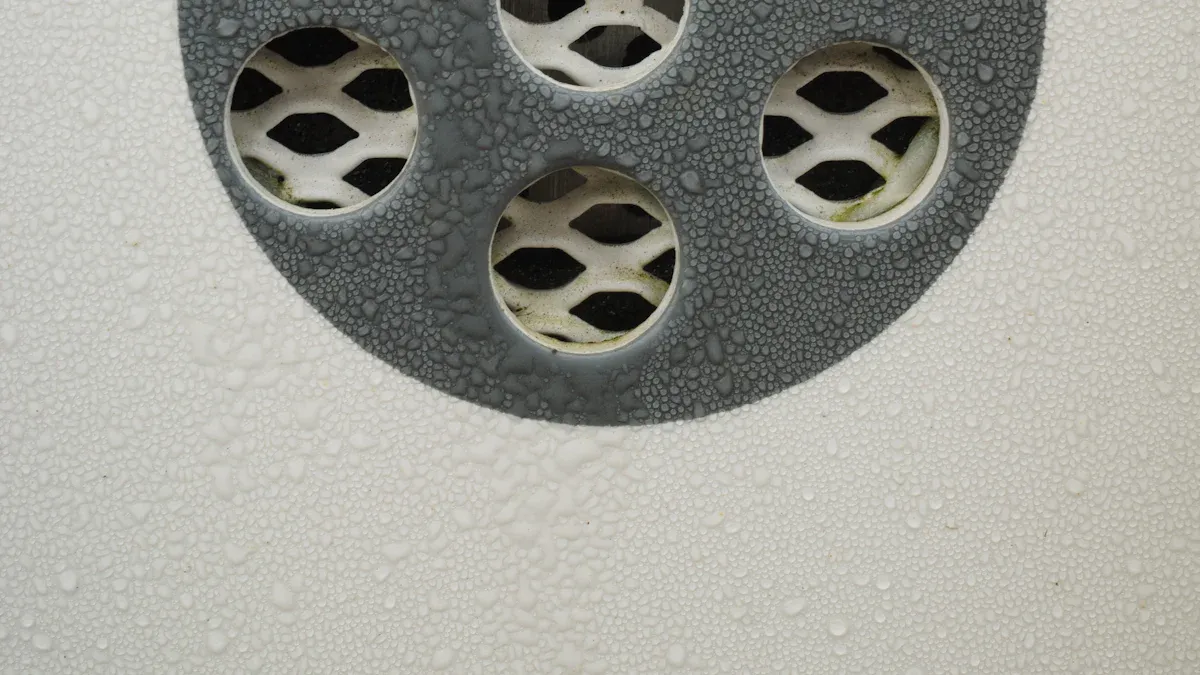
Homeowners often seek practical and affordable solutions for minor drain odors. Anti-Odor Floor Drain inserts offer a straightforward and budget-friendly approach to managing these common household nuisances. They provide a temporary yet effective barrier against unpleasant smells and unwanted pests.
What Are Anti-Odor Floor Drain Inserts?
Anti-Odor Floor Drain inserts are small devices designed to fit inside existing floor drains. They create a seal that blocks odors and prevents insects from entering the living space.
Types of Inserts and Their Mechanisms
Inserts typically feature a water seal or a mechanical valve structure, such as a check valve or a gravity-closed mechanism. These designs maintain a closed state when no water drains, effectively blocking odors and harmful gases from rising through the pipes. Common components include an embedded box, a cover plate, a hollow main body, and a guiding column. The elastic sealing ring, crucial for its function, often consists of hydrogenated acrylonitrile butadiene rubber for the annular connecting part and a styrene-butadiene-styrene block copolymer blend for the elastic sealing body. Many inserts utilize durable materials like SUS304 stainless steel or solid brass for their main body, ensuring corrosion resistance and longevity.
How Inserts Block Odors and Pests
The one-way drainage structure of these inserts automatically closes when water flow ceases. This closure prevents sewer gases from escaping and stops pests like mosquitoes and cockroaches from crawling into the home. This mechanism also reduces the risk of backflow during heavy rains or pipe pressure issues, contributing to a cleaner and more hygienic environment.
Advantages of Anti-Odor Floor Drain Inserts
Inserts offer several benefits, making them an attractive option for many homeowners.
Low Cost and Easy Installation
Anti-Odor Floor Drain inserts are significantly less expensive than full drain replacements. Their installation process is typically quick and simple. Many base models require no professional tools and take only about 10 minutes to install. Advanced models, featuring pre-drilled templates or self-leveling systems, can reduce labor time by up to 80% or 30% compared to traditional methods.
Non-Invasive and DIY-Friendly
Installing an insert does not require extensive plumbing work or disruption to the existing floor. Homeowners can easily perform the installation themselves, making it a popular choice for DIY bathroom renovations. This non-invasive approach saves both time and money.
Effective for Minor Odor Control
Inserts effectively control mild or intermittent odors. They are ideal for situations where the primary issue is a dry P-trap or minor biofilm buildup, providing a quick and noticeable improvement in air quality.
Limitations of Anti-Odor Floor Drain Inserts
Despite their advantages, inserts have certain limitations.
Reduced Effectiveness for Severe Issues
Inserts may not resolve severe or persistent odor problems. If the odor stems from a damaged pipe, a major clog, or a fundamental plumbing defect, an insert only masks the symptom rather than addressing the root cause.
Requires Regular Maintenance
Inserts require consistent maintenance to remain effective. Homeowners should remove the grate weekly to clear hair and debris, rinsing it with warm water. Monthly cleaning of the drain body and basket with a brush and mild degreaser is advisable. Quarterly flushing with an enzyme cleaner helps prevent buildup. Annual inspections are also recommended to check for wear and tear.
Not a Permanent Structural Fix
Inserts offer a temporary solution. They do not repair underlying structural plumbing issues like cracked pipes or improper venting. For such problems, a more comprehensive and permanent fix is necessary.
When to Choose Anti-Odor Floor Drain Inserts
Homeowners often face the decision between a quick fix and a permanent solution for drain odors. Anti-Odor Floor Drain inserts offer a practical and efficient choice under specific circumstances. They provide an effective remedy without the commitment or expense of a full replacement.
Mild or Intermittent Odors
Homeowners frequently experience mild or intermittent drain odors. These smells appear occasionally, not constantly, and often lack intense pungency. They typically originate from a dry P-trap, where the water seal has evaporated due to infrequent use, or from minor biofilm accumulation within the pipe's upper sections. An Anti-Odor Floor Drain insert offers an excellent solution for these specific problems. It provides a quick and effective barrier against unpleasant smells. The insert restores freshness to the home environment by physically blocking the odor source. It addresses the symptom directly without requiring extensive plumbing work. This makes it a practical choice for less severe odor issues. Individuals can easily install these inserts themselves, quickly mitigating the problem and improving indoor air quality. This simple intervention prevents minor annoyances from escalating into larger, more persistent issues.
Budget-Conscious Decisions
Financial considerations significantly influence home improvement choices. Inserts present a highly cost-effective alternative to full drain replacements. They require a minimal upfront investment, often just a few dollars per unit. Homeowners can achieve noticeable improvements in air quality without a large financial outlay. This makes inserts an attractive option for individuals prioritizing budget-friendly solutions. They deliver significant relief from odors at a fraction of the cost of more complex plumbing interventions. This approach allows homeowners to manage their finances effectively while still addressing household comfort. It provides an immediate benefit for a modest expenditure, making it accessible to a wider range of consumers. Choosing an insert allows for an immediate positive impact on the home environment without straining the budget.
Temporary Solutions for Rental Properties
Renters face unique challenges regarding home modifications. They cannot undertake permanent plumbing alterations without landlord permission, which often involves significant hassle or cost. Anti-Odor Floor Drain inserts provide an ideal temporary solution for rental properties. Tenants can easily install these devices without landlord approval or structural changes. The inserts improve living conditions by effectively blocking odors and preventing pests from entering the living space. They are also simple to remove when tenants move out, leaving no trace of modification. This non-invasive nature makes them perfect for enhancing comfort in rented spaces. They offer a practical, reversible upgrade for any tenant seeking a fresher home environment. Property managers might also consider them for quick odor fixes between tenants, ensuring a pleasant environment for new occupants without major renovation costs or long-term commitments.
Full Anti-Odor Floor Drain Replacements: The Permanent Fix
A full Anti-Odor Floor Drain replacement offers a definitive solution for persistent odor issues. This option addresses the root cause of severe problems, providing long-term relief and enhancing overall plumbing system integrity. It represents a significant upgrade for any home.
What a Full Anti-Odor Floor Drain Replacement Entails
Replacing a floor drain involves more than just swapping out a part. It requires careful planning and execution.
Scope of Work and Professional Involvement
A full replacement typically involves removing the old drain, modifying the surrounding flooring, and installing a new drain body and grate. This process often requires breaking through concrete or tile, making it a complex task. Professionals, such as licensed plumbers and contractors, usually handle this work. They ensure proper installation, correct pipe connections, and adherence to local building codes. Their expertise prevents future issues.
Modern Anti-Odor Floor Drain Designs
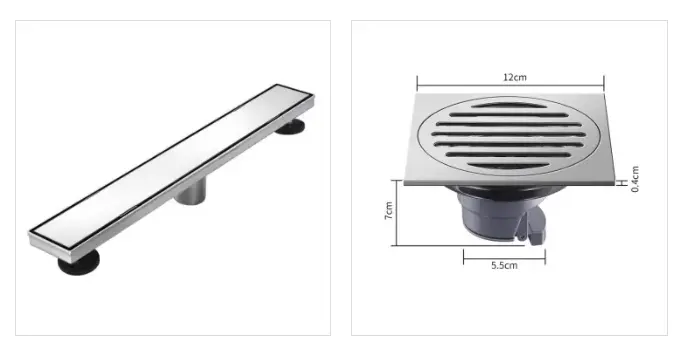
Modern Anti-Odor Floor Drain designs incorporate advanced features for superior performance. These designs prioritize both functionality and aesthetics.
- Anti-odor seal technology: This advanced mechanism prevents sewer gases from entering occupied spaces.
- Durable stainless steel construction: This ensures longevity, resistance to corrosion, and suitability for high-traffic areas.
- Modern aesthetic design: Features like elegant square patterns blend with contemporary decor.
- Advanced sealing mechanisms: These create an effective barrier against sewer gases without requiring electrical power or regular maintenance.
- Optimized channel geometry: Engineered design maximizes water flow capacity and accelerates water evacuation, reducing standing water and slip hazards.
- Precision manufacturing processes: These contribute to the robust build quality and sophisticated appearance.
- Odor-resistant inner cores: These are crucial for segregating sewer odors and maintaining indoor air quality.
- Enhanced drainage efficiency: Modern designs prioritize significant displacement for fast and effective water removal.
Benefits of a Full Anti-Odor Floor Drain Replacement
Replacing a floor drain offers numerous advantages beyond simple odor control.
Permanent Odor Elimination
A full replacement provides permanent odor elimination. A Sure Seal floor drain trap sealer effectively blocks odors, gases, and pests. It creates a physical barrier within the drainpipe. This typically uses a flexible membrane or a floating ball. It opens only when water flows. This mechanical barrier is more reliable than traditional P-traps. P-traps rely on standing water that can evaporate, leading to odors. It ensures liquids go down but nothing comes up. This prevents unpleasant smells even in infrequently used drains.
Addresses Underlying Plumbing Issues
Replacement directly addresses underlying plumbing problems. This includes damaged pipes, incorrect slopes, or inadequate venting. It resolves the root cause of odors and prevents their recurrence. This comprehensive approach ensures the entire drainage system functions correctly.
Enhanced Drain Functionality and Longevity
New drains offer enhanced functionality and longevity. They often feature improved flow rates and robust construction.
- Odor Prevention: An odor seal acts as a barrier, blocking sewer gases from entering living or working spaces.
- Insect and Pest Prevention: The odor seal physically blocks insects like cockroaches, flies, and mosquitoes from entering the building.
- Hygiene and Health Benefits: By preventing sewer gases and pests, anti-odor drains reduce contamination risk and disease spread.
- Water Conservation: Some odor-seal drains are designed for water efficiency.
- Durability and Long-Term Cost Savings: Anti-odor floor drains are often made from high-quality, corrosion-resistant materials.
Long-term drain odor control programs target the source of drain odors. These low-maintenance programs maintain an odor-free environment and improve air quality. Preventative drain maintenance also enhances overall drain performance.
Drawbacks of a Full Anti-Odor Floor Drain Replacement
Despite the benefits, full replacements have some disadvantages.
High Upfront Cost and Complexity
A full replacement involves significant upfront costs. These include materials, labor, and potential flooring repairs. The complexity of the job also contributes to the expense.
Disruptive Installation Process
The installation process is disruptive. It involves noise, dust, and temporary loss of access to the affected area. This can inconvenience homeowners.
Requires Professional Expertise
Replacing a floor drain demands professional expertise. Incorrect installation can lead to leaks, further odors, or structural damage. Homeowners must hire qualified plumbers for this task.
When to Opt for a Full Anti-Odor Floor Drain Replacement
Homeowners often face situations where a simple insert cannot resolve persistent drain issues. A full Anti-Odor Floor Drain replacement becomes the necessary solution in these specific scenarios. This option provides a permanent fix, addressing the root causes of severe problems.
Persistent and Severe Odors
When odors persist despite using inserts, a full replacement becomes necessary. These smells are often constant and strong, indicating a deeper issue than a simple dry P-trap. Inserts only offer a temporary barrier. They do not fix the source of severe sewer gas leaks or extensive biofilm buildup. A full replacement addresses these root causes directly. It eliminates the problem permanently. This ensures a truly fresh and healthy indoor environment. Homeowners should consider this option when minor solutions fail to provide lasting relief. Ignoring severe odors can lead to ongoing discomfort and potential health concerns. A comprehensive replacement provides a definitive end to these pervasive issues. It offers a reliable solution for maintaining indoor air quality.
Visible Drain Damage or Recurring Clogs
Visible damage to drain components or frequent clogs signal a need for replacement. Cracks in the drain body or pipe connections allow sewer gases to escape directly into the living space. Recurring clogs indicate significant blockages or improper pipe slopes within the plumbing system. These issues compromise the drain's integrity and function. A new Anti-Odor Floor Drain system resolves these structural defects. It restores proper drainage and prevents future blockages. This proactive approach safeguards the home from water damage and persistent odors. It also improves the overall efficiency of the plumbing system. Addressing these physical problems prevents them from escalating into more costly repairs later. Consider these signs:
- Standing water: Water does not drain quickly.
- Foul smells: Odors often accompany slow drainage.
- Physical cracks: Visible damage on the drain or surrounding floor. These indicators strongly suggest a full replacement is the most effective course of action.
During Major Renovations or New Construction
Major renovations or new construction projects present an ideal opportunity for a full drain replacement. Integrating a new, modern drain system during these phases minimizes disruption. Workers can easily access plumbing lines. This allows for seamless installation of advanced Anti-Odor Floor Drain technology. It ensures optimal performance from the outset. Property owners enhance their home's value and functionality. They also prevent potential odor problems before they even begin. This strategic investment provides long-term peace of mind. It contributes to a healthier living space for years to come. Installing a high-quality drain during construction avoids the need for disruptive retrofits later. It represents a smart decision for any new build or significant home upgrade. This approach ensures the plumbing infrastructure meets modern standards.
Anti-Odor Floor Drain Inserts vs. Replacements: A Direct Comparison
Choosing between an Anti-Odor Floor Drain insert and a full replacement involves evaluating several key factors. Homeowners must consider cost, installation complexity, and the long-term effectiveness of each solution. This direct comparison helps individuals make an informed decision for their specific needs.
Cost and Value Proposition
Financial considerations play a significant role in any home improvement decision. Both inserts and replacements offer distinct cost structures and value propositions.
Initial Investment vs. Long-Term Expenses
Inserts require a small initial outlay. Homeowners can purchase them for a minimal cost. Replacements demand a substantial upfront investment. This includes materials, labor, and potential structural modifications. Over time, inserts may incur recurring costs for replacement or if they fail to address severe issues. A full replacement, despite its initial expense, often leads to lower long-term costs. It eliminates persistent problems and reduces the need for repeated interventions.
Return on Investment for Each Anti-Odor Floor Drain Option
Inserts offer immediate value for minor odor problems. They provide a quick, budget-friendly solution. Their return on investment is rapid relief from nuisance odors. Full replacements yield a higher long-term return. They enhance property value, ensure lasting peace of mind, and prevent future plumbing expenditures. This option provides a comprehensive upgrade to the home's infrastructure.
Installation and Disruption
The installation process and its impact on daily life differ significantly between inserts and full replacements.
DIY vs. Professional Installation
Homeowners can easily install inserts. They require no specialized tools or plumbing expertise. This makes them a popular DIY project. Full replacements necessitate professional installation. The process involves complex plumbing work, specialized equipment, and adherence to building codes. Qualified plumbers perform these tasks.
Impact on Home and Daily Life
Inserts cause minimal disruption. Installation takes minutes, and daily routines remain unaffected. Replacements create significant disruption. The process generates noise, dust, and temporary loss of access to the affected area. This can inconvenience residents for several days or longer.
Effectiveness and Longevity of Anti-Odor Floor Drain Solutions
The primary goal of any solution is to eliminate odors. The effectiveness and longevity of inserts versus replacements vary considerably.
Short-Term vs. Permanent Results
Inserts provide short-term effectiveness. They offer a temporary barrier against odors. Brodi VapourBlock, for example, offers an immediate and effective solution. It creates a vapor barrier that seals off drains. Its citrus-based formula blocks odors and leaves a refreshing scent. The product is easy to apply, sealing both sides of the P-trap. It provides immediate odor elimination, suitable for maintaining fresh drains even during extended non-use. The '1PC Anti Odor Floor Drain' insert also blocks odors and pests effectively upon insertion. It requires no significant effort. This provides an immediate solution to unpleasant smells. It contributes to a fresher, more hygienic living environment. This device offers a simple, passive, and continuous method for odor control. It reduces the need for frequent drain cleaning and chemical treatments.
Full replacements deliver permanent results. They eliminate recurring sewer smells without manual intervention.
- Anti-odor floor drains are designed to eliminate recurring sewer smells without manual intervention.
- Waterless silicone and magnetic seals offer the strongest defense against persistent smells.
- These systems can eliminate sewer odors effectively and permanently.
Addressing Root Causes of Odors
Inserts primarily mask symptoms. They do not address underlying plumbing issues like damaged pipes or improper venting. Replacements directly address the root causes of odors. They fix structural problems, correct pipe slopes, and ensure proper ventilation. This comprehensive approach resolves the core issue, preventing future odor recurrence.
Maintenance and Upkeep
Effective maintenance practices significantly influence the long-term performance of any anti-odor solution. Homeowners must understand the ongoing care requirements for both inserts and full drain replacements to ensure a consistently fresh home environment. Different solutions demand varying levels of attention.
Ongoing Care for Inserts
Anti-Odor Floor Drain inserts offer a convenient initial fix, but they require consistent attention to maintain their effectiveness. Regular cleaning prevents the accumulation of debris that can compromise their function. Homeowners should periodically remove the insert from the drain. They can then clear any trapped hair, soap scum, or other particles. A simple rinse with warm water often suffices for light cleaning. For more stubborn buildup, a mild brush and a gentle cleaning solution effectively remove grime. Neglecting this routine maintenance allows organic matter to accumulate on the insert. This accumulation can lead to new odor sources or impede the insert's sealing mechanism. Furthermore, the materials in some inserts, such as rubber or silicone seals, can degrade over time. Homeowners should inspect these components during cleaning. They must replace the entire insert when signs of wear or damage appear. This proactive approach ensures the insert continues to provide an effective barrier against odors and pests.
Reduced Maintenance Post-Replacement
A full Anti-Odor Floor Drain replacement significantly reduces the need for frequent maintenance. Modern drain designs incorporate features that inherently minimize upkeep. These advanced drains often utilize durable materials like SUS304 stainless steel or brass. These materials resist corrosion and biofilm attachment. Their smooth surfaces and optimized channel geometry promote efficient water flow. This design reduces the likelihood of debris accumulation and clogs. The integrated anti-odor mechanisms, such as waterless silicone seals or magnetic closures, operate passively. They do not require manual intervention to maintain their sealing capability. This contrasts sharply with inserts, which rely on regular cleaning to prevent blockages and maintain their seal. After a professional replacement, the new drain system addresses underlying plumbing issues. This includes correct pipe slopes and proper venting. These structural improvements prevent the conditions that lead to persistent odors and frequent clogs. Consequently, homeowners experience a long-term solution with minimal ongoing effort. They can enjoy a fresh home without the constant vigilance required for temporary insert solutions.
Factors to Consider for Your Anti-Odor Floor Drain Decision
Choosing the right solution for drain odors requires careful consideration of several factors. Homeowners must assess the problem's nature, their financial situation, and their comfort level with plumbing tasks. This evaluation guides them toward the most effective and appropriate Anti-Odor Floor Drain solution.
Severity and Persistence of the Odor Problem
The nature of the odor problem significantly influences the choice between an insert and a full replacement. Homeowners must accurately gauge how often and how intensely the smells occur.
Occasional vs. Constant Smells
Occasional smells often indicate minor issues. For instance, a dry P-trap in an infrequently used bathroom might cause a temporary odor. However, a pervasive sewer smell throughout the house signals a serious plumbing issue. This could stem from a dry trap, a sewer line blockage, or cracked pipes. Such persistent odors require immediate professional attention due to potential harmful toxins. Frequently clogged drains, especially multiple fixtures, also suggest a deeper, more serious problem within the plumbing lines.
Intensity of the Odor
The intensity of the odor also provides crucial clues. Foul smells from drains, often caused by trapped waste or sewer gases, indicate a problem needing repair, particularly if waste does not flow away from the home. If the sewer odor continues despite personal attempts to fix it, underlying issues likely exist. These issues require professional inspection and specialized tools like sewer cameras or smoke tests. Health concerns, such as respiratory problems, headaches, or nausea linked to sewer gases, indicate a serious problem. Prolonged exposure can lead to severe conditions like hydrogen sulfide poisoning. Odors pointing to potential property damage, like those from a leaking or damaged sewer line, demand prompt attention to prevent costly repairs to walls, floors, and foundations.
Your Budget and Financial Constraints
Financial considerations play a critical role in decision-making. Homeowners must weigh the immediate costs against long-term value.
Upfront Costs and Long-Term Value
Inserts offer a low upfront cost, providing an immediate, budget-friendly fix for minor issues. A full replacement, however, involves a significant initial investment. This includes materials, labor, and potential flooring repairs. Despite the higher initial expense, a full replacement often delivers greater long-term value. It eliminates persistent problems and reduces the need for repeated interventions.
Prioritizing Investment in Your Anti-Odor Floor Drain
Homeowners prioritize their investment based on the problem's severity. For minor, intermittent odors, an insert offers excellent value. For severe, persistent odors or complex plumbing issues, investing in a full replacement prevents future costly repairs and ensures a healthier living environment. This strategic investment addresses the root cause, providing lasting peace of mind.
DIY Comfort Level and Plumbing Skills
A homeowner's comfort level with DIY projects and their plumbing skills also guides the decision.
Simple Insert Installation
Installing an insert is a straightforward task. Most homeowners can easily perform this DIY project. It requires no specialized tools or extensive plumbing knowledge. This makes inserts an accessible solution for many.
Complex Replacement Project
A full drain replacement is a complex project. It typically requires professional expertise. Incorrect installation can lead to leaks, further odors, or structural damage. Homeowners should engage qualified plumbers for this task.
Long-Term Goals for Your Home and Anti-Odor Floor Drain
Homeowners often consider the long-term implications of their choices. This applies to addressing drain odors as well. Decisions about quick fixes versus permanent upgrades affect both daily living and property value.
Quick Fix vs. Permanent Upgrade
Choosing between a quick fix and a permanent upgrade depends on individual priorities. An Anti-Odor Floor Drain insert offers immediate relief. It provides a temporary solution for minor odor issues. This option suits those seeking a fast, inexpensive remedy. However, a full drain replacement represents a permanent upgrade. It addresses the root cause of persistent problems. This ensures lasting freshness and prevents future recurrences. Homeowners seeking enduring solutions and peace of mind often prefer the permanent upgrade.
Property Value Considerations
Drain issues can impact property value. Unpleasant odors deter potential buyers. They suggest underlying problems. A home with a well-maintained plumbing system, including modern Anti-Odor Floor Drain solutions, enhances its appeal. A full drain replacement, especially during renovations, adds tangible value. It signals a proactive approach to home maintenance. This investment can yield positive returns when selling the property.
Signs of Underlying Plumbing Issues
Recognizing signs of deeper plumbing problems is crucial. These indicators often necessitate professional intervention. Ignoring them can lead to more significant damage and health risks.
When to Call a Professional for Your Anti-Odor Floor Drain
Several signs indicate a need for professional plumbing assistance. A slow-running sink or shower drain often signals a blockage. Foul-smelling odors from drains and sinks are also a major concern. Gurgling sounds after flushing the toilet suggest trapped air or a blockage. Frequent overflows of the floor drain itself point to serious issues. Persistent bad odors coming from drains, especially if they linger after cleaning, indicate a deeper problem. This could be trapped organic matter, grease buildup, sewer gas leaks, or pests. A camera inspection helps pinpoint the source. Slow drains that keep getting worse can escalate to complete clogs. This happens due to accumulated debris. Professional inspection determines if the problem is localized or part of a larger system blockage.
Importance of Professional Inspection
Unpleasant odors, such as a rotten-egg or sulfuric smell, are serious indicators of a plumbing issue. Sewer gas escapes into the home. While a minor, isolated smell might be due to a dry P-trap, a persistent or widespread sewer odor suggests a major problem. This could be a main line issue. Sewer gas (methane) normally vents outside. A significant blockage forces it backward. Water decomposing in the main line also releases foul smells. In some cases, it can even indicate a serious break in the underground sewer line. Sewer gas can be toxic and flammable. Professional clearing and inspection are crucial. They remove the odor source and confirm the line's structural integrity. Frequent backups and overflows also signal a serious blockage or failing sewer line. This can lead to water damage and harmful bacteria. Inspection identifies causes such as grease buildup, tree root infiltration, or broken pipes.
Making the Right Anti-Odor Floor Drain Choice for Your Home
Homeowners face a crucial decision when addressing drain odors. They must choose between a simple insert and a complete drain replacement. This choice depends on the specific nature of the problem, the home's characteristics, and long-term goals. Understanding various scenarios helps individuals make the most effective decision for a fresh and healthy living environment.
Scenarios Favoring Anti-Odor Floor Drain Inserts
Inserts offer a practical and cost-effective solution for specific odor issues. They provide immediate relief without extensive plumbing work. Homeowners often find them ideal for less severe or temporary problems.
Minor Odors in New Homes
New homes typically feature modern plumbing systems. These systems are generally well-installed and free from significant structural defects. Therefore, any odors usually indicate minor issues. A dry P-trap often causes these smells. This occurs when water evaporates from the trap due to infrequent use. Initial biofilm buildup can also contribute to slight odors. In these situations, an Anti-Odor Floor Drain insert provides an excellent solution. It creates a physical barrier against sewer gases. This simple device restores freshness to the home. It avoids the need for complex and costly plumbing interventions. Homeowners can easily install these inserts themselves. This makes them a convenient first step for new property owners experiencing mild, intermittent smells.
Temporary Solutions for Specific Areas
Inserts serve as an ideal temporary solution for various specific areas. Homeowners might use them in guest bathrooms or utility rooms. These spaces often have drains that see infrequent use. The water in their P-traps can evaporate quickly. Inserts effectively prevent sewer gas from entering these areas. They also offer a practical choice for rental properties. Tenants can improve their living conditions without permanent modifications. Property managers also find them useful for quick odor fixes between tenants.
- Versatile Application: Inserts are particularly effective in residential settings. They help keep living spaces fresh and free from unwanted nuisances. Commercial settings also benefit from these accessories. They maintain hygienic conditions in public restrooms or utility areas.
- Challenging Drainage Setups: Inserts offer an alternative for maintaining sanitary spaces where traditional drainage setups are challenging. This includes situations without a P-trap. The anti-odor accessory provides a viable solution in such cases.
Scenarios Demanding a Full Anti-Odor Floor Drain Replacement
Some situations require a more comprehensive approach. A full drain replacement addresses underlying issues that inserts cannot resolve. This option provides a permanent fix for persistent and severe problems.
Older Homes with Chronic Issues
Older homes often present unique plumbing challenges. Their drainage systems may have deteriorated over time. Pipes can corrode, crack, or become misaligned. Venting systems might be inadequate or improperly installed. These issues lead to chronic odors, recurring clogs, and potential leaks. Inserts cannot fix these fundamental structural problems. They only mask the symptoms. A full drain replacement becomes necessary in such cases. It allows for the removal of old, damaged components. Professionals can install modern, durable materials. This process ensures proper pipe slopes and effective venting. It provides a lasting solution to persistent plumbing issues. This upgrade significantly improves the home's overall hygiene and functionality.
Comprehensive Bathroom or Kitchen Remodels
Major renovation projects offer an ideal opportunity for a full drain replacement. Homeowners undertaking a comprehensive bathroom or kitchen remodel should consider this upgrade. During these projects, floors are often opened. Plumbing lines become easily accessible. This allows for the seamless installation of a new, high-quality drain system. Modern drains offer superior odor control, enhanced durability, and improved aesthetics. Integrating a new drain during a remodel minimizes disruption. It avoids the need for future, more intrusive repairs. This strategic investment ensures the new space remains fresh and functional for many years. It also adds significant value to the renovated area.
The optimal Anti-Odor Floor Drain solution depends entirely on a home's specific situation. For minor, intermittent odors and budget-friendly needs, inserts often provide sufficient relief for a fresh home. However, severe, persistent odors or underlying structural problems necessitate a full replacement. This offers the definitive solution for a truly fresh home. Homeowners must assess their odor problem, budget, and long-term goals to make an informed decision.
FAQ
What causes unpleasant drain odors?
Dry P-traps allow sewer gas entry. Biofilm and debris buildup create foul smells. Damaged or improperly installed plumbing also releases odors. These issues compromise home air quality.
How do Anti-Odor Floor Drain inserts function?
Inserts use water seals or mechanical valves. They block odors and pests. The one-way drainage structure closes when water flow stops. This prevents sewer gas and insects from entering the home.
When should one consider using an Anti-Odor Floor Drain insert?
Choose inserts for mild or intermittent odors. They offer a budget-friendly solution. Inserts also provide temporary relief for rental properties. They address minor issues effectively.
What advantages does a full Anti-Odor Floor Drain replacement offer?
A full replacement permanently eliminates odors. It addresses underlying plumbing issues. This upgrade enhances drain functionality and longevity. It provides a lasting solution for severe problems.
When is a full Anti-Odor Floor Drain replacement necessary?
Opt for replacement with persistent, severe odors. Visible drain damage or recurring clogs also necessitate it. Consider replacement during major renovations or new construction. It provides a permanent fix.
Can homeowners install Anti-Odor Floor Drain inserts themselves?
Yes, homeowners can easily install most inserts. They require no specialized tools or plumbing expertise. This makes inserts a convenient DIY solution for minor odor problems.
How often do Anti-Odor Floor Drain inserts require maintenance?
Inserts require regular maintenance. Homeowners should clean them weekly to remove hair and debris. Monthly cleaning with a brush and mild degreaser is advisable. This ensures continued effectiveness.
Is sewer gas from drains dangerous?
Yes, sewer gas can be dangerous. It contains methane and hydrogen sulfide. Prolonged exposure causes headaches, nausea, and respiratory issues. High concentrations can be toxic and flammable. Professional inspection is crucial.