What is a Window Handle and How Does it Work?
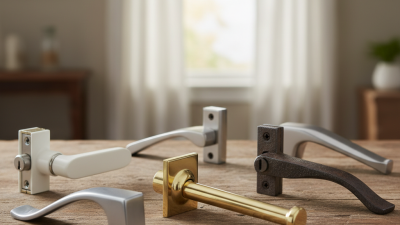
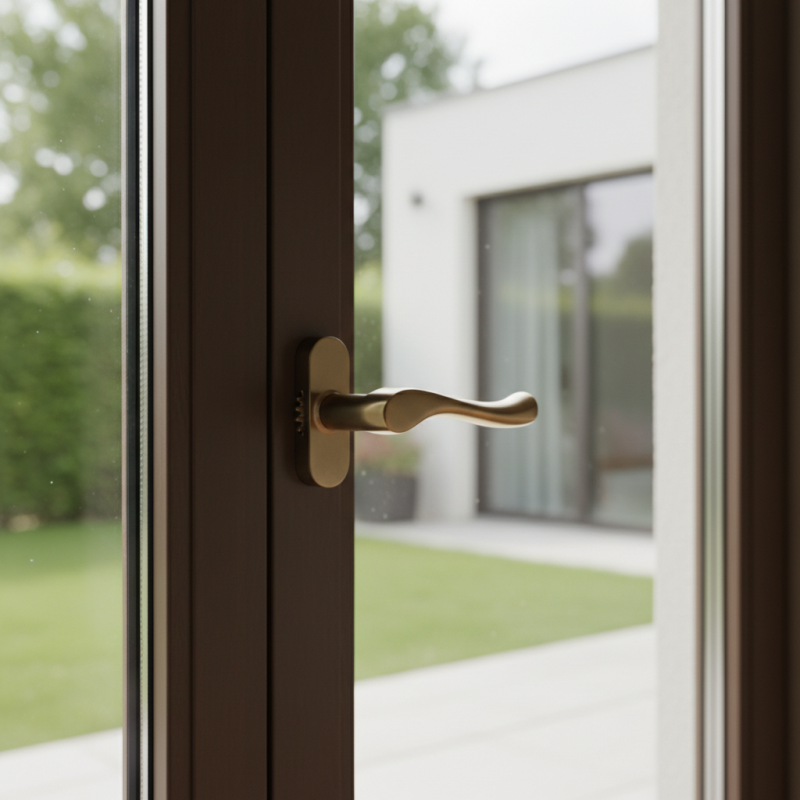
A Window Handle is a crucial component in modern architecture and design. It not only allows for the smooth operation of windows but also enhances the overall aesthetic of a space. According to John Smith, a renowned expert in window hardware, "A Window Handle serves as the bridge between functionality and style." This statement emphasizes the importance of this often-overlooked feature.
When choosing a Window Handle, various factors must be considered. From the material used to its ergonomic design, every detail matters. A poor choice can hinder a window's functionality. In some cases, homeowners might neglect this aspect, leading to disappointing results. For instance, mismatched handles can tarnish a room’s visual appeal.
Understanding how a Window Handle works is essential for both homeowners and professionals. It plays a vital role in providing security and ease of access. However, many people remain unaware of its significance. This oversight can lead to missed opportunities for enhancing their living spaces. Reflecting on these details encourages better design choices.
What is a Window Handle? Definition and Importance in GUI Design
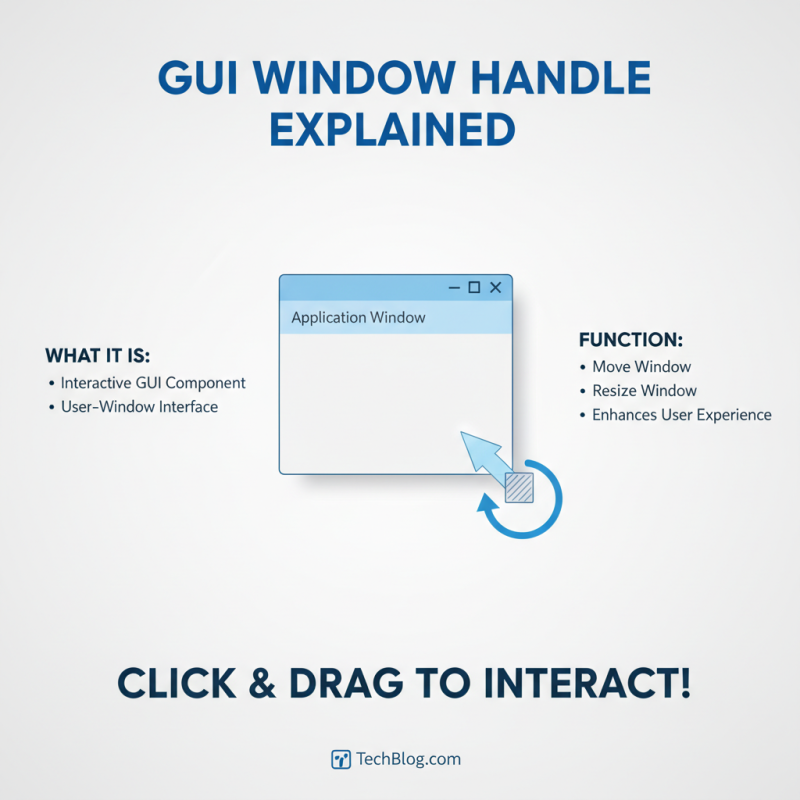
A window handle is an essential component in graphical user interfaces (GUIs). It acts as a point of interaction between the user and the window itself. When you click or drag a window handle, you initiate actions like moving or resizing it. This simple mechanism significantly influences user experience.
In GUI design, a well-designed window handle enhances usability. It should be easy to identify and interact with. Users often overlook the importance of this feature. However, a poorly designed handle can lead to frustration. Users may struggle to engage with windows, diminishing their overall experience.
Creating a window handle involves balancing aesthetics and functionality. It must be visually appealing, yet intuitive to use. Designers should reflect on these elements. Testing with real users often reveals hidden flaws. Observing how people interact with window handles can spark valuable insights for improvement.
The Role of Window Handles in Operating System Architecture
Window handles play a key role in operating system architecture. They act as unique identifiers for different windows in a graphical interface. Each window created by an application gets its own handle, allowing the OS to manage and interact with multiple windows efficiently. This system promotes smooth multitasking, enhancing user experience.
When a user clicks on a window, it sends a message to the OS using this handle. The OS retrieves the necessary information to display the content. This interaction is crucial for windows to respond to user inputs. Sometimes, there might be lag or unresponsiveness. This could be due to excessive resource usage or bugs in the application. Developers must constantly test and refine their code to minimize these issues.
Tips for developers: Always ensure window handles are correctly managed. Memory leaks can occur if handles are not released properly after use. Periodically reviewing code can help identify potential problems. Keep performance in mind while designing user interfaces. A slick, responsive layout can greatly improve how users interact with applications.
What is a Window Handle and How Does it Work? - The Role of Window Handles in Operating System Architecture
| Dimension |
Description |
| Definition |
A window handle is a unique identifier for a window in an operating system, used for interaction and management. |
| Purpose |
Window handles are used to manage window properties, events, and interactions within an OS. |
| Functionality |
They allow applications to control and manipulate windows, such as resizing, minimizing, or closing. |
| Types of Handles |
Main window handles, child window handles, and dialog window handles are common types. |
| Operating Systems |
Windows, macOS, and Linux all utilize window handles for UI management. |
| Creation |
Handles are generated when a window is created and are stored in the OS for reference. |
| Lifecycle |
A handle's lifecycle begins with window creation and ends with its destruction. |
| Performance Impact |
Proper management of window handles can improve application performance and stability. |
How Window Handles Interact with User Interface Components
Window handles serve as crucial components in user interface design. They provide a means for users to interact with various elements within software applications. A window handle essentially refers to an identifier that enhances the usability of a window. It allows users to manipulate the window, like resizing or moving it. However, the connection between window handles and user actions can sometimes be unclear.
When users engage with window handles, the operating system interprets these actions. For instance, clicking on a window handle prompts the system to acknowledge the user's intent. This interaction is not always intuitive. Users may struggle with multiple open windows, leading to confusion. The clarity of each handle's function is vital. If a handle doesn't respond as expected, it can frustrate users and hinder productivity.
Incorporating user feedback into the design of window handles is essential. Designers must consider what users find challenging. Are the handles too small? Do they blend into the background? Addressing these concerns can significantly improve interaction. Ultimately, refining window handle designs hinges on understanding user behavior. Engaging users in the process helps create a more intuitive experience.
Window Handle Interaction Frequency with User Interface Components
Performance Metrics: Efficiency of Window Handles in Application Navigation
Window handles are essential in application navigation. They allow users to interact with different windows seamlessly. The efficiency of these handles greatly impacts user experience. When designed well, they enable smooth transitions between tasks. Users can quickly switch contexts. This accessibility increases productivity.
However, not all window handles perform equally. Some navigation flows may feel clunky. Delays can frustrate users. It's crucial to consider performance metrics when evaluating window handles. Responsiveness is key. A handle that lags can disrupt concentration. Users may lose track of their tasks. Consistency in performance is also vital for effective navigation.
Designers must reflect on these aspects. They should test handles under various conditions. Feedback from users can provide valuable insights. Are handle speeds satisfactory? How intuitive is the navigation? These questions guide improvements. An efficient window handle contributes significantly to a smoother application experience.
Common Issues and Troubleshooting with Window Handles in Software Applications
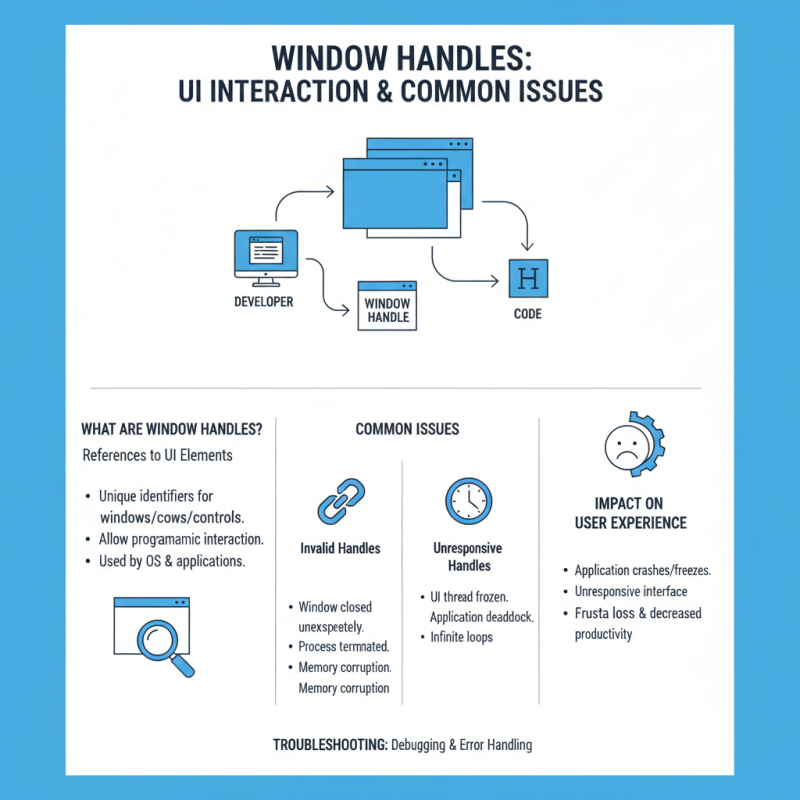
Window handles serve as references to specific UI elements within software applications. They allow developers to interact with various windows programmatically. Common issues arise when these handles become invalid or unresponsive. When this happens, it can hinder user experience significantly.
One frequent problem involves stale handles. This issue occurs when a window is closed, but the handle still exists in memory. As a result, any operations attempting to interact with this handle will fail. Users may find themselves frustrated when trying to click on a button that is, in fact, no longer there. A potential solution is to check the validity of a handle before attempting to use it. Implementing error handling can also help manage such unexpected situations.
Another area to watch is synchronization. When multiple threads access window handles simultaneously, conflicts may occur. This can lead to crashes or freezes. It’s wise to ensure that only one thread accesses the handle at a time. Developers can utilize locks or semaphores to manage access. It is essential to acknowledge that coding mistakes happen. Regular code reviews and testing can help spot these issues early.
Tip: Always validate window handles before use. This can prevent unexpected crashes.
Tip: Use synchronization methods to manage multi-threading. This reduces conflicts and improves stability.