How to Use a Glass L Clamp for Perfectly Secure Glass Installations?
The glass installation industry has seen significant growth, with the market size estimated to reach $165 billion by 2024. Ensuring a perfect fit is critical. A Glass L Clamp offers the necessary secure hold during these installations. This tool eliminates slipping and misalignment that could jeopardize the project.
However, improper use of the Glass L Clamp can lead to costly errors. Many professionals report challenges in achieving even pressure across the glass surface. According to industry surveys, 30% of installers have encountered issues with glass breakage due to insufficient support. Ensuring proper application techniques is vital for a successful outcome.
Experience shows that understanding the strengths and limitations of a Glass L Clamp is essential. It offers reliability, yet its effectiveness hinges on correct positioning. Misjudgments in clamp placement can severely impact the installation. Reflecting on the methodology can enhance overall glass installation processes.

Understanding the Components of a Glass L Clamp
When dealing with glass installations, understanding the components of a Glass L Clamp is crucial. This tool is designed to hold glass panels securely. The clamp features two arms forming an 'L' shape. One arm grips the glass, while the other attaches to a frame or wall. Its simple design makes it user-friendly, yet precise measurements are essential.
The rubber pads on the clamp's gripping arm protect the glass from scratches. These pads also provide a better grip. Misalignment can lead to damage, so take your time. Ensure both arms fit tightly against the glass and the mounting surface. A gap may lead to instability. Remember, not all installations go smoothly. If the clamp doesn’t hold securely, recheck your setup.
Pay attention to the load-bearing capacity of the clamp. Some clamps may not support heavier glass. Using an inadequate clamp can result in unsafe conditions. Always inspect the components regularly. A little wear can compromise safety. Taking care of the details ensures a secure installation.
Preparing Your Workspace for Glass Installation
Preparing your workspace for glass installation is crucial. A clean, organized area is necessary. Remove any clutter that could cause accidents. Ensure good lighting to see any imperfections in the glass. Test your tools before starting the job. This can save time and frustration later.
It’s important to choose a level surface. An uneven base can lead to misalignment. Take time to measure everything carefully. Even a small mistake can lead to larger issues with the installation. Gather all required tools nearby. This includes your glass L clamp, safety gloves, and a measurement tape. Keep safety gear within reach, as glass can be hazardous.
Consider airflow in your workspace. A stuffy environment can make installation difficult. Ventilation can help prevent buildup of dust, which can affect the glass surface. It might feel overwhelming at times. Don’t rush the preparation phase. A rushed setup often leads to mistakes and a longer installation time. A little patience now will pay off later.
Step-by-Step Guide to Using a Glass L Clamp
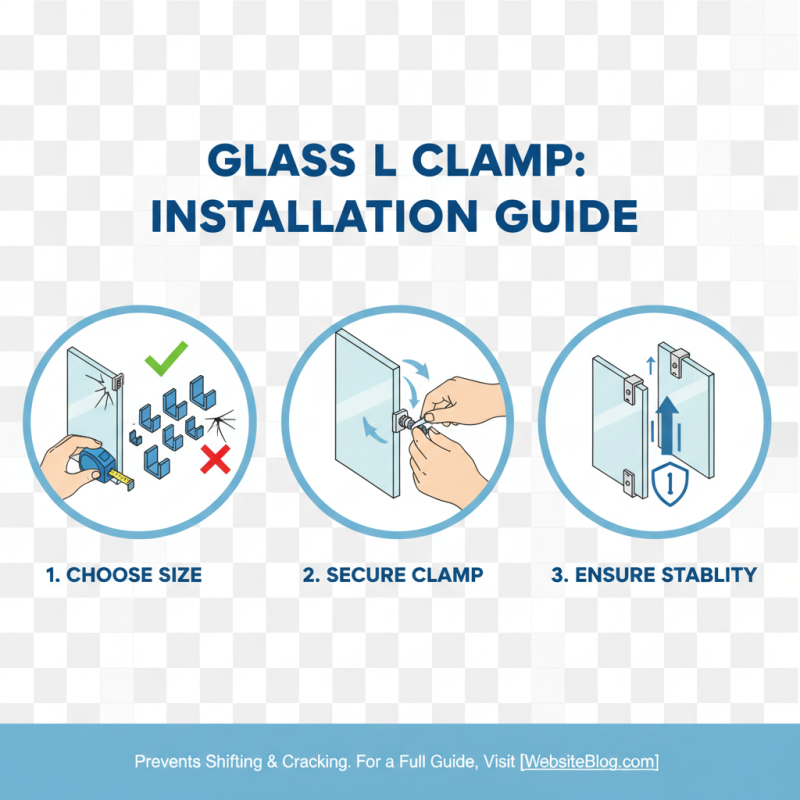
Using a glass L clamp can greatly enhance your glass installation process. This guide will walk you through the steps. Begin by choosing the right clamp size for your glass panels. A well-fitting clamp ensures stability. Too loose, and you risk shifting or cracking the glass.
Next, place the clamp on the glass edge. Make sure it sits evenly without excessive force. You might feel tempted to tighten it too much. This can lead to unwanted stress points on the glass. It’s essential to find a balance. After securing, double-check the alignment. Even a slight misalignment can lead to significant issues later on.
Once everything is in place, step back and evaluate the installation. Look for gaps or uneven spacing. If you notice any imperfections, don’t rush to cover them up. Perfect installation takes time and patience. Adjustments may be required. Remember, a perfect finish often comes from careful observation and willingness to make changes.
Common Mistakes to Avoid When Using a Glass L Clamp
Using a glass L clamp can greatly enhance the security of glass installations. However, there are common mistakes that can compromise this process. One prevalent error is poor positioning. If the clamp is off-center, it can lead to uneven pressure, making the installation less stable. According to industry studies, misalignment accounts for up to 30% of installation failures. Precision is key.
Another mistake involves the amount of pressure applied. Over-tightening the clamp can cause glass to crack or shatter. The tension should be firm yet gentle. A report published by the Glass Association states that improper tensioning is a major cause of damage in up to 25% of installations. Additionally, not using protective padding on the clamp's edges contributes to potential scratches or fractures on the glass surface.
Neglecting regular inspections during use is also a risky practice. A slight shift in the clamp can happen over time, which might remain unnoticed. This oversight can lead to significant failures. Data shows that over time, 15% of installations that don't undergo regular checks suffer from unforeseen collapses. Always pay attention to the details to ensure a secure installation.
Tips for Achieving a Secure Glass Installation with L Clamps
When installing glass, using an L clamp can significantly enhance security. A recent industry report from the Glass Association reveals that improper installations account for 30% of glass failures. To achieve a secure installation, attention to detail is crucial. Begin by selecting the right L clamp size for your glass thickness. Measuring accurately will prevent misalignment, which can lead to cracks.
The angle of the L clamp also matters. Ensure it holds the glass firmly against the frame. Loose clamps may result in flexing, compromising the stability of the glass. Interestingly, 25% of installers report challenges with clamp positioning. This can create gaps affecting insulation and aesthetics. Use silicone sealant to fill any small spaces, as it improves both the look and performance.
Finally, always double-check your installation. A slight oversight could result in costly repairs later. Ensure every screw is tight and the glass is perfectly aligned. Regular training for installing staff can also minimize errors. Consider feedback from peers about their experiences with L clamps. Adjusting techniques based on shared insights may create better outcomes for future projects.