When it comes to choosing and maintaining utility faucets, expert insights can make all the difference. Sarah Johnson, a renowned plumbing specialist with over 15 years of experience in the industry, emphasizes the importance of informed decision-making: "Selecting the right utility faucet is not just about function; it's about finding the perfect balance between durability and efficiency." As homeowners and professionals alike seek the ideal utility faucet for their needs, understanding the key considerations and maintenance tips becomes essential.
Utility faucets serve a multitude of purposes, from gardening to laundry rooms, and their versatility often leads to confusion in choice. With a plethora of options available, knowing what features to look for can streamline the selection process. Moreover, regular maintenance is crucial in ensuring the longevity and efficiency of these faucets, which can save time and resources in the long run. In this guide, we will explore the top 10 tips for choosing and maintaining your ideal utility faucet, helping you to make informed decisions and keep your faucets in optimal condition for years to come.
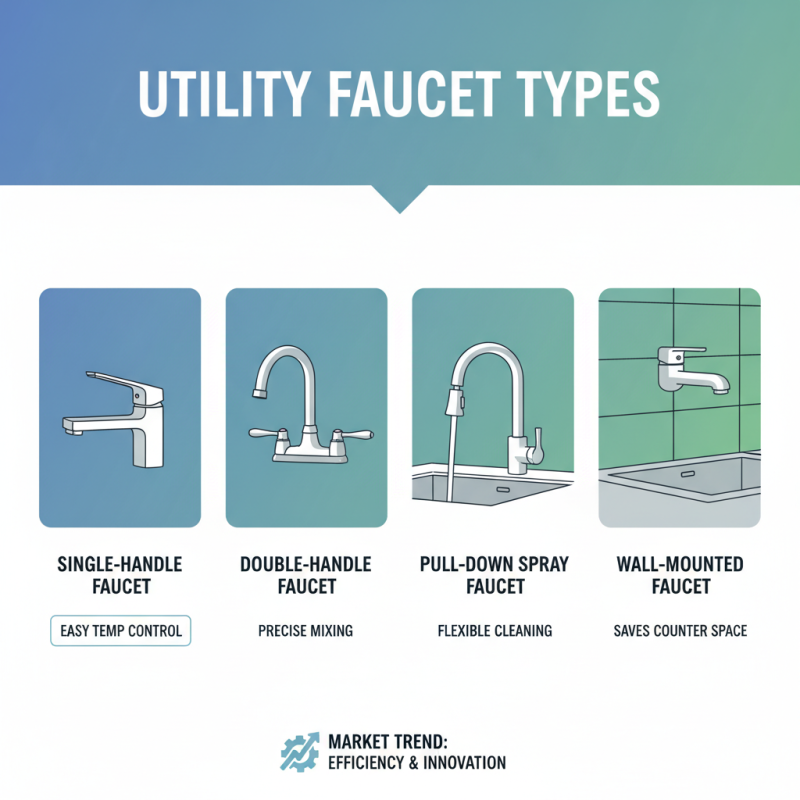
Understanding the different types of utility faucets is crucial for anyone looking to optimize their kitchen or workspace. Utility faucets typically come in several variations, including single-handle faucets, double-handle faucets, pull-down spray faucets, and wall-mounted faucets. According to a recent market research report, the utility faucet market is projected to grow steadily, with rising demand for efficient water usage and innovative designs. Each type has its own set of advantages; for example, pull-down spray faucets offer flexibility and are ideal for rinsing large pots, while wall-mounted options save counter space.
When choosing a utility faucet, consider your usage frequency and style preferences. One key tip is to ensure that the faucet height and reach suit your sink dimensions to prevent splashing and ensure ample workspace. Moreover, selecting a faucet with a high arc spout increases convenience for filling large containers. Maintenance is also essential for longevity; regularly cleaning aerators and checking for leaks can enhance performance. Another tip is to opt for corrosion-resistant materials to withstand kitchen environments, ensuring your faucet remains in good condition over time.
In summary, understanding the various types of utility faucets and keeping maintenance tips in mind will help in making an informed choice that balances functionality and aesthetics for your space. With the right faucet, you can significantly enhance efficiency, making your daily tasks easier and more enjoyable.
When it comes to selecting the right utility faucet, several key factors should guide your decision. First and foremost, consider the faucet's functionality and application. According to a recent report by the National Kitchen and Bath Association (NKBA), over 87% of homeowners prioritize functionality as a primary factor in their faucet choice. This means you need to evaluate whether the faucet will primarily serve cooking, cleaning, or other specific tasks in your kitchen or laundry space. Choosing a faucet that caters specifically to its intended use can enhance efficiency and overall satisfaction.
Another critical aspect is water efficiency, which has become increasingly significant given the push for sustainability in home design. The U.S. Environmental Protection Agency (EPA) estimates that adopting water-efficient fixtures can reduce a household's water usage by up to 30%. Look for faucets that feature the WaterSense label or similar certifications indicating they meet strict efficiency standards without compromising performance. By prioritizing eco-friendly options, you not only contribute to environmental preservation but may also benefit from lower utility bills, making your investment more sustainable in the long run.
| Tip Number | Tip Description | Considerations | Maintenance Advice |
|---|---|---|---|
| 1 | Choose the right finish | Consider durability and your kitchen's style. | Clean regularly to maintain shine. |
| 2 | Check the spout height | Ensure it fits under standard cabinets. | Wipe down to remove mineral buildup. |
| 3 | Select the right handle type | Choose based on ease of use and access. | Inspect regularly for looseness. |
| 4 | Evaluate flow rate | Aim for efficiency without sacrificing pressure. | Periodic checks to ensure flow remains consistent. |
| 5 | Consider installation complexity | Decide between DIY or professional help. | Follow manufacturer guidelines closely. |
| 6 | Look for warranty options | Consider long-term investment and peace of mind. | Keep warranty information accessible for future issues. |
| 7 | Opt for a pull-down sprayer | Great for flexibility in cleaning and rinsing. | Check hose for kinks and leaks frequently. |
| 8 | Prioritize ease of operation | Consider touchless or single-handle options. | Regularly clean sensors if using touchless. |
| 9 | Assess compatibility with your sink | Ensure the faucet fits perfectly with the cutout. | Re-tighten fittings as needed over time. |
| 10 | Research user reviews | Learn from the experiences of other customers. | Check for common complaints or maintenance tips. |
When it comes to selecting a high-quality utility faucet, there are essential features to consider that can significantly enhance your experience. First and foremost, the material of the faucet plays a crucial role in durability and performance. Opt for models made from brass or stainless steel, as these materials resist corrosion and stand up to daily wear and tear. Additionally, look for a finish that will resist tarnishing and staining, avoiding finishes that may degrade over time.
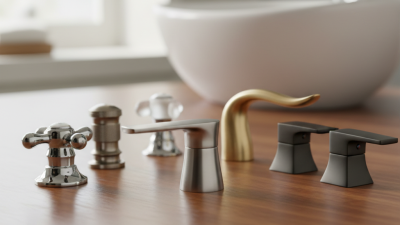
Another important feature to consider is the type of handle and control mechanism. Choose a faucet with lever handles for ease of use, especially when your hands are full or dirty. A single-handle design can offer simplicity and better control over temperature and water flow. Moreover, ensure that the faucet has a smooth operation and a reliable drip-free valve, which can save water and reduce leakage issues in the long run.
When it comes to maintenance, proper care can prolong the lifespan of your faucet. Frequently inspect for any leaks or signs of wear, and clean the faucet regularly with non-abrasive cleaners to keep it looking new. Additionally, consider flushing the system occasionally to remove any debris that could clog the aerator. These simple tips will help you maintain an efficient and functional utility faucet for years to come.
When it comes to maintaining your faucet, regular care is essential for prolonging its lifespan and ensuring optimal performance. One of the simplest yet most effective maintenance tips is to routinely check for leaks, which can lead to water waste and increased utility bills. By inspecting the faucet regularly and addressing any dripping or leaking immediately, you can prevent further damage and costly repairs.
Additionally, ensure that the faucet aerator is cleaned periodically to avoid mineral buildup, which can restrict water flow and affect water pressure.
Another crucial maintenance practice is to avoid using harsh chemical cleaners that can corrode the faucet’s finish and internal components. Instead, opt for gentle cleaning solutions or a mixture of vinegar and water to effectively remove grime without causing harm. Furthermore, it helps to periodically check and replace washers and O-rings, as they can wear out over time and lead to leaks. By implementing these straightforward maintenance tips, you can enhance the durability of your faucet, ensuring it continues to function effectively for years to come.
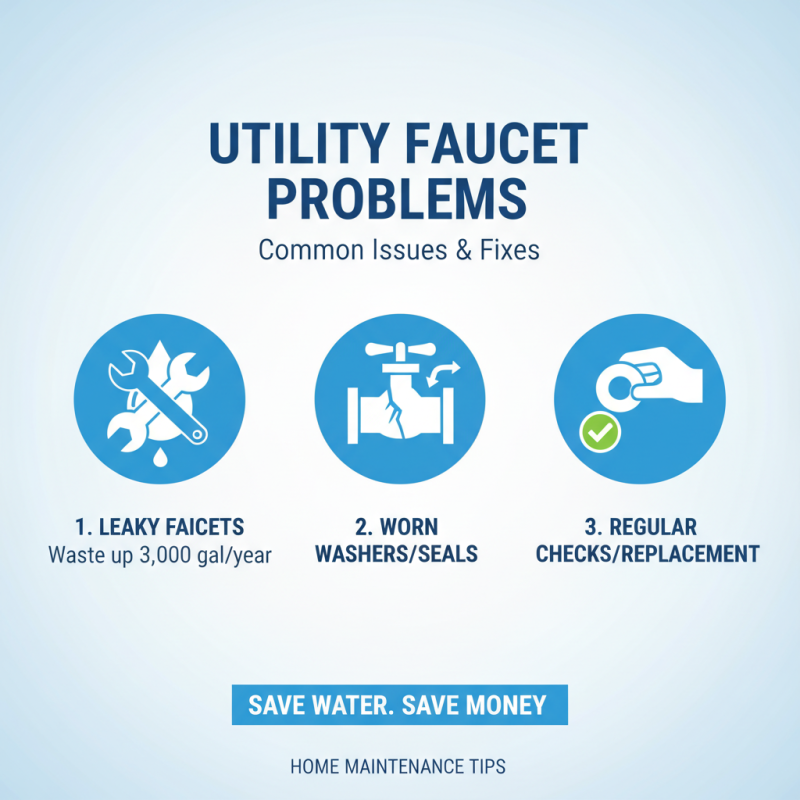
When it comes to utility faucets, common issues can often derail your home maintenance plans. Leaky faucets are among the most prevalent problems, with reports indicating that they can waste gallons of water daily—up to 3,000 gallons per year in some cases. The main culprits typically involve worn-out washers or seals. Regular checks and timely replacements can prevent minor leaks from escalating into major headaches. Keeping an eye on your faucet's performance not only conserves water but also saves money on your utility bills.
Another common challenge is low water pressure, which may stem from clogs in the aerator or supply lines. Cleaning or replacing a clogged aerator is a straightforward DIY task that can significantly enhance water flow. A study by the American Society of Plumbing Engineers noted that 20% of homes experience low water pressure issues, indicating the importance of proactive faucet maintenance.
As you maintain your utility faucet, consider these tips: Ensure all connections are tight to prevent leaks, inspect hoses for wear and tear, and regularly clean components to remove mineral deposits. Such practices not only extend the lifespan of your faucet but also ensure it operates at optimal efficiency, reducing the likelihood of common issues.