When working on projects that involve glass, having the right tools is essential. One crucial tool is the Glass L Clamp. This clamp offers excellent support and stability for glass installations. It ensures precise alignment and keeps your glass panels secure during your work.
The market offers an array of options, each varying in design and functionality. Choosing the best L clamp can be daunting. It's important to consider factors like material strength, grip, and ease of use. These details can significantly affect the outcome of your projects. Ideally, the right Glass L Clamp should simplify your tasks, allowing you to focus on quality craftsmanship.
However, it's easy to overlook the importance of selecting a reliable clamp. Some may rush into buying the cheapest option available, leading to frustration later. Investing time in research pays off in the long run. With careful selection, you can enhance your projects and ensure your glass pieces are handled with care.
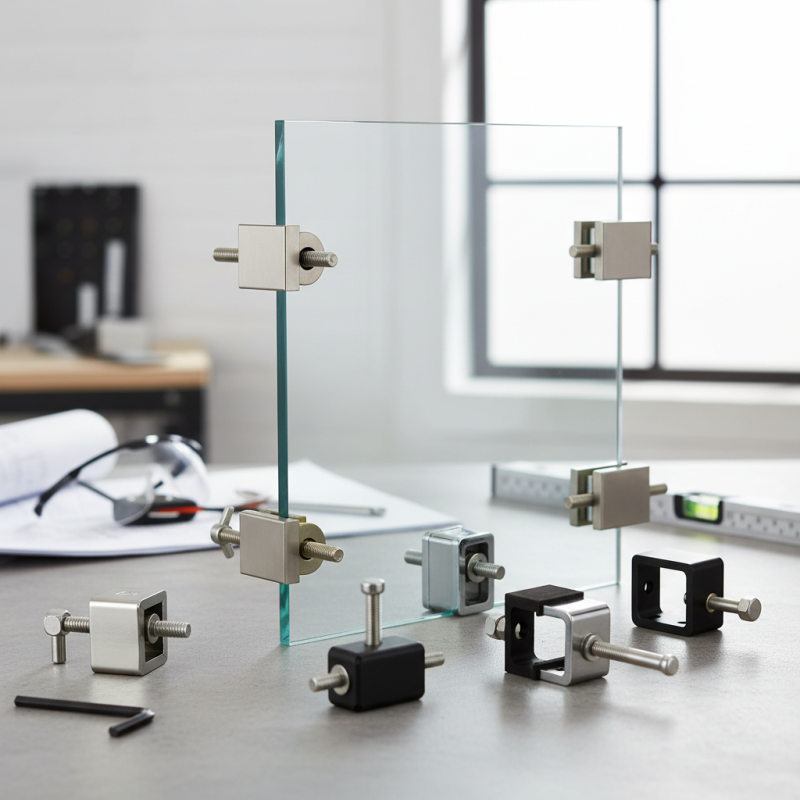
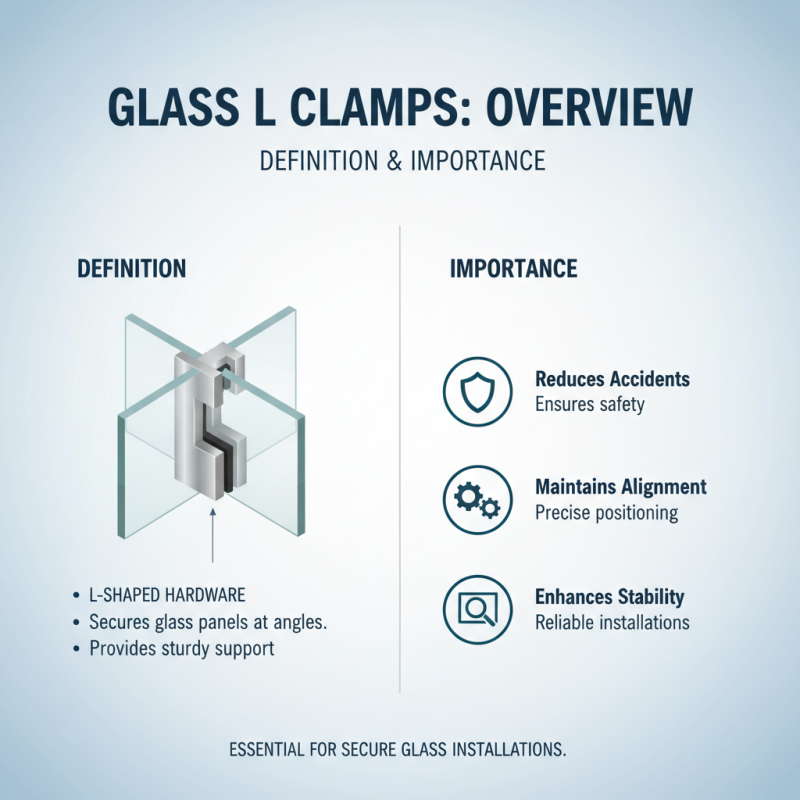
When working on glass installations, using the right tools is crucial. Glass L clamps are essential hardware designed specifically for securing glass panels at angles. They offer sturdy support, ensuring the glass maintains its position during installation. A reliable clamp keeps everything aligned, which reduces the risk of accidents. This is especially important in environments where glass is a focal point.
The use of L clamps can greatly enhance the safety and aesthetics of glass projects. However, not all clamps are created equal. Sometimes, users overlook the quality of the material, leading to unexpected failures. A poor clamp can result in cracked panels or, worse, injuries. It’s vital to scrutinize each piece of hardware carefully for durability and reliability.
Understanding the nuances of glass L clamps can also distinguish novice users from seasoned professionals. Knowledge of the various types and their specific applications is key. Many users fail to consider how factors like weight and thickness of the glass impact their choice of clamps. A thoughtful selection process can prevent common pitfalls and ensure project success.
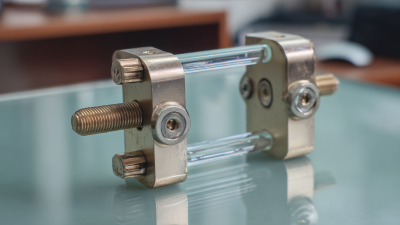
When selecting glass L clamps for your projects, it's essential to focus on key features to ensure quality and reliability. Look for clamps made from high-grade materials like stainless steel or aluminum. These materials provide strength and durability. A study from the International Journal of Advanced Manufacturing Technology highlights that high-quality materials can enhance clamp longevity by up to 30%.
Another crucial feature is the clamp's grip. A good L clamp should offer a secure yet gentle hold on glass without causing damage. The well-designed rubber pads provide stability while protecting the glass surface. An industry report indicates that nearly 40% of glass breakages occur during setup, indicating how vital a good grip is in preventing accidents.
Also, consider the ease of use. A clamp should be simple to adjust, even for beginners. If you find a clamp complicated, it can slow down your project. Invest time in researching user reviews and guides to evaluate performance. According to a survey conducted by the Construction Equipment Guide, user-friendly tools lead to a 25% increase in productivity. Therefore, taking the time to choose wisely can save time and frustration in your glass projects.
| Clamp Model | Material | Max Glass Thickness | Weight Capacity | Key Features |
|---|---|---|---|---|
| Model A | Aluminum | 10 mm | 50 kg | Lightweight, Adjustable Range, Anti-Slip Grip |
| Model B | Stainless Steel | 12 mm | 70 kg | Corrosion Resistant, High Strength, Quick Release |
| Model C | Plastic | 8 mm | 30 kg | Affordable, Lightweight, Easy to Use |
| Model D | Die-Cast Zinc | 15 mm | 100 kg | Heavy Duty, Enhanced Stability, Multi-Angle Adjustment |
| Model E | Composite | 10 mm | 45 kg | Versatile Use, Protective Pads, Easy Grip |
When working with glass projects, choosing the right
L clamps is essential. These tools provide crucial support for
stiffening joints and ensuring safety. According to a report by Industry Insights, L clamps can
reduce the risk of glass breakage by up to 30%. This statistic highlights
their importance in construction and design.
There are several types of Glass L clamps available. Some are more suited for
heavier projects, while others work well with lighter installations. It’s important to select clamps that can handle
the specific weight and stress your project demands. Technical specifications can often guide these choices. For example,
clamps made from high-strength polymers can offer significant durability. They are also resistant to rust and wear,
which enhances their reliability over time.
Using clamps improperly can lead to failures. Poor alignment or inadequate pressure can compromise the integrity of
the joint. Reports suggest that 15% of accidents during installations
occur due to equipment malfunction or misuse. This highlights the necessity of not just having quality clamps, but
also employing them correctly. Always ensure your equipment meets safety standards to mitigate risks during your projects.
When evaluating L clamps for glass projects, material durability and performance are crucial. Industry reports indicate that aluminum and stainless steel are common choices. Aluminum clamps are lightweight and resist corrosion, but they may not offer the same strength as stainless steel. In contrast, stainless steel boasts excellent structural integrity. However, its weight can be a downside for some applications.
A recent survey revealed that about 75% of professionals prefer stainless steel for heavy-duty tasks due to its longevity. Yet, users have noted the increased difficulty in handling due to the added weight. Choosing the right material often depends on the specific needs of the project.
Performance is also linked to design. Many L clamps feature rubber padding to protect the glass surface. This ensures that the clamp holds securely without causing damage. Some users reported issues with pads wearing out, raising questions about replacement options. Ultimately, understanding the balance between material and design aids in making informed decisions.
Glass L clamps are essential tools in construction and design projects involving glass materials. Proper use and maintenance play a crucial role in their effectiveness and longevity. According to industry reports, between 70-80% of glass-related accidents stem from improper handling. This staggering statistic highlights the need for adopting best practices when utilizing these clamps.
To begin with, ensure that the clamps are selected based on glass thickness. Measurements can vary significantly; a poorly fitted clamp may lead to breakage or accidents. Regular inspections are also vital. Check for wear and corrosion. A study notes that consistent maintenance can increase the lifespan of clamps by up to 40%. Additionally, proper cleaning after each use prevents buildup and maintains grip alignment.
In terms of usage, always tighten clamps evenly to distribute pressure. Over-tightening can lead to glass stress failures. When dealing with heavy panels, consider using support devices to alleviate strain. Remember, even the best clamps require periodic evaluation. Emphasizing these practices enhances project success and safety.