Top Glass Clamp Types for Optimal Use and Installation Techniques?
In the world of glass installation, choosing the right type of Glass Clamp is crucial. Renowned expert, John Stevens, states, "The right Glass Clamp can make or break your project." His insight highlights the importance of selecting appropriate clamps for safety and aesthetics.
Glass Clamps come in various types, each serving unique purposes. From U-shaped to flat clamps, understanding their functions is essential for optimal use. Additionally, installation techniques are equally important. Improper installation can lead to failures, risking both safety and materials.
The choice of a Glass Clamp should not be taken lightly. It's a decision that reflects both skill and creativity. Every project presents its own challenges, requiring reflection on choices made. Ultimately, the right clamp can enhance a design while ensuring durability.
Top Glass Clamp Types for Optimal Use and Installation Techniques
When selecting glass clamps, understanding the options can greatly enhance installation. There are various types, each suited for different settings. For instance, adjustable clamps allow for slight modifications in glass placement. This flexibility is vital in uneven surfaces.
Tips: Choose clamps that feature rubber padding. This minimizes glass slipping and prevents damage. Ensure the clamps match the thickness and weight of the glass panels. Underestimating this can lead to serious issues.
Installation techniques vary. For a snug fit, align your clamps carefully. Using a level will help achieve straight lines. Always double-check measurements to avoid errors. Mistakes here can create gaps or misalignments.
Tips: Utilize a drill with proper bits for accuracy. When installing, use soft grips to prevent slipping. Remember, haste makes waste. Take your time to re-evaluate placement. Ensuring proper alignment can be challenging but is essential for safety and aesthetics.
Understanding the Importance of Glass Clamps in Architectural Design
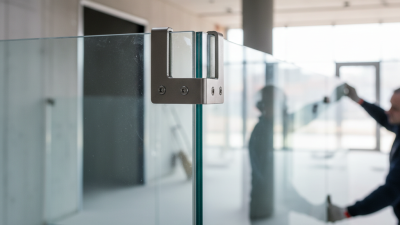
Glass clamps play a crucial role in architectural design. They secure glass panels in various applications, ensuring stability and safety. Designers rely on them for both aesthetic and functional purposes. The choice of glass clamp type can influence the overall look and strength of a structure.
When selecting glass clamps, consider the environment. Outdoor settings require clamps that resist corrosion. Indoor designs might focus more on aesthetics. Always pay attention to the weight and thickness of the glass. Not all clamps can handle every type of glass.
**Tips:** Ensure to check the manufacturer's recommendations. This can make a difference in installation. Use the right tools for a clean, secure fit. Measure precisely before installation. Overlooking these details can lead to problems down the line. Always have a backup plan for unexpected issues during the installation process.
Top Glass Clamp Types for Optimal Use and Installation Techniques
| Clamp Type |
Material |
Load Capacity |
Ideal Applications |
Installation Techniques |
| Fixed Glass Clamps |
Stainless Steel |
Up to 200 kg |
Glass Railings, Shower Enclosures |
Use of anchors and silicone for secure fitting |
| Adjustable Glass Clamps |
Aluminum Alloy |
Up to 150 kg |
Storefronts, Partitions |
Simple screw adjustments for glass thickness |
| Corner Glass Clamps |
Brass |
Up to 100 kg |
Glass Walls, Corner Showers |
Check for proper angle and secure via screws |
| U-Clamps |
Plastic |
Up to 50 kg |
Indoor Glass Installations, Lightweight Panels |
Ensure even distribution of weight |
Comparative Analysis of Different Glass Clamp Materials and Their Properties
When selecting glass clamps, the material matters significantly. Common materials include stainless steel, aluminum, and plastic. Each has unique properties that influence performance. Stainless steel is strong and resistant to corrosion. Yet, it can be heavy and more expensive. Aluminum is lightweight and affordable. However, it may not offer the same durability as steel.
Plastic clamps are easy to install and are often used for lightweight applications. They come in various colors and designs. But their strength can be a concern under heavy loads. Choosing the wrong material could lead to failures. This is a crucial decision for any installation.
Testing different types reveals challenges. For example, the wrong clamp may cause glass to crack. Over time, clamping pressure can decrease, especially with plastic. Understanding the properties of each material will improve overall installation quality. Proper selection ensures safety and longevity of the installation.
Step-by-Step Installation Techniques for Enhanced Stability and Safety
When it comes to glass clamp installation, stability and safety are paramount. Industry reports indicate that improper installation can lead to accidents; around 30% of glass-related injuries stem from inadequate securing methods. Thus, following clear, step-by-step techniques is essential.
Start by measuring your glass panel accurately. Any slight miscalculation can compromise overall stability. Secure the clamps tightly, but avoid over-tightening. Over-tightening can lead to stress fractures in the glass. A good practice is to use rubber spacers to prevent direct contact with the metal clamps. This reduces the risk of breakage and enhances the durability of the installation.
Once the clamps are in place, check the level. A slight tilt may seem minor, but it can affect the integrity over time. Ensure that the installation surface is clean and flat. Any debris can create gaps, leading to instability. Regular inspection is also crucial. Some clamps may loosen over time, especially in high-use areas. Adopting a proactive approach can significantly improve safety and performance.
Key Industry Standards and Regulations for Glass Clamp Applications
When installing glass clamps, it is crucial to adhere to industry standards. These regulations ensure safety and reliability. Understanding the specifics of each standard is key. For instance, the thickness and type of glass can determine the right clamp choice. Failing to match these requirements could lead to significant safety risks.
Installation techniques must also reflect these standards. Proper alignment is essential. Using tools that secure the glass accurately can avoid leaks and potential breakage. Additionally, regular inspections help maintain integrity over time. It's easy to overlook minor adjustments; this could be detrimental in the long run.
Every project is unique. The environment influences the installation process. Factors include weather, glass weight, and stress distribution. Reflecting on previous installations may highlight areas for improvement. It’s important to learn from each installation to enhance future projects. Noticing small details can lead to better overall results and increased safety.
Conclusion
This article explores the various types of glass clamps essential for optimal use in architectural design. It emphasizes the importance of glass clamps in ensuring safety and stability in glass installations. The comparative analysis delves into different materials used for glass clamps, highlighting their properties and suitability for various applications.
Moreover, the article provides step-by-step installation techniques that enhance the overall safety of glass structures. It also outlines key industry standards and regulations that govern the use of glass clamps, ensuring compliance in architectural projects. Lastly, maintenance best practices are discussed to help prolong the lifespan of glass clamps, ensuring they remain effective and reliable in their applications.