Top Faucet Lever Styles for Your Bathroom Upgrade
When considering an upgrade for your bathroom, it’s essential to pay attention to the details that can redefine the space's overall aesthetic and functionality. One such detail that often goes unnoticed is the faucet lever. The right faucet lever can serve as a stylish focal point, enhancing the overall design while providing practical benefits. In this guide, we will explore the top faucet lever styles that cater to various tastes and bathroom themes, ensuring you find the perfect match for your renovation project.
From modern minimalist designs to classic traditional options, the diversity in faucet lever styles allows homeowners to express their personal style while improving their bathroom experience. Choosing the right faucet lever not only contributes to the visual appeal of your sink area but also impacts usability and comfort. Whether you're aiming for sleek sophistication or charming vintage decor, understanding the different styles available can help you make informed decisions that elevate your bathroom’s ambiance. Let’s dive into the world of faucet levers and discover how they can transform your space.
Popular Faucet Lever Designs for Modern Bathrooms
When considering a bathroom upgrade, selecting the right faucet lever design is crucial to blending aesthetics with functionality. Recent reports from the National Kitchen and Bath Association indicate that contemporary faucet styles have shifted dramatically, with sleek, minimalist designs gaining 60% preference among homeowners renovating their spaces. This trend aligns with the broader move towards modern aesthetics in which simple, clean lines help create a serene and uncluttered environment.
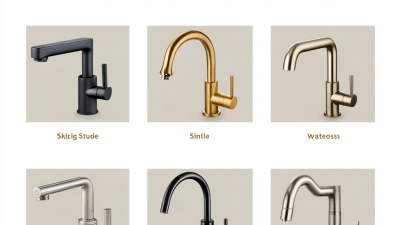
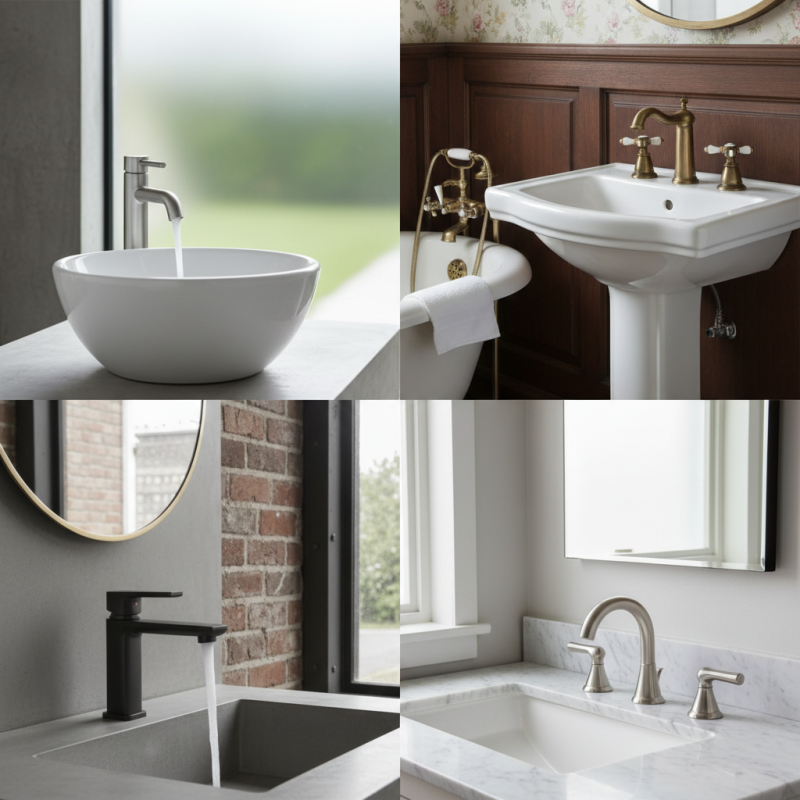
Among the popular designs, single-handle faucets have surged in popularity, largely due to their ease of use and contemporary appeal. Research indicates that 75% of homeowners choose this style for its convenience, allowing for quick adjustments to water temperature and flow. Additionally, lever handles, especially those with geometric shapes, not only enhance usability but also complement modern interior designs. Many consumers are gravitating towards brushed nickel and matte black finishes, as these materials not only provide durability but also offer a sophisticated look that seamlessly integrates with various bathroom styles.
Moreover, the functionality of faucets has become increasingly important, with 80% of users citing ease of cleaning and maintenance as key factors in their decision-making process. Lever handles equipped with touchless technology and ergonomic designs are on the rise, catering to the demands for hygiene and user-friendly options. As homeowners continue to prioritize both form and function in their renovations, the selection of faucet lever designs will undoubtedly play a pivotal role in defining the modern bathroom experience.
Understanding Different Faucet Lever Mechanisms
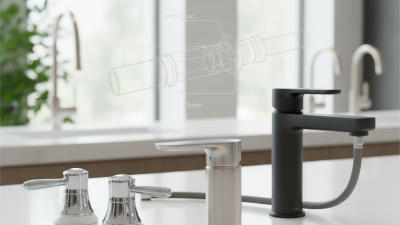
When it comes to upgrading your bathroom faucet, understanding the different lever mechanisms can significantly impact both functionality and aesthetics. The most common types of faucet levers include single-handle, double-handle, and touchless mechanisms. A report by the National Kitchen and Bath Association (NKBA) states that single-handle faucets account for approximately 45% of all faucet sales due to their convenience and ease of use. This type typically operates via a cartridge or ball mechanism, making it ideal for quick temperature adjustments with one swift motion.
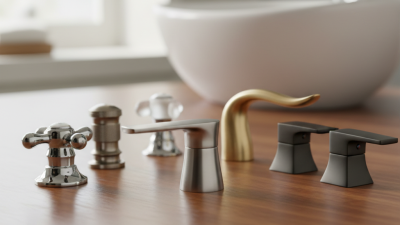
Double-handle designs continue to be popular as well, primarily for traditional and vintage-inspired bathrooms. They provide separate controls for hot and cold water, allowing for precise temperature settings. According to industry experts, this can enhance user satisfaction, as consumers often prefer the tactile feedback of turning two distinct knobs. Additionally, touchless faucets have gained traction in recent years, reported to comprise 20% of new bathroom fixtures. With a simple wave of the hand, these faucets activate without physical contact, promoting hygiene and water conservation. The growing trend towards touchless technology highlights a shift in consumer preferences, where convenience and cleanliness are at the forefront of bathroom design considerations.
Top Faucet Lever Styles for Your Bathroom Upgrade
Choosing the Right Material for Your Faucet Lever
When upgrading your bathroom, selecting the right material for your faucet lever is crucial to achieving both aesthetics and functionality. The most common materials used for faucet levers include stainless steel, brass, and plastic. Stainless steel is a popular choice due to its durability and resistance to corrosion, making it ideal for high-moisture environments like bathrooms. Additionally, it provides a sleek, modern appearance that can complement various design themes.
Brass is another excellent option, valued for its classic look and solid weight. It develops a beautiful patina over time, adding character to your bathroom. While brass handles tend to be more expensive, their longevity and traditional appeal can enhance the overall charm of your space. For a budget-friendly solution, plastic levers are lightweight and easy to install, but they may not offer the same longevity or aesthetic appeal as their metal counterparts. Choosing the right material ultimately depends on your personal style, maintenance preferences, and budget considerations.
Top Faucet Lever Styles for Your Bathroom Upgrade - Choosing the Right Material for Your Faucet Lever
| Lever Style |
Material |
Durability |
Maintenance |
Style Preference |
| Single Handle |
Brass |
High |
Low |
Modern |
| Dual Handle |
Stainless Steel |
Very High |
Moderate |
Classic |
| Touchless |
Plastic |
Moderate |
High |
Futuristic |
| Lever Handle |
Zinc Alloy |
Moderate |
Low |
Traditional |
| Cross Handle |
Bronze |
High |
Moderate |
Vintage |
Comparing Single and Double Lever Faucets
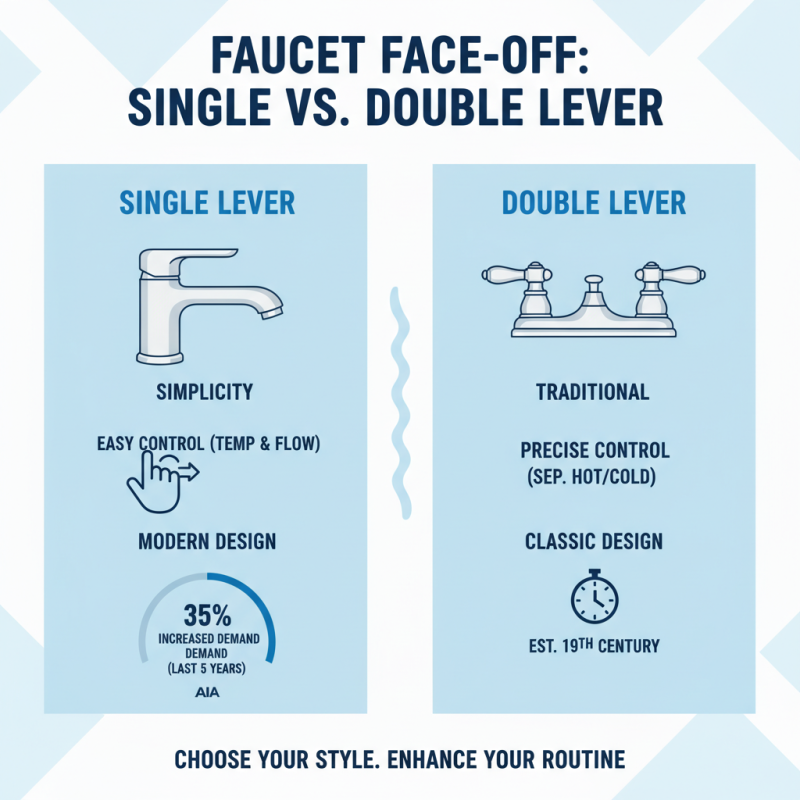
When considering a bathroom upgrade, the choice between single and double lever faucets can significantly impact both functionality and aesthetics. Single lever faucets, known for their simplicity, allow for easy temperature and flow control with just one hand, making them popular in modern bathroom designs. According to the American Institute of Architects, single lever faucets have seen a 35% increase in demand over the last five years, reflecting a growing preference for minimalist styling and ease of use. This trend is driven by homeowners’ desire for streamlined spaces that enhance daily routines.
On the other hand, double lever faucets provide distinct control over hot and cold water, which many users appreciate for precise adjustments. While they require both hands for operation, the design allows for a classic look that can complement traditional and vintage bathroom styles. A report from the National Kitchen and Bath Association indicates that double lever faucets account for approximately 45% of faucet sales in the renovation market, demonstrating their enduring appeal despite the rising popularity of single lever models. Ultimately, the choice between single and double lever faucets will depend on personal preference and the overall design goals for the bathroom space.
Tips for Installing a New Faucet Lever in Your Bathroom
When installing a new faucet lever in your bathroom, preparation is key to ensuring a smooth process. Start by gathering all necessary tools, including a basin wrench, adjustable pliers, and plumber's tape. Before removing your old faucet, turn off the water supply and open the tap to relieve any pressure. This step will prevent any messy surprises once you begin your installation.
Once you have your new faucet lever ready, carefully remove the old one by unscrewing any mounting hardware. Clean the sink area to remove any debris or old sealant, ensuring a proper fit for your new lever. Apply plumber's tape to the threads of the new faucet to prevent leaks, and then secure it in place, carefully tightening it with your basin wrench. Finally, turn on the water supply and test the new faucet lever for smooth operation, adjusting as necessary to ensure everything functions perfectly.