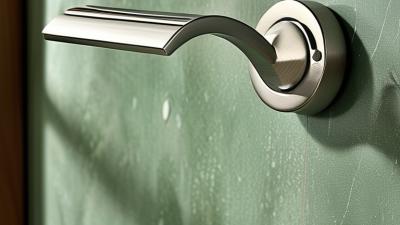
A Window Handle may look like a small finishing detail, yet it affects how a window opens, closes, and feels in daily use. Buyers comparing casement, tilt-and-turn, sliding, and sash windows should check more than appearance. Spindle length, fixing positions, handing, locking style, and material all influence whether a handle fits and works reliably. A brushed-metal lever can look right in a showroom, then feel awkward on a narrow frame.
The U.S. Department of Energy’s Energy Saver guidance estimates that heat gain and heat loss through windows account for about 25%–30% of residential heating and cooling energy use. That figure concerns the window assembly, not the handle alone. Still, the hardware helps users close and operate the sash as intended. The National Fenestration Rating Council’s window performance resources also focus on whole-window ratings, such as U-factor and solar heat gain coefficient. These ratings do not certify a handle’s quality, so buyers should assess hardware separately.
This guide introduces ten common handle types and explains where each tends to fit. It considers grip, operation, compatibility, durability, and security features without treating one design as best for every home. Check the existing handle before ordering: measure its spindle and screw spacing, and note how the window opens. Small details matter. One caveat remains: product names vary between manufacturers, and a familiar label does not guarantee a matching fit.
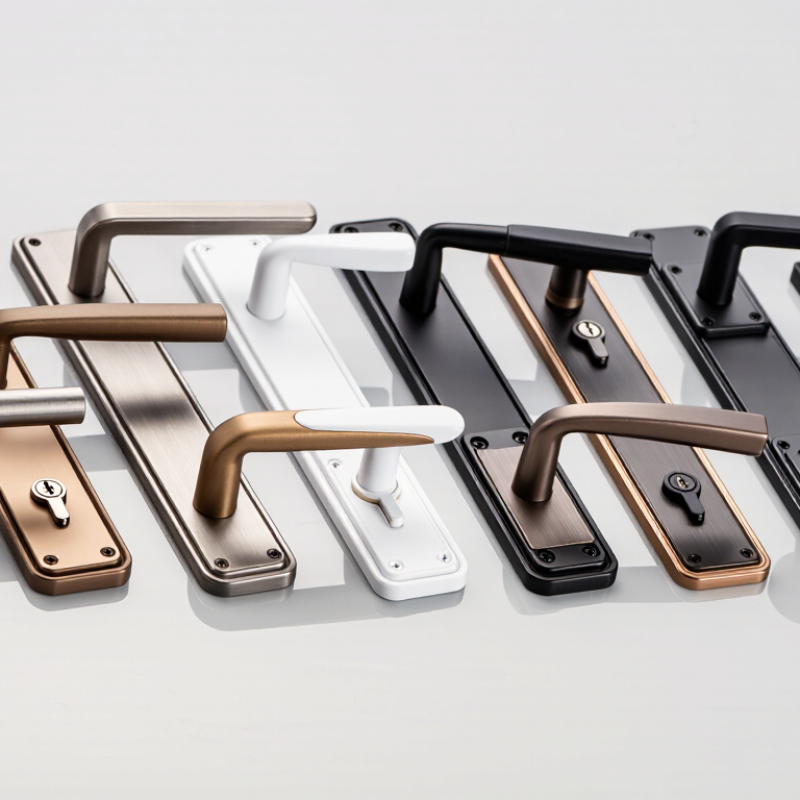
A window handle is a small control with a mechanical job: it transfers hand movement to the sash, hinges, gears, or locking points. On a casement window, turning a crank rotates a gearbox and moves the sash outward. A lever handle may turn an espagnolette mechanism, engaging several locking points along the frame. Tilt-and-turn designs use handle position to select different opening modes. The details vary, but smooth movement and secure engagement matter.
Small part. Big effect.
A handle cannot repair a warped frame or worn seal. Still, when its locks pull the sash evenly against the weatherstripping, it can support a tighter closure. The U.S. Department of Energy’s Energy Saver guidance estimates that heat gain and loss through windows account for about 25–30% of residential heating and cooling energy use. That figure covers the whole window, not the handle alone. It is a useful reminder not to overstate hardware’s role. The AAMA/WDMA/CSA 101/I.S.2/A440 window-performance standard includes operational-force and air-leakage criteria, underscoring why buyers should check both comfortable operation and the complete window’s performance. Test the handle in person if possible: it should turn without forcing, and the sash should close without a hard shove. A little resistance can be normal. Guessing from appearance alone is not enough.
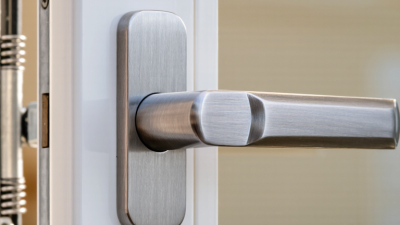
Window handles work best when matched to the sash movement and locking system. An espagnolette handle turns a multipoint lock, common on modern casement windows. A cockspur handle presses against a wedge, often on older frames. Tilt-and-turn handles select between inward tilting and full opening. Casement crank handles wind sashes outward; awning cranks serve top-hinged windows. Small details matter.
Sliding windows usually use a compact pull or lift handle, giving fingers room without obstructing the track. Sash lifts help raise vertically sliding windows, while sash locks secure the meeting rails. Folding handles sit flatter against the frame, useful where blinds or narrow spaces interfere. Keyed locking handles add a lock, but they cannot fix a worn seal. That distinction is easy to miss.
Choose by checking spindle length, fixing-hole spacing, handing, and frame clearance before ordering. U.S. Department of Energy Energy Saver guidance estimates that heat gain and loss through windows account for about 25–30% of residential heating and cooling energy use. A handle alone does not deliver those savings, but on some designs, firm locking helps the sash meet its seals. Check the window’s operation and seal condition, too. I would not assume every replacement handle fits, even when it looks identical.
Typical Window Applications by Handle Type
Bars count the typical window applications listed for each handle type, not sales, popularity, or market share. Compatibility varies by window profile and hardware, so check the handle’s spindle, fixing positions, and locking mechanism before buying.
Window handles vary in shape, material, and how they operate the window. Common styles include casement cranks, espagnolette handles, tilt-and-turn handles, cockspur handles, sash lifts, sash locks, flush pulls, push-button handles, folding handles, and keyed locking handles. Check the existing mechanism before choosing a replacement; a handle that looks right may have the wrong spindle length or fixing positions.
Aluminum is lightweight and resists corrosion, while stainless steel suits damp rooms and frequent use. Zinc alloy allows detailed shapes at a moderate cost, but its coating can wear where fingers repeatedly touch. Brass offers a warmer, heavier feel. Nylon is light and often used for simpler designs. Finishes include polished chrome, brushed nickel, powder-coated colors, and anodized aluminum. Matte surfaces hide fingerprints better than glossy ones, though dust can still show.
Small details matter. A curved lever can feel easier to grip with wet hands, while a slim handle leaves more room near blinds. Look for smooth movement, secure screw covers, and a lock that engages without forcing the lever. Not every finish ages evenly. Even a sturdy handle may disappoint if it clashes with the frame or feels awkward during daily use.
A handle should follow the window’s movement, not just its appearance. Casement and awning windows usually need a crank that turns the sash outward; check its spindle length and screw spacing before ordering. Sliding windows need a low-profile latch that does not snag curtains. Double-hung windows often use lift pulls and sash locks, while tilt-turn windows require hardware that supports both opening positions. Small details matter. A handle that looks right can still bind if its projection, handing, or locking point does not match the frame.
Check how the window opens, then compare the existing handle’s fixing points and clearance. For replacement work, photograph the mechanism with the sash open; it can reveal details a front view hides. The U.S. Department of Energy’s Energy Saver guidance estimates that heat gain and loss through windows account for about 25–30% of residential heating and cooling energy use. That figure varies by home and climate, but it makes a sound seal worth checking alongside handle operation. The National Fenestration Rating Council’s ratings report measures such as U-factor and solar heat gain coefficient; they describe window performance, not handle compatibility. I still see this distinction overlooked. Test the lock gently before regular use, and avoid forcing a stiff mechanism. A little resistance may point to sash alignment, not a handle problem.
| Handle Type | Common Window Style | How It Works | What to Check When Matching |
|---|---|---|---|
| Inline espagnolette handle | Modern uPVC or aluminium casement windows | A rotating spindle turns a gearbox that typically moves locking points around the sash. | Check spindle length and shape, screw-hole spacing, base dimensions, and whether the existing gearbox is compatible. |
| Cranked espagnolette handle | Casement windows where the handle needs extra clearance | Uses the same spindle-and-gearbox action as an espagnolette handle, with an offset lever to clear the frame or reveal. | Compare the offset direction, spindle length, fixing positions, and clearance from nearby walls or blinds. |
| Cockspur handle | Older uPVC or aluminium casement windows | A projecting nose closes over a wedge-shaped striker to pull the sash against the frame. | Measure the step height and nose length, and confirm the wedge position and screw-hole spacing. |
| Traditional casement fastener | Timber casement windows | A lever or latch secures the sash by engaging with a separate keep mounted on the frame. | Check the fastener and keep as a pair, along with sash overlap, mounting surface, and opening direction. |
| Tilt-and-turn handle | Tilt-and-turn windows | Different handle positions select the window’s operating mode, commonly inward tilt or inward turn, through a multi-point mechanism. | Confirm spindle size, fixing positions, handle orientation, and compatibility with the window’s locking mechanism. |
| Crank operator handle | Awning and some outward-opening casement windows | A rotating handle drives a window operator, which extends or retracts an arm to move the sash. | Match the operator’s drive socket or spline, mounting pattern, fold-away clearance, and operator type. |
| Sash lift | Vertically sliding sash windows | A non-locking grip fixed to the sash’s bottom rail helps raise or lower it. | Check the rail’s available mounting area, screw spacing, projection, and whether a single or paired lift is needed. |
| Sash lock | Double-hung or vertically sliding sash windows | A locking fastener joins the meeting rails of the two sashes to help hold them closed. | Measure the meeting-rail alignment, lock body dimensions, fixing points, and the gap between the rails. |
| Pivot window handle | Centre-pivot or other pivoting windows | A handle or operating control is used to move or secure a sash that rotates around pivot points. | Check the window’s operating system, handle position, fixing method, and any linkage or locking components. |
| Sliding window pull or latch handle | Horizontal sliding windows | A pull provides a grip for sliding the sash; some designs also operate an integrated latch. | Check whether the handle is a pull or a latching type, plus its handing, mounting cut-out, screw positions, and latch alignment. |
Compatibility depends on the existing window hardware and measurements. Before buying, compare the old handle, spindle or drive connection, fixing positions, and locking components.
Before choosing a window handle, check how the window opens and how its existing hardware connects. Casement, tilt-and-turn, and sliding windows may need different handle designs. Measure the spindle length, fixing-hole spacing, and handle clearance; a small mismatch can prevent the window from closing properly. Measure twice. Then compare. Also consider the frame material and the window’s age, since older fittings may use less common dimensions. A handle should feel comfortable, but appearance alone is not enough.
Tips: Take a clear photo of the existing handle and measure it before shopping. Check whether the spindle is removable or fixed, and confirm the stated dimensions against your measurements.
Think about daily use, too. A handle near a kitchen sink may need an easy-to-grip shape, while a bedroom fitting should operate smoothly without excessive force. Check that the latch engages cleanly and that the handle does not hit curtains, blinds, or nearby trim. For exposed locations, ask about corrosion-resistant finishes and suitable maintenance. I would not assume that a heavier handle is automatically stronger; fit and construction matter more. If the window feels stiff or will not lock, the issue may be alignment rather than the handle itself. A qualified installer can help confirm compatibility when measurements or operation are uncertain.