Top Supporting Bar Trends at China Import and Export Fair 139?
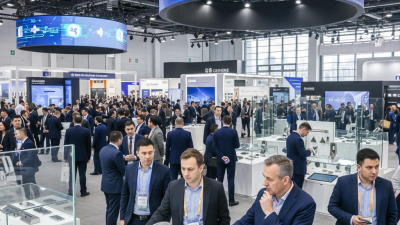
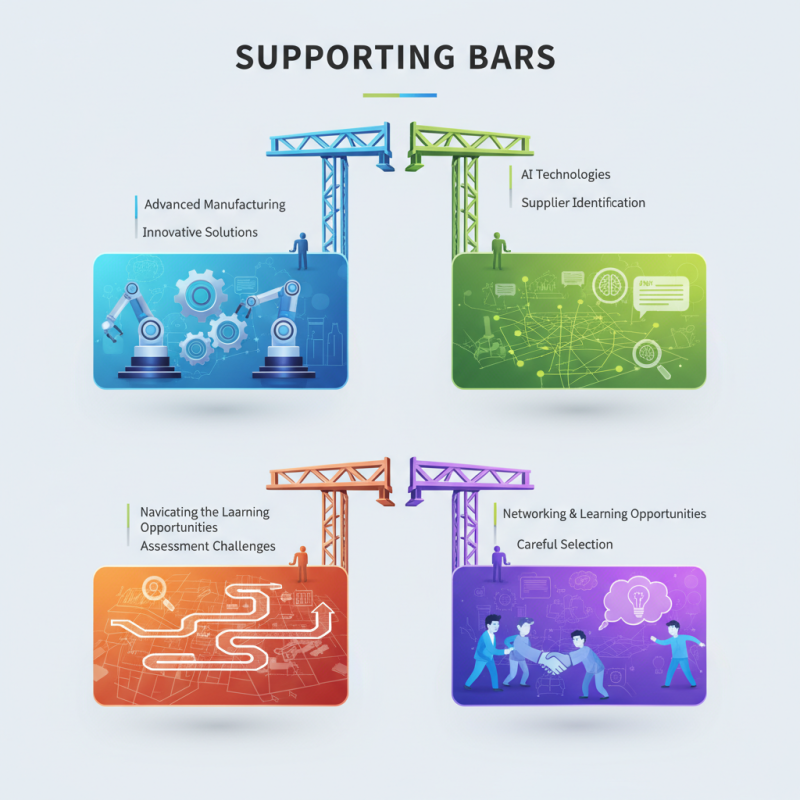
The 139th China Import and Export Fair highlights emerging trends in various industries, particularly in supporting bars. Supporting bars are critical components, ensuring stability and functionality in diverse applications. At the fair, attendees can explore advanced manufacturing trends related to these structures. The event will emphasize innovative solutions that enhance product reliability.
During this fair, AI technologies play a significant role. AI-driven tools allow buyers to identify suppliers meeting specific certifications quickly. This enhancement could transform how businesses approach sourcing supporting bars. However, there may be challenges. Not all solutions might meet expectations, and buyers should carefully assess their options.
As the footprint of the fair expands to 1.55 million square meters, navigating might present difficulties. Though AI improves efficiency, users may find it overwhelming at times. Attention to detail remains crucial when selecting a reliable supplier for supporting bars. The opportunity to network and learn is invaluable, but potential pitfalls exist.
Key Highlights of Supporting Bars at the China Import and Export Fair 139
The China Import and Export Fair 139 showcased impressive trends in supporting bars. A recent industry report highlighted that the demand for these bars has surged by 25% in the last year. This increase can be attributed to a growing emphasis on functional fitness and strength training. Many visitors were drawn to innovative designs aiming to enhance performance and user experience.
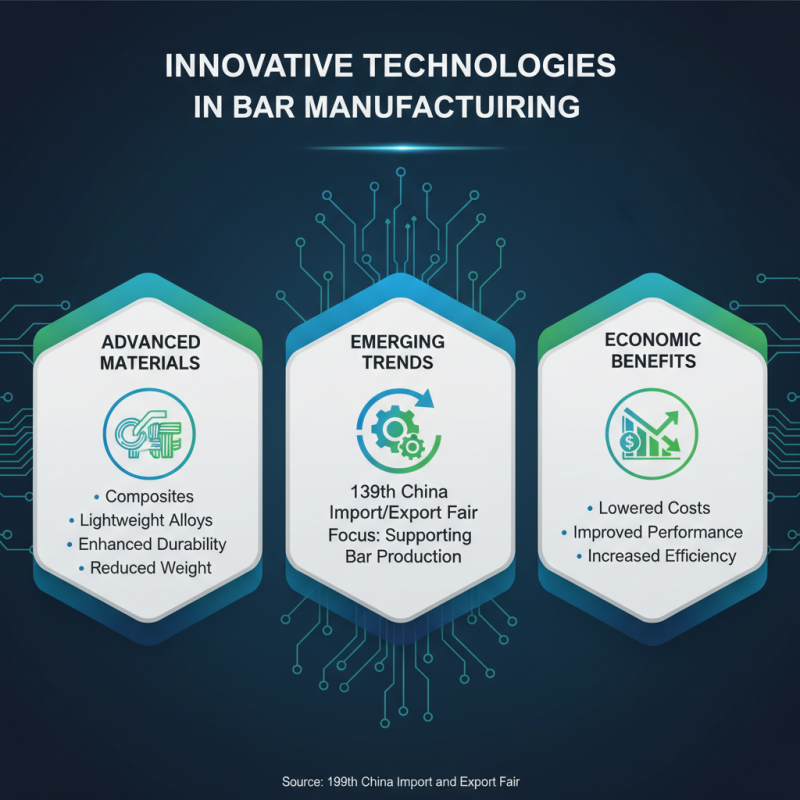
Among the key highlights were supports featuring advanced materials, enhancing durability while reducing weight. Some bars even integrate smart technology to track performance metrics. However, there are concerns about safety and quality control. Several participants noted inconsistencies in product standards. While some bars excel in design and functionality, others fell short. This highlights the need for better quality assurance processes within the industry.
Many exhibitors focused on sustainability as a major theme. Reports indicate that consumers are increasingly favoring eco-friendly products. Yet, the challenge remains in balancing cost and sustainable practices. Some brands struggled to present a clear message on sustainability. This gap could affect consumer trust in the long run. Overall, the fair illustrated both promising advancements and critical areas for improvement in the supporting bars market.
Emerging Trends in Supporting Bar Designs and Materials
The China Import and Export Fair 139 showcased innovations in supporting bar designs. These designs prioritize functionality and aesthetics simultaneously. Many booths featured lightweight materials such as aluminum and advanced composites, which promise increased durability without sacrificing weight. The trend towards sustainable practices is also evident, with some designs utilizing recycled materials, presenting a blend of eco-friendliness and innovative craftsmanship.
Notably, the color palettes in supporting bars are evolving. Bright, bold colors dominate, contrasting with more traditional metallic tones. This evolution highlights a shift towards personal expression in industrial design. Some designs included geometric patterns that catch the eye and evoke conversations. However, challenges remain. Balancing strength with creative designs can result in compromises. Some products appear stylish but may lack essential support features.
Finally, a few displays showed a neglect for ergonomic considerations, which are crucial for user experience. The trend towards visual appeal must not overshadow functionality. As these trends develop, it is essential to keep revisiting designs to ensure they serve their practical purpose effectively.
Top Supporting Bar Trends at China Import and Export Fair 139
Sustainability Practices in Supporting Bar Production
Sustainability is becoming a crucial focus in supporting bar production. Many manufacturers are adopting eco-friendly materials. They seek to minimize waste and reduce their carbon footprint. This shift is essential as consumers demand greener products. Environmentally friendly practices are not just trendy; they make good business sense.
Some producers are turning to recycled metals for their bars. This helps decrease the reliance on virgin resources. Despite these efforts, challenges remain. Not all facilities can easily source sustainable materials. Additionally, some processes still generate significant waste. Acknowledging these issues is key to progress.
Collaboration among industry players is vital. Sharing knowledge can inspire more efficient practices. However, not everyone is on board. Some companies resist change due to costs. Embracing sustainability requires a cultural shift, and change takes time. The journey toward greener supporting bar production is ongoing.
Market Opportunities for Supporting Bars in Global Trade
The China Import and Export Fair is a significant platform for showcasing innovations. Among the various products, supporting bars have emerged as pivotal in global trade discussions. This year, the fair has attracted numerous stakeholders, eager to explore new opportunities in this sector. Supporting bars serve various industries, from construction to logistics. They provide structural support, ensuring strength and durability in diverse applications.
Market opportunities are rising globally. The demand for reliable materials is increasing with urbanization. Countries are seeking to enhance infrastructure and logistics. Supporting bars are essential in this growth. However, challenges exist. Quality control remains a critical issue. Different standards across regions can complicate trade. Buyers often struggle to verify material strength. This inconsistency can lead to delays and dissatisfaction.
Developing partnerships is crucial. Transparent communication can bridge gaps in quality assurance. Companies need to focus on sustainable practices. This is an area of reflection for many. Environmental concerns must be addressed in manufacturing processes. Meeting global standards can position supporting bars as leading products in export markets. Emphasizing quality and sustainability may open new avenues for growth.