What is a Pull Faucet and How Does It Work?
The Pull Faucet is an innovative kitchen fixture gaining traction among homeowners. According to a report by Market Research Future, the global pull-down faucet market is projected to grow by 5.2% annually, hitting $1.8 billion by 2025. Industry expert Sarah Jenkins emphasizes this trend, stating, "The Pull Faucet revolutionizes the way we interact with our kitchen, blending functionality with style."
Pull Faucets extend far beyond traditional faucets. They offer flexibility and convenience, making daily tasks easier and more efficient. Users appreciate the ease of maneuvering the spray head, which can reach every corner of the sink. This design addresses common kitchen challenges. However, consumers sometimes underestimate the importance of installation and maintenance. Expert feedback indicates that a proper setup can prevent leaks and enhance longevity.
Understanding how a Pull Faucet works is crucial for potential buyers. It operates using a retractable hose, allowing smooth movement and hidden storage. Yet, not all products are created equal. Some may fail to deliver durability and performance. Careful selection based on quality is essential for optimal use.
Definition of a Pull Faucet and Its Key Features
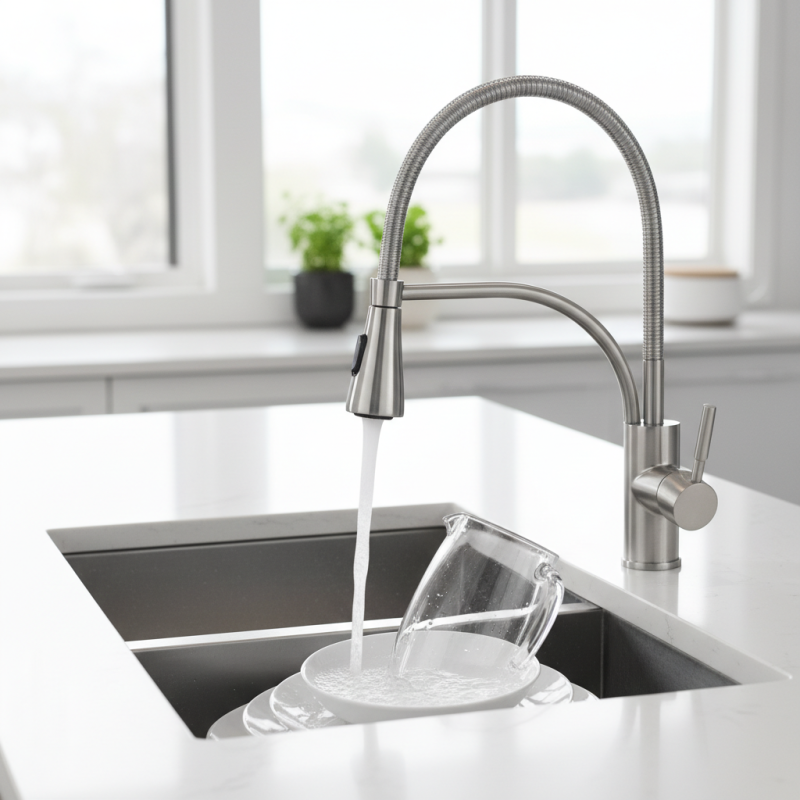
A pull faucet is a stylish and functional kitchen fixture. It features a spout that extends, allowing for flexibility when washing dishes or filling pots. The design often includes a spray function. This helps in rinsing off stubborn food particles. Many users appreciate this added convenience, but some find it tricky to handle.
The mechanics are straightforward. Pull faucets usually use a flexible hose that retracts back into the spout. This makes storage easy and less cluttered. The faucet is typically mounted to the sink, which can make installation a bit awkward for some. The pull-down design often creates a sleek look. However, users must ensure that the hose is of good quality to avoid leaks.
Not everyone finds a pull faucet user-friendly. Some people struggle with the weight distribution when pulling down the spout. Others may find that the spray feature isn't strong enough for their needs. It's important to consider these factors before making a choice. Understanding the pros and cons can lead to better satisfaction in the long run.
How a Pull Faucet Operates: Mechanism and Functionality
A pull faucet is designed for ease of use and versatility. The mechanism typically consists of a spout that can be extended and retracted. When you pull the faucet head down, a hose inside allows it to move freely. This function is perfect for rinsing dishes or cleaning the sink.
The functionality of a pull faucet is centered on convenience. With a simple tug, water can be directed where it’s needed most. It often features a button to switch between spray and stream. This dual setting enhances its utility. However, users might find it tricky to reattach the sprayer to the base after use.
Installation can be challenging for some, and not all kitchens accommodate these faucets easily. There’s also the potential for leaks if not fitted correctly. Learning how to effectively manage a pull faucet takes time and patience. The mechanics may seem straightforward, but practical usage reveals nuances that require adjustment. Rethinking the placement and accessibility of the faucet can lead to better functionality.
Advantages of Using a Pull Faucet in Kitchen and Bathroom Settings
Pull faucets have become popular in kitchen and bathroom settings. They offer a flexible experience for users. The design allows for easy maneuvering. This is especially useful when washing larger items. The pull-down spout extends to reach tough spots. You can rinse fruits or wash out pots with ease.
Another advantage is their aesthetic appeal. Pull faucets can enhance the overall look of a space. They come in various finishes and styles. However, choosing the right one may take time. Consider the existing décor and functionality. It's crucial to strike a balance. A mismatched faucet could disrupt the flow of the room.
Maintenance is another aspect to think about. Pull faucets may require more care due to their moving parts. Regular cleaning helps prevent build-up and prolongs life. Some users neglect this step. This can lead to issues over time. Reflecting on your routine can improve faucet longevity.
What is a Pull Faucet and How Does It Work? - Advantages of Using a Pull Faucet in Kitchen and Bathroom Settings
| Feature |
Description |
Advantages |
| Pull Down Design |
The faucet features a detachable spray head that can be pulled down for easier cleaning and rinsing. |
Increased flexibility and reach for cleaning dishes or filling pots. |
| Spray Functions |
Typically offers multiple spray options such as stream and spray. |
Versatile usage for various cleaning tasks (e.g., rinsing vegetables or washing dishes). |
| Stylish Design |
Modern aesthetic that can complement kitchen and bathroom styles. |
Enhances the overall look of the space, making it more appealing. |
| Ease of Installation |
Can be installed as a DIY project with minimal plumbing experience. |
Saves time and money on professional installation. |
| Durability |
Constructed with high-quality materials to resist wear and tear. |
Long-lasting performance, reducing the need for replacements. |
Installation Process for a Pull Faucet: Step-by-Step Guide
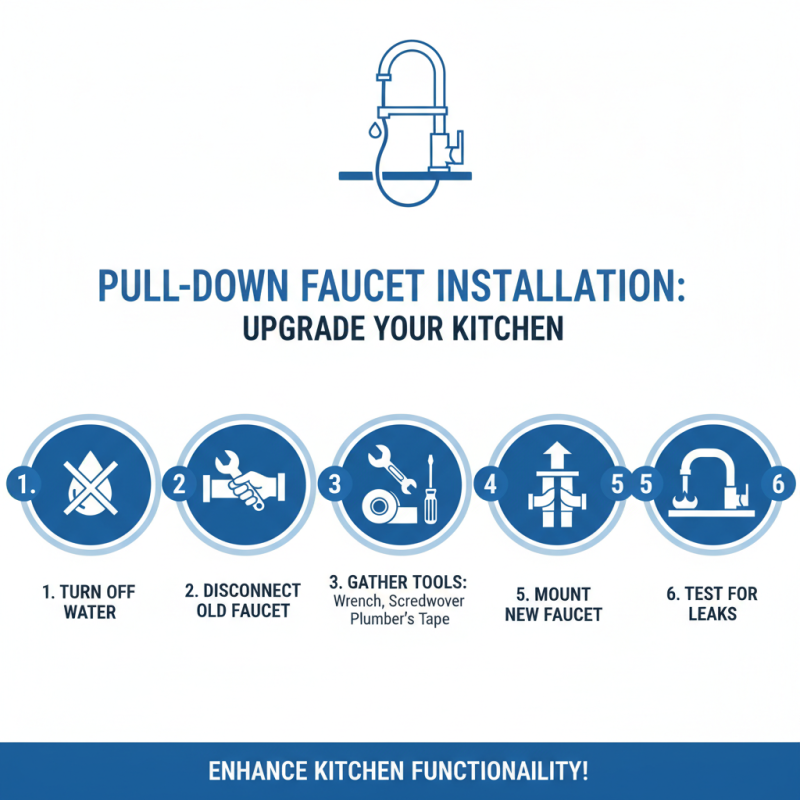
Installing a pull faucet can transform your kitchen’s functionality. The installation process involves several crucial steps. Start by turning off the water supply. It’s essential to prevent any mess. Gather your tools: an adjustable wrench, screwdriver, and plumber’s tape. When you have everything ready, you can tackle the installation.
Next, remove the old faucet. Unscrew it carefully. Be prepared for residual water. Drain it properly to avoid slipping. Once the old faucet is gone, clean the area beneath the sink. This step is often overlooked but vital for a secure fit. Position the pull faucet in the hole. Remember to follow the manufacturer's instructions, which can sometimes be confusing. If you're uncertain, consult a friend or watch a tutorial online.
After securing the faucet, attach the water supply lines. This part requires patience. Tighten the connections, but avoid overdoing it; you don’t want to crack anything. Test the faucet for leaks. If you find any, recheck your connections. It’s easy to miss a small detail. Finally, turn the water supply back on. That’s it! Enjoy your new pull faucet, but remember: perfection takes practice.
Maintenance and Care Tips for Prolonging the Life of a Pull Faucet
Pull faucets are convenient and stylish. They can dramatically enhance your kitchen or bathroom. However, proper maintenance is crucial for ensuring their longevity.
Regular cleaning is essential. Wipe down the faucet with a soft cloth to remove grime and water spots. Avoid abrasive materials, as they can scratch the surface. A diluted vinegar solution can help remove mineral buildup. Be careful with chemical cleaners; they may damage your faucet’s finish.
Check the pull-out hose regularly. Make sure it’s free from kinks or obstructions. Give it a gentle tug to test its flexibility. If you notice leaks, it’s important to address them quickly. Replace worn seals or cartridges instead of letting the problem grow. Regularly inspect the spray head too, as it can become clogged over time, affecting performance.
Small actions lead to lasting benefits. Each detail matters for your faucet’s health.