The upcoming 139th Canton Fair promises to be a pivotal event for the Glass Hinge industry. John Smith, a renowned expert in this sector, once said, “Innovation in design is key for success in the Glass Hinge market.” His words resonate deeply as the fair introduces AI-driven search tools. These tools enhance the efficiency of finding suppliers with essential certifications, such as ISO and CE.
During this event, participants can explore cutting-edge technologies and materials that shape the future of Glass Hinge designs. The fair spans three key phases, focusing on advanced manufacturing and quality home products. The atmosphere is charged with potential, but challenges remain. Companies must continuously adapt to changing demands and find ways to stand out in a crowded marketplace.
Attendees will witness firsthand the advancements that can streamline operations and improve product quality. Yet, not every business will seize this opportunity. As the industry evolves, reflecting on past strategies may reveal the paths that will lead to future success.

Understanding the Concept of Mental Health and Well-being
Mental health is a vital aspect of our overall well-being. It encompasses emotional, psychological, and social factors. It affects how we think, feel, and act daily. Good mental health helps us handle stress, relate to others, and make choices. However, it is not an absolute state. We can have good days and bad days. Reflecting on our emotions is essential.
Tips for maintaining mental health include practicing mindfulness. Mindfulness can enhance awareness of your thoughts and feelings. Try to spend a few minutes each day focusing on your breath. Notice how it feels to breathe in and out. It can help ground you and reduce anxiety.
Another tip is to establish a routine. Predictability can bring comfort. Start your day with a simple morning ritual. It could be a cup of tea or a short walk outside. Consistent habits can ease mental strain. Still, sometimes life disrupts our plans. It's okay to adjust and be flexible with yourself.
Lastly, connect with others when you feel overwhelmed. A simple conversation can make a difference. Share your feelings with a friend or family member. You don’t need to solve everything at once. Healing is a gradual process. Acknowledge your struggles and allow yourself the space to grow.
Understanding the Concept of Mental Health and Well-being
| Dimension |
Description |
Importance |
| Emotional Well-being |
The ability to manage feelings and expressions effectively. |
Crucial for coping with stress and enhancing life satisfaction. |
| Social Well-being |
The ability to form satisfying interpersonal relationships and maintain a social life. |
Essential for support systems and reducing loneliness. |
| Mental Resilience |
The capacity to recover quickly from difficulties and adapt to change. |
Important for personal growth and overcoming challenges. |
| Physical Health |
Includes regular exercise, proper nutrition, and enough sleep. |
Directly impacts mental well-being and overall quality of life. |
| Work-life Balance |
The equilibrium between personal life and work commitments. |
Crucial for reducing stress and enhancing productivity. |
Factors Influencing Mental Health in Individuals
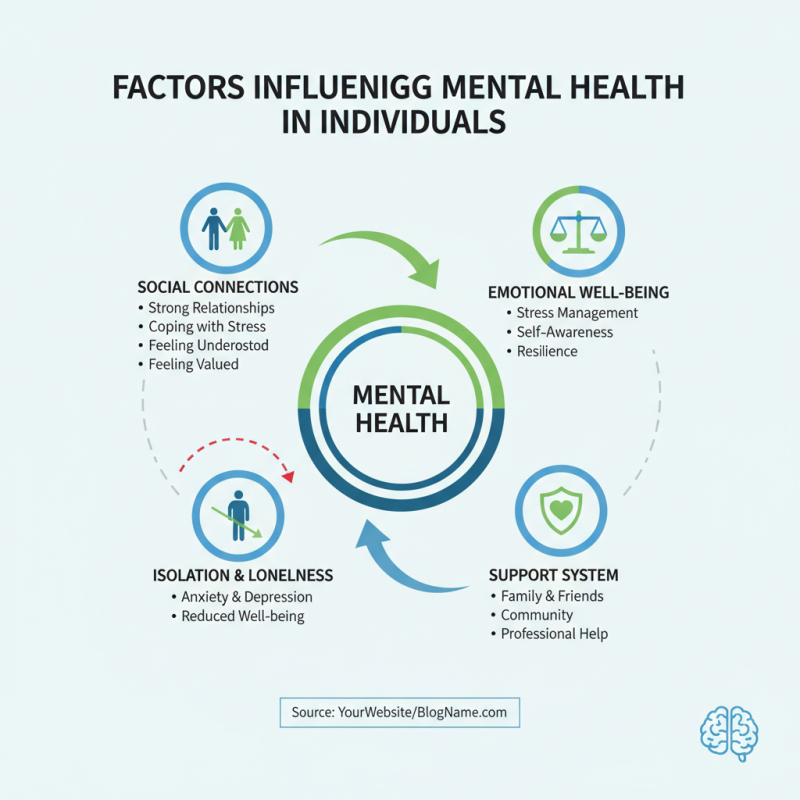
Mental health is a complex issue influenced by various factors. Social connections play a significant role. People with strong relationships tend to cope better with stress. They feel understood and valued. Loneliness can trigger anxiety and depression. Often, individuals don’t recognize how isolation can impact their wellbeing.
Environment is another critical aspect. A noisy, chaotic living space can escalate stress levels. Access to nature often brings comfort and clarity. Yet, many urban settings lack green spaces. This can lead to a disconnection from nature. Subsequently, individuals may find themselves feeling restless.
Personal experiences also shape mental health. Trauma, loss, and abuse can leave lasting scars. Some people may not openly share their struggles due to shame. This silence can create a harmful cycle. Furthermore, maintaining a healthy lifestyle is crucial. Poor diet and lack of exercise can worsen mood disorders. Reflecting on these aspects can be painful but necessary for growth.
Common Mental Health Disorders and Their Symptoms
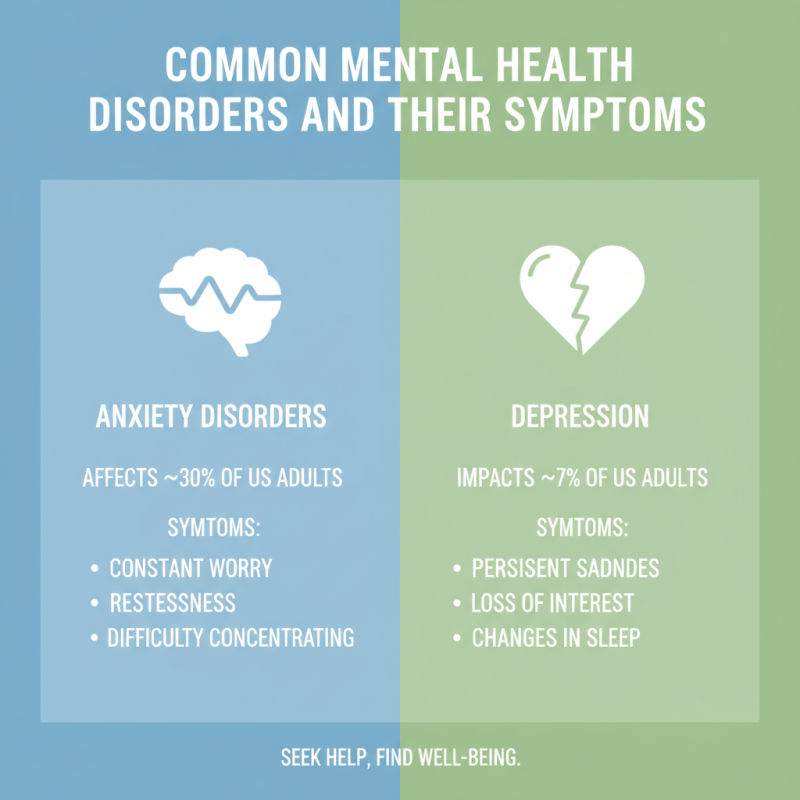
Mental health is a vital part of our overall well-being. Many individuals struggle with common mental health disorders. Understanding their symptoms can help in seeking timely help. Anxiety disorders affect nearly 30% of adults in the U.S. Symptoms include constant worry, restlessness, and difficulty concentrating. Depression, another common disorder, impacts about 7% of adults. It often manifests as persistent sadness, loss of interest, and changes in sleep patterns.
Tips for handling these disorders include practicing mindfulness. Simple breathing exercises can improve focus and reduce anxiety. Building a routine with regular physical activity also benefits mental health. Even short walks can elevate mood and energy. It’s essential to talk about feelings. Isolation can worsen symptoms, while sharing can bring relief.
Mental health challenges aren’t easy. Many people experience feelings of shame or inadequacy. It's okay to acknowledge these feelings. Remember, seeking help is not a weakness. Understanding symptoms is the first step to recovery. Receiving support and practicing self-care can lead to a hopeful journey towards better mental health.
Strategies for Promoting Mental Health and Resilience
Building mental health and resilience requires practical strategies that can be integrated into daily life. One effective approach is practicing mindfulness. Mindfulness can be as simple as taking a few deep breaths when feeling overwhelmed. This quick pause helps center thoughts and reduce anxiety. Regular meditation sessions, even for just a few minutes, can also foster a sense of calm, making the mind feel lighter.
Another strategy involves establishing strong social connections. Quality friendships provide emotional support during tough times. Engaging in community activities or volunteer work can bolster feelings of belonging. Yet, not every interaction will be positive. Some might lead to discomfort. It’s important to reflect on these experiences and learn from them, even when they’re difficult.
Physical activity is equally crucial for mental well-being. Exercise releases endorphins that uplift mood. Even a brisk walk outdoors can refresh perspective. However, consistency might be hard to achieve. Some days, motivation wanes, and that’s okay. Acknowledging these fluctuations is a part of the journey. Finding what works and what doesn't fosters growth and resilience over time.
The Role of Societal Support in Mental Health Maintenance
Societal support plays a crucial role in maintaining mental health.
Friends, family, and community networks provide necessary emotional resources. When individuals face challenges, these connections can help lighten the burden.
A simple check-in or a supportive conversation can make a significant difference. It builds resilience and fosters a sense of belonging.
Yet, not everyone receives this support. Some people feel isolated or misunderstood. They may struggle to share their feelings with others.
This gap highlights the need for better communication within communities. We must strive for open dialogues about mental health.
It is essential to create safe spaces where individuals can express vulnerability.
Encouraging a culture of empathy can transform this landscape. Communities can initiate programs to raise awareness.
These programs could foster understanding and strengthen ties. Recognizing the value of societal support is just the beginning.
We have to examine our own roles in promoting mental wellness among our peers. Each of us has the power to make a positive impact.