What is a Kitchen Faucet? Types, Features, and Buying Guide Explained
A kitchen faucet is an essential component of any functional kitchen, serving as the primary source of water for cooking, cleaning, and food preparation. With a variety of designs and features available, selecting the right kitchen faucet can seem overwhelming. This guide aims to demystify the types of kitchen faucets, highlighting their unique functionalities and aesthetic contributions to your kitchen space.
From traditional to modern styles, kitchen faucets come in various configurations to suit different needs and tastes. Understanding the differences between single and dual-handle faucets, pull-down sprayers, and touchless options can greatly impact the efficiency and convenience of your daily kitchen tasks. Additionally, considering important features such as material, finish, and ease of installation ensures that you choose a kitchen faucet that not only complements your design but also withstands the test of time.
As you navigate the buying process, this guide will provide valuable insights and practical tips to help you make an informed decision. Whether you are renovating your kitchen or simply looking to upgrade your current fixture, knowing the key aspects of kitchen faucets will empower you to select a product that enhances both functionality and style in your home.
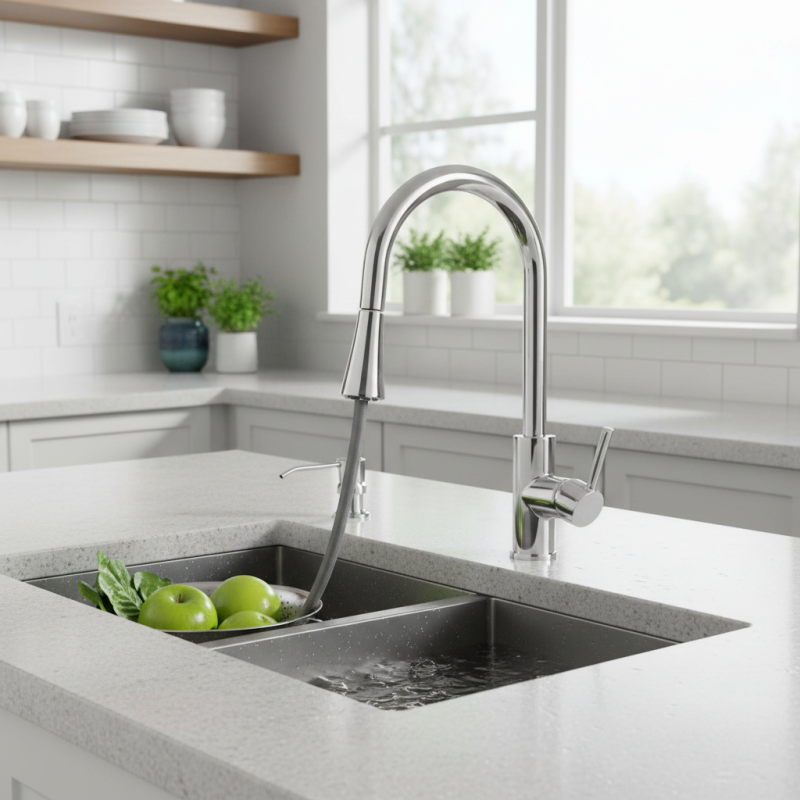
Understanding Kitchen Faucets: Definition and Importance
A kitchen faucet is an essential fixture in modern households, serving as a crucial point for both daily cooking tasks and hygiene maintenance. Over the years, these faucets have evolved significantly, incorporating advanced features that enhance their functionality and user experience. According to a report from the Home Improvement Research Institute, nearly 70% of homeowners prioritize the kitchen faucet's design and utility when remodeling their kitchens, emphasizing the importance of this fixture in both aesthetic appeal and practical usage.
Understanding kitchen faucets involves recognizing their various types and features. Common types include single-handle, pull-down, and pull-out models, each offering unique advantages tailored to different needs. Recent data from the National Kitchen and Bath Association indicates that consumers are increasingly interested in faucets equipped with touchless technology, reflecting a growing demand for convenience and hygiene in the kitchen. Features such as built-in water filtration systems and high-arc spouts also contribute to their significance, making kitchen faucets not just functional items, but vital components that enhance the overall kitchen experience.
Types of Kitchen Faucets: Key Variations and Their Uses
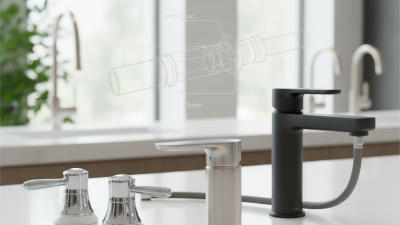
When selecting a kitchen faucet, understanding the various types available can help you make an informed decision. One popular choice is the single-handle faucet, which simplifies the process of adjusting water temperature and flow with one lever. This type is often favored for its ease of use and sleek design, making it suitable for modern kitchens. Additionally, the pull-down faucet has gained significant popularity, featuring a detachable spray head that allows users to reach every corner of the sink for comprehensive cleaning and rinsing. This versatility is particularly beneficial for those who frequently wash large pots or fill containers.
Another key variation is the bridge faucet, which combines an elegant aesthetic with functional design. This type features separate hot and cold water handles connected by a bridge, offering a vintage appeal while providing precise temperature control. Ideal for farmhouse or traditional-style kitchens, bridge faucets are often paired with deep sinks for a timeless look. Lastly, pot fillers are specialized faucets designed to make filling large pots easier directly on the stove, eliminating the hassle of carrying heavy containers from the sink. Each of these faucet types brings unique features and aesthetics to the kitchen, catering to different cooking and cleaning needs.
Types of Kitchen Faucets: Key Variations and Their Uses
Essential Features to Consider When Choosing a Kitchen Faucet
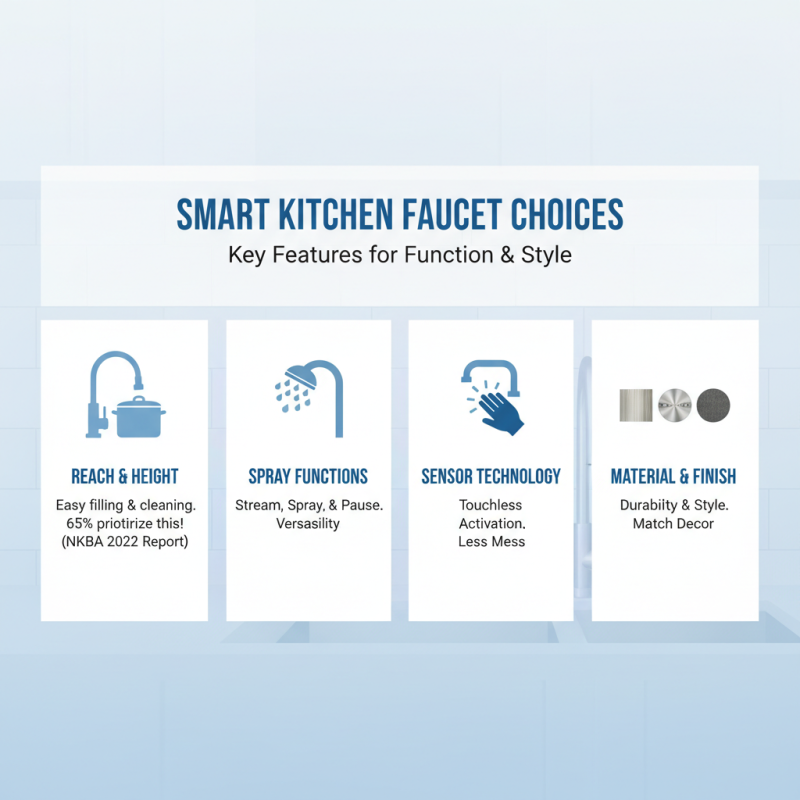
When selecting a kitchen faucet, several essential features can significantly enhance both functionality and aesthetic appeal. One of the foremost considerations is the faucet's reach and height, which affects usability, especially when filling large pots or cleaning dishes. According to a 2022 report from the National Kitchen & Bath Association (NKBA), 65% of homeowners ranked faucet reach as a critical factor in their buying decision, reflecting the importance of practicality in kitchen designs.
Additionally, the type of spray function offered is vital for efficiency. Many modern faucets come equipped with pull-down or pull-out spray heads, providing versatility for various kitchen tasks. A survey highlighted that 78% of users favored faucets with multiple spray settings for their convenience during food preparation and cleaning. Moreover, the construction material is crucial for longevity; materials such as brass or stainless steel are commonly recommended for their durability and resistance to corrosion. A study by the American Society of Plumbing Engineers (ASPE) emphasized that faucets constructed from high-quality materials not only extend the lifespan but also contribute to overall water quality, making each feature a key consideration for homeowners seeking to optimize their kitchen spaces.
Materials and Finishes: Impact on Style and Longevity
When choosing a kitchen faucet, the materials and finishes play a pivotal role in determining not only the style but also the longevity of the fixture. Common materials for kitchen faucets include stainless steel, brass, and plastic.
Stainless steel is valued for its durability and resistance to corrosion, making it an excellent choice for high-moisture environments. Brass, often revered for its classic look, offers robust strength and can develop a beautiful patina over time. On the other hand, plastic faucets tend to be more affordable but may not withstand the test of time as effectively as their metal counterparts.
The finish of a kitchen faucet further impacts its aesthetic appeal and maintenance needs. Polished chrome is a popular finish due to its shiny appearance and ease of cleaning, while brushed nickel provides a more muted, sophisticated look that hides fingerprints and water spots.
Matte finishes, such as black or bronze, have also gained popularity for their modern appearance and ability to blend seamlessly with various design styles. However, it's essential to consider that some finishes can be more prone to scratching or tarnishing, which can affect the faucet's longevity. Choosing the right material and finish not only enhances the kitchen's overall design but also ensures that the faucet stands up to daily use.
Buying Guide: How to Choose the Right Kitchen Faucet for Your Home
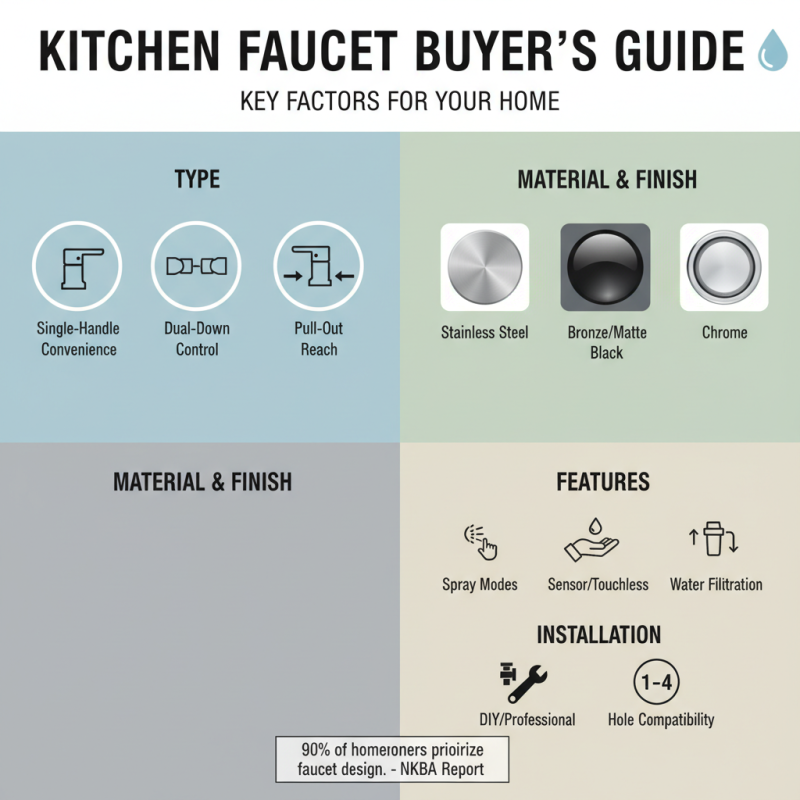
When selecting the right kitchen faucet for your home, several key factors should be considered to ensure functionality, durability, and style. According to a report by the National Kitchen and Bath Association, approximately 90% of homeowners deem the kitchen faucet as a critical component in their kitchen design. The first aspect to evaluate is the type of faucet that best suits your needs. There are various configurations, including single-handle, dual-handle, pull-down, and pull-out faucets. Choosing between these options depends on personal preferences for convenience, ease of use, and aesthetics.
Another important consideration is the material and finish of the faucet, which affects both its longevity and maintenance requirements. Brass and stainless steel are popular choices due to their resistance to corrosion and tarnishing. Furthermore, technological features, such as touchless activation or built-in water filters, enhance usability and efficiency in the kitchen. A study by the American Institute of Architects indicates that smart kitchen technology is becoming increasingly popular, with 62% of homeowners expressing interest in high-tech faucets. Ultimately, understanding these features and aligning them with your lifestyle and design goals will help in choosing the perfect kitchen faucet for your home.