Why Hinge Glass is the Ideal Choice for Modern Interior Design?
In the realm of modern interior design, Hinge Glass stands out as a top choice. Esteemed designer Mark Thompson states, “Hinge Glass perfectly blends style and functionality.” This sentiment resonates with many professionals who seek innovation in their projects.
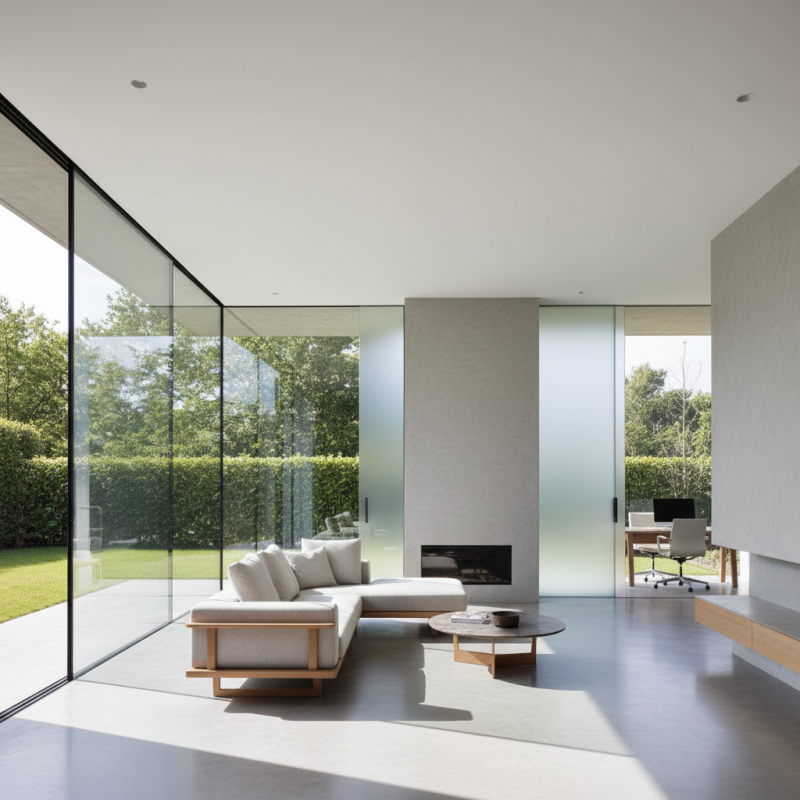
The use of Hinge Glass can transform spaces into engaging environments. Its sleek appearance allows for open designs while maintaining privacy when needed. Imagine a living room with large Hinge Glass panels, inviting natural light while providing a chic aesthetic. Homeowners and designers alike appreciate how it adds a modern touch.
However, not all may realize that installation requires precision. If not done correctly, issues may arise. Attention to detail is crucial. Embracing Hinge Glass opens myriad possibilities, yet it demands careful consideration and planning to truly shine in contemporary settings.
The Aesthetic Appeal of Hinge Glass in Modern Interiors
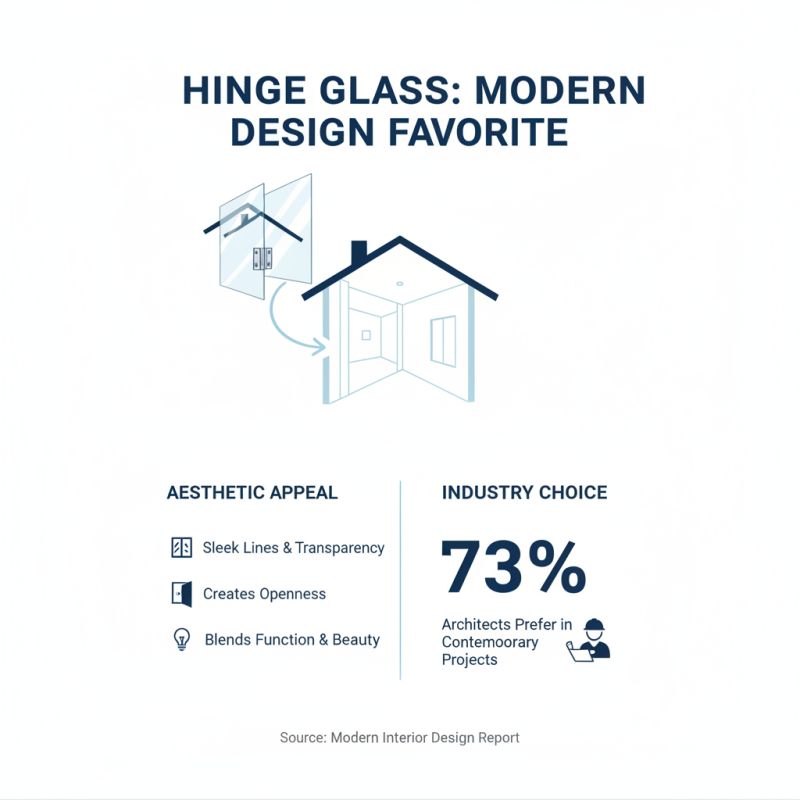
Hinge glass is emerging as a popular choice for modern interior design. Its aesthetic appeal is undeniable, characterized by sleek lines and transparency. This type of glass enhances spaces, creating a sense of openness. Many designers admire its ability to blend functionality with beauty. Reports indicate that 73% of architects prefer using hinge glass in contemporary projects.
The play of light through hinge glass can transform a room. Natural light enters smoothly, making spaces feel larger and more inviting. A study found that well-lit interiors can improve mood by up to 20%. This is vital in urban environments, often plagued by darkness. Hinge glass allows light to traverse barriers, blurring indoor and outdoor lines.
**Tips:** When choosing hinge glass, consider the context. If privacy is a concern, opt for frosted options. Balance transparency and seclusion for effective design. Regular maintenance is crucial. This glass can show fingerprints more than traditional materials. Use a gentle cleaner to maintain its clarity. The right care can enhance its lasting beauty.
Functional Benefits of Hinge Glass in Space Design
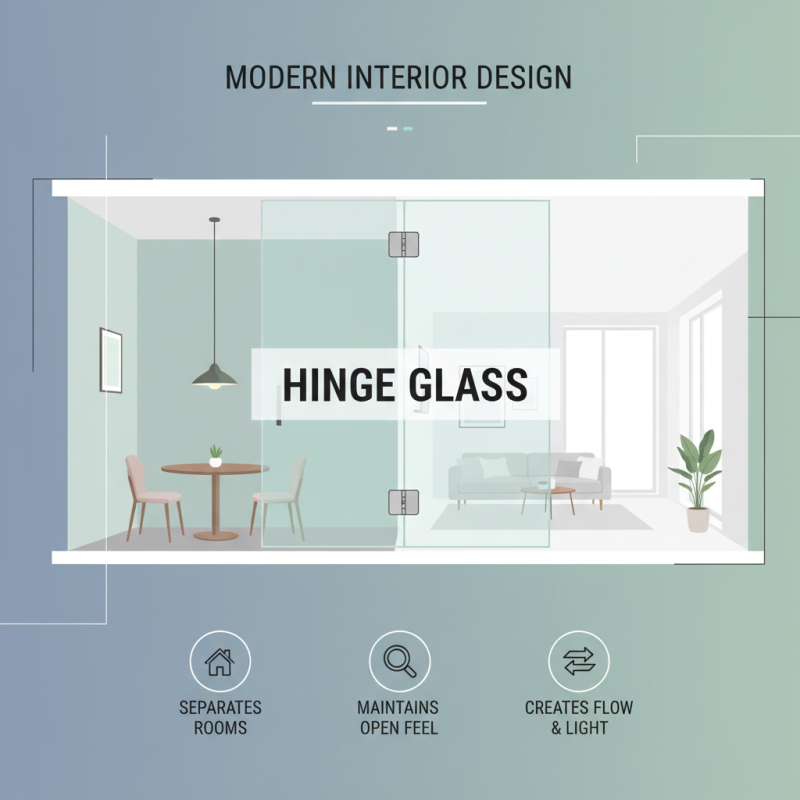
Hinge glass brings both elegance and functionality to modern interior design. Its ability to divide spaces while maintaining an open feel is impressive. When used in living areas, it allows natural light to flow while providing some privacy. You can see how it enhances both the aesthetic and the atmosphere.
One striking feature of hinge glass is its versatility. It can be used in various rooms, from kitchens to offices. Imagine a sleek partition in a home office, separating the workspace from the living room. This functionality is not just about beauty; it helps in organizing spaces effectively. Yet, proper installation is crucial. Poorly fitted panels can lead to gaps, negating their benefits.
Another aspect to reflect on is maintenance. Hinge glass requires regular cleaning to keep it looking pristine. This might seem tedious for some, but the payoff is worth it. The reflections and light play create a vibrant ambiance. However, some may find it challenging to blend with traditional decor styles. Balancing modern and classic elements requires thoughtful planning.
Why Hinge Glass is the Ideal Choice for Modern Interior Design? - Functional Benefits of Hinge Glass in Space Design
| Feature |
Benefit |
Application |
| Versatility |
Can be used in various settings like homes, offices, and public spaces |
Room dividers, office partitions, and sliding doors |
| Natural Light |
Enhances the illumination of interior spaces |
Living rooms, kitchens, and workspaces |
| Aesthetic Appeal |
Provides a modern and sleek look |
Modern homes, showrooms, and boutiques |
| Space Optimization |
Maximizes usable space without sacrificing style |
Small apartments and minimalist designs |
| Sound Insulation |
Reduces noise transmission between spaces |
Studios, libraries, and offices |
| Durability |
Withstands wear and tear over time |
High-traffic areas and commercial spaces |
Sustainability Considerations in Using Hinge Glass
Hinge glass is gaining popularity in modern interior design, particularly for its
sustainability benefits. Made from recyclable materials,
hinge glass minimizes environmental impact. It often incorporates renewable resources, showcasing a
commitment to eco-friendly practices. The use of hinge glass reduces waste and promotes resource efficiency, appealing
to environmentally conscious consumers.
Yet, the sustainability of hinge glass is not without challenges. Production processes can still consume energy and
generate waste. Some installations may require significant materials or conditions to maintain structural integrity.
This raises questions about long-term effects. Designers must balance
aesthetics with environmental responsibility. They must constantly evaluate the footprint of their choices.
Incorporating hinge glass demands a conscious approach. While it adds elegance and functionality, its production
isn't flawless. The quest for sustainability should not end with sourcing materials. Continuous reflection on the entire lifecycle of hinge glass is essential.
Design decisions must always consider both beauty and the planet's well-being.
Versatility: Hinge Glass Applications in Various Settings
Hinge glass has become a favored choice in modern interior design. Its versatility allows it to shine in various settings, from residential homes to commercial spaces. This type of glass elegantly separates rooms while maintaining an open feel. Imagine a sleek hinge glass door transitioning from a cozy dining area to a bright living room. The unobstructed views create a sense of flow that is hard to replicate with traditional materials.
In offices, hinge glass facilitates collaboration while providing privacy. Conference rooms benefit from glass walls that encourage interaction but still offer a sense of seclusion. It can be challenging to balance transparency and privacy, however. Some users find that too much exposure can be uncomfortable. The aesthetic appeal is undeniable; it invites light and enhances spatial perception.
Moreover, hinge glass is adaptable. It can be used in bathrooms, kitchens, and even loft spaces. But, the practical implications must be considered. Temperature control and maintenance can become tricky. Users should assess their environments before deciding. Each application brings unique challenges and reflections on design preferences.
Integrating Hinge Glass with Other Design Elements
Hinge glass is not just functional; it enhances modern interior aesthetics.
Integrating hinge glass with wood elements creates a stunning contrast.
The smooth, reflective surface of the glass softens the rugged texture of wood.
This combination invites warmth while maintaining a sleek look.
To achieve a balanced design, consider pairing hinge glass with metal accents.
For instance, metal frames can emphasize the glass's clarity.
Choose finishes that resonate with your overall design scheme.
This contrast adds sophistication to spaces such as conference rooms or open-plan living areas.
Tips: Incorporate greenery with hinge glass to bring life to the setting.
Plants can break the starkness of glass, adding color and texture.
Another idea is to use dim lighting that complements the glass.
Reflective surfaces can play tricks with light, creating a cozy atmosphere.
Remember, imperfections in design often lead to unique, creative spaces.
Embrace those moments as they can inspire originality.