What is a Floor Drain and How Does it Work?
A floor drain is a vital component in plumbing systems, designed to prevent flooding and manage wastewater. According to John Smith, a leading expert in drainage solutions, "A floor drain is crucial for maintaining hygiene and safety in wet areas." Understanding how a floor drain operates is essential for both homeowners and builders.
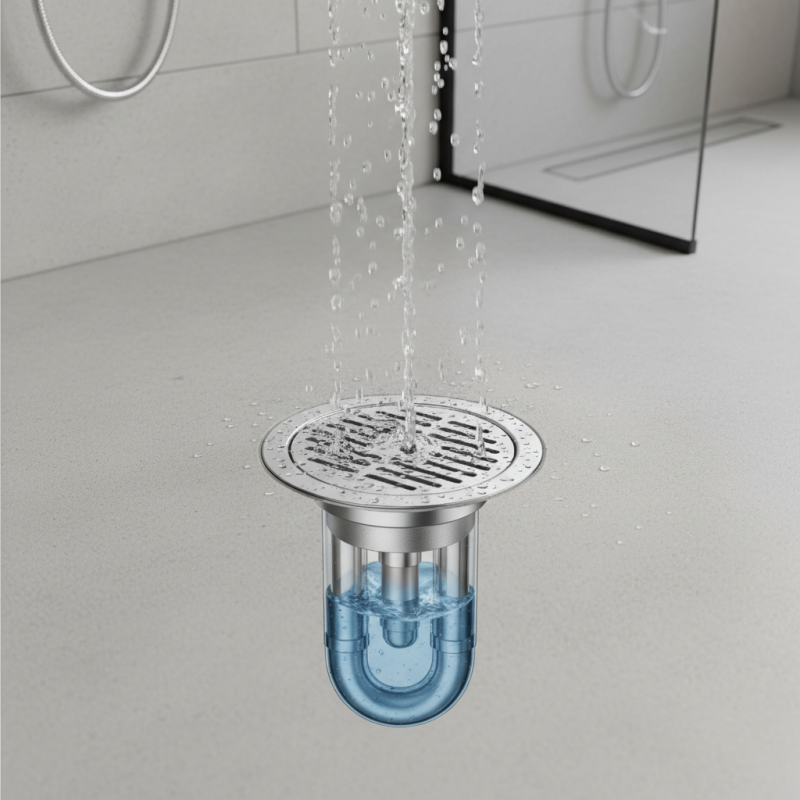
Floor drains typically work by using gravity to direct water away from surfaces. The drain features a trap that prevents odors from escaping while allowing liquid to flow. They are commonly found in bathrooms, kitchens, and basements.
While many people rely on floor drains, their maintenance often gets overlooked. Clogs can occur, blocking water flow and causing backups. Regular cleaning and inspection are necessary to ensure functionality. Neglecting to care for a floor drain can lead to significant issues down the line, such as pest infestations or water damage. Awareness of these details can lead to better management of your plumbing system.
What is a Floor Drain?
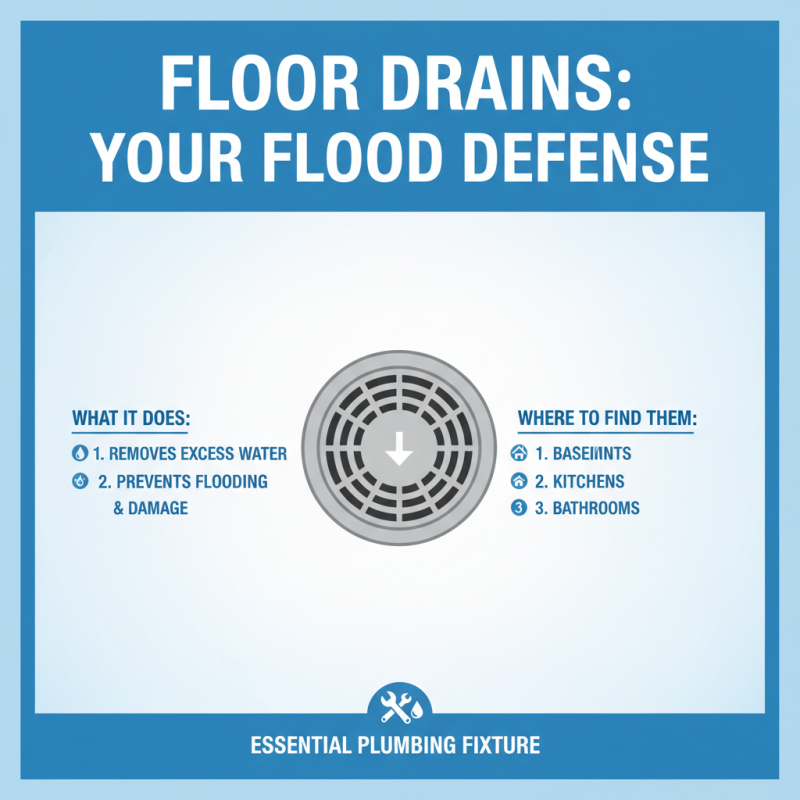
A floor drain is a crucial plumbing fixture found in many buildings. It helps to remove excess water from the floor, preventing flooding and water damage. This drain typically includes a grate or cover. Water flows through these openings and into the drain system. You can find floor drains in basements, kitchens, and bathrooms. They are essential for areas prone to spills or leaks.
The floor drain operates by guiding water away from the surface. When water collects, gravity pulls it down the drain. It often connects to a plumbing system that directs wastewater away from the building. Issues can arise if the drain clogs or becomes blocked. This can lead to stagnant water, unpleasant odors, and even mold growth. Regular maintenance is necessary to keep the floor drain functioning properly.
In some cases, people overlook the importance of cleaning floor drains regularly. Dirt and debris can accumulate over time. These blockages can hinder drainage, causing water to pool. It's important to check for clogs and ensure water flows freely. This small maintenance task can save significant trouble down the road.
Types of Floor Drains and Their Uses
Floor drains are essential in various settings, ensuring effective water management. There are several types of floor drains, each suited for specific applications.
One common type is the trap floor drain. This drain features a water seal, preventing unpleasant odors from entering a space. It is often used in kitchens and bathrooms. According to industry data, trap floor drains should be maintained regularly. Neglect can lead to clogs and costly repairs.
Another type is the area drain. These are designed for larger spaces like parking lots and warehouses. They channel excess rainwater away from surfaces, preventing flooding. Installing these drains can reduce maintenance costs and improve safety. However, proper installation is crucial; otherwise, they can become ineffective.
Tips: Always assess the environment where the drain will be installed. For instance, consider the volume of water expected and the type of debris. Regular cleaning is vital to keep drains functioning. Don't ignore small blockages; they can lead to bigger problems later.
Key Components of a Floor Drain System
A floor drain is an essential part of many buildings. It helps remove excess water from floors, preventing flooding and water damage. Understanding the key components of a floor drain system is crucial for ensuring proper functionality.
The primary part is the drain itself. It collects water and directs it to the plumbing system. Below the drain, there is typically a trap. This trap holds a small amount of water. It creates a seal that prevents sewer gases from entering the building. Proper maintenance of this trap is vital. If it dries out, unwanted odors can permeate the space.
Another essential component is the outlet pipe. This pipe directs the water away from the drain. A well-sized pipe ensures efficient drainage. If the pipe is too narrow, clogs may occur. It can lead to flooding issues. Regular inspection of the entire system can help identify potential problems. Ignoring small leaks or blockages can result in bigger headaches over time.
What is a Floor Drain and How Does it Work? - Key Components of a Floor Drain System
| Component |
Description |
Function |
| Drain Grate |
Cover that allows water to enter the drain while keeping debris out. |
Filters out larger particles and prevents clogging. |
| Trap |
U-shaped pipe that holds water. |
Prevents sewer gases from entering the building. |
| Piping |
System of pipes that transport wastewater to the drainage system. |
Ensures effective water removal and prevents standing water. |
| Vent |
Allows air to enter the plumbing system. |
Maintains proper pressure and prevents siphoning of the trap. |
| Cleanout |
Access point for clearing clogs in the drainage system. |
Facilitates maintenance and cleaning of the drainage system. |
How Floor Drains Function: The Basics
Floor drains are essential components in various facilities, helping to manage water from spills or heavy rain. These drains are designed to remove excess water, preventing flooding and damage. They are commonly found in basements, kitchens, bathrooms, and garages. With varied designs, floor drains efficiently channel water away from surfaces, reducing hazards.
Understanding how floor drains function is crucial. Each drain includes a trap that holds water. This water creates a barrier against sewer gases and odors. When water flows into the drain, it pushes the trapped water, allowing for smooth drainage. However, if the trap dries out due to lack of use, unpleasant smells can escape. Regular maintenance is essential to keep the system functioning properly.
Not all floor drains operate perfectly. Some may become clogged with debris, leading to water backup. Others might not drain effectively if improperly installed. Observing your drain’s function can reveal issues early on. Sometimes, minor adjustments or cleaning can solve bigger problems. Overall, staying attentive to the condition of floor drains can save significant time and resources.
Maintenance Tips for Floor Drains
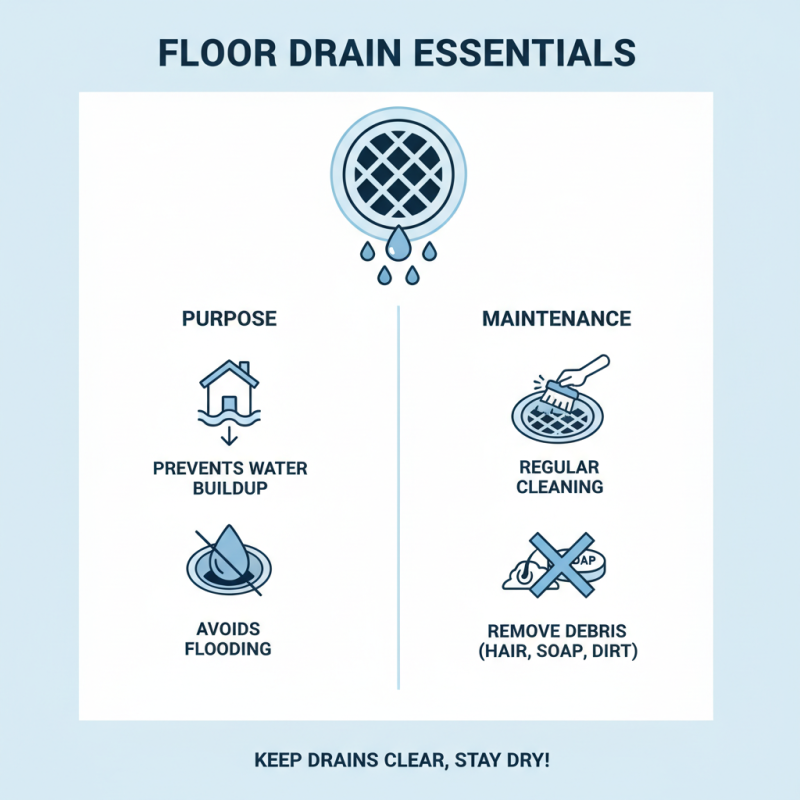
Floor drains are essential for preventing water buildup in areas prone to moisture. Maintenance of these drains is crucial for ensuring they function properly. Regular cleaning helps to avoid clogs that can lead to flooding. Clear any debris like hair, dirt, or soap residue that accumulates over time.
It's important to inspect the trap. This part of the drain holds standing water to prevent sewer gases from entering your space. Sometimes, this water evaporates, especially in infrequently used drains. Refill the trap with water occasionally to maintain its effectiveness. Neglecting this can lead to unpleasant odors.
Routinely check for any signs of damage or corrosion. Cracks or loose fittings can become bigger issues later. If you notice slow draining, take action right away. Delay can lead to bigger messes. Keeping a maintenance schedule will help ensure your floor drains remain in good condition. Regular maintenance may seem tedious, but it prevents future headaches.