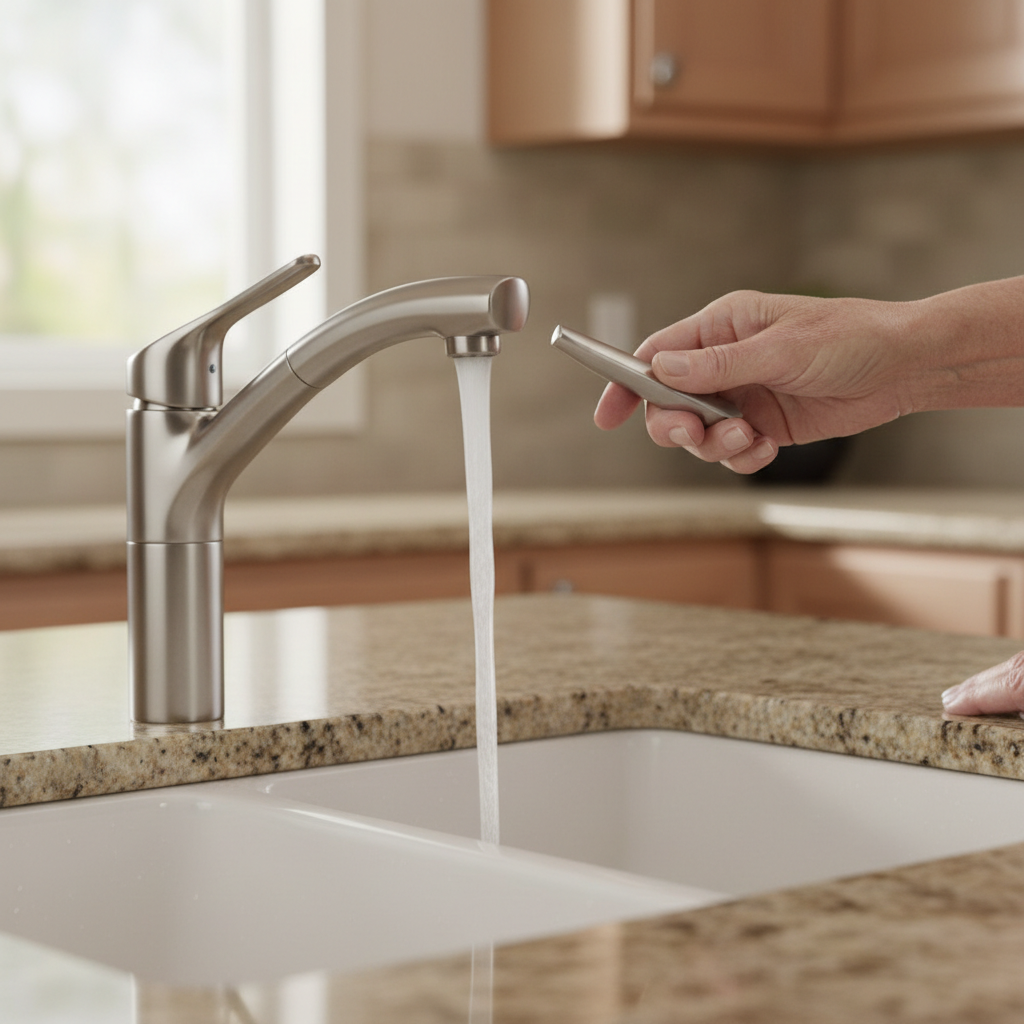
What is a Faucet Lever? Understanding Types, Features, and Replacement Options
In the ever-evolving world of kitchen and bathroom fixtures, the faucet lever stands out as a crucial component that plays a key role in functionality and user experience. According to a recent report by the National Kitchen & Bath Association, over 65% of homeowners prioritize ease of use when selecting faucets, highlighting the importance of lever types in enhancing daily tasks. With various designs available, understanding the intricacies of faucet levers—be it single or dual handle formats—can significantly impact consumer satisfaction and overall efficiency.
Industry expert Mark Williams, a noted plumbing specialist, emphasizes the significance of faucet levers in modern designs, stating, “The right faucet lever not only ensures accessibility but also elevates the aesthetic appeal of a space.” As homeowners increasingly gravitate towards user-friendly and stylish options, manufacturers are responding with innovative features that combine durability and ease of use. This exploration of faucet levers will delve into the various types, essential features, and replacement options available, ensuring that consumers make informed choices that cater to both their practical needs and design preferences.
Types of Faucet Levers: Exploring Different Designs and Mechanisms
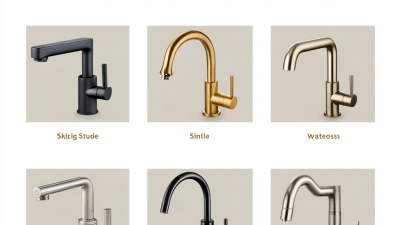
Faucet levers are crucial components that determine how water is dispensed in a household. There are various types of faucet levers, each designed with unique mechanisms and functionalities.
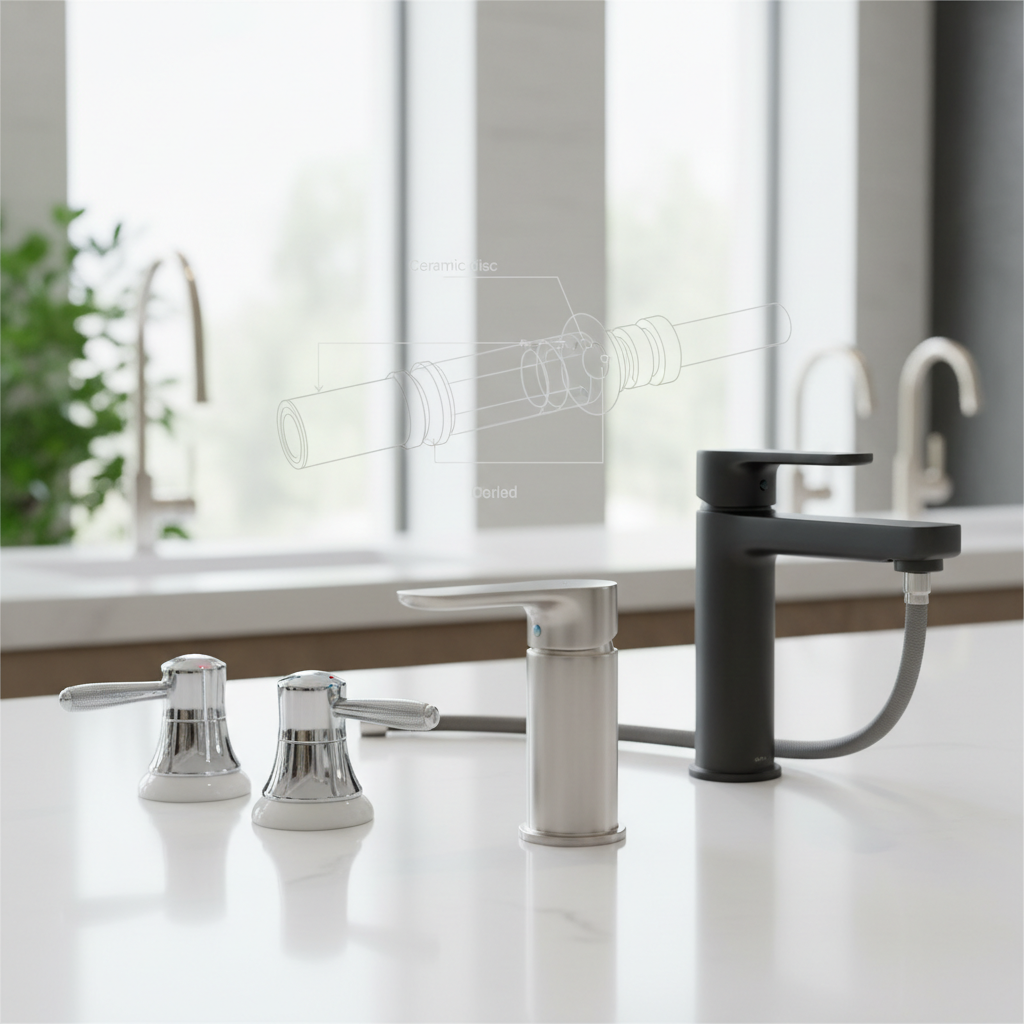
The most common designs include single-handle levers, which allow users to control both the temperature and flow of water with one hand. This design is particularly advantageous in busy kitchens or bathrooms where efficiency and ease of use are paramount.
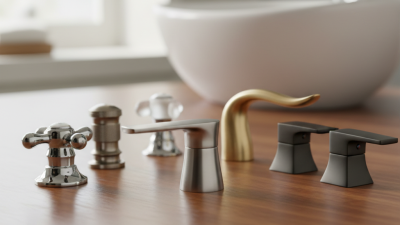
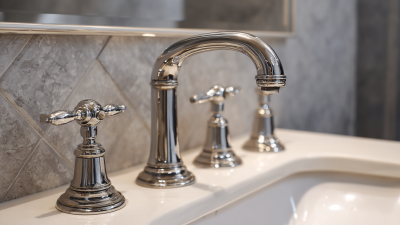
On the other hand, double-handle levers provide a more traditional approach, with separate controls for hot and cold water. This design offers precise temperature adjustments but may require more effort to operate.
Additionally, there are touchless or sensor-activated levers, which are gaining popularity for their convenience and hygiene benefits. These innovative designs use motion sensors to activate water flow, reducing the need for physical contact, which is especially desirable in modern bathrooms and kitchens.
Each type of lever has its own set of features that cater to different user preferences and needs, making the choice of faucet lever an important consideration in home design.
Common Features of Faucet Levers: Functionality and User Experience
Faucet levers play a crucial role in ensuring both the functionality and user experience of kitchen and bathroom faucets. These levers can be single or dual, directly affecting how users interact with water flow and temperature. The design of a faucet lever influences accessibility, making it easier for users of all ages and abilities to operate the faucet comfortably. High-quality levers are often ergonomically designed, allowing for smooth operation with minimal effort, which is especially beneficial for individuals with mobility challenges.
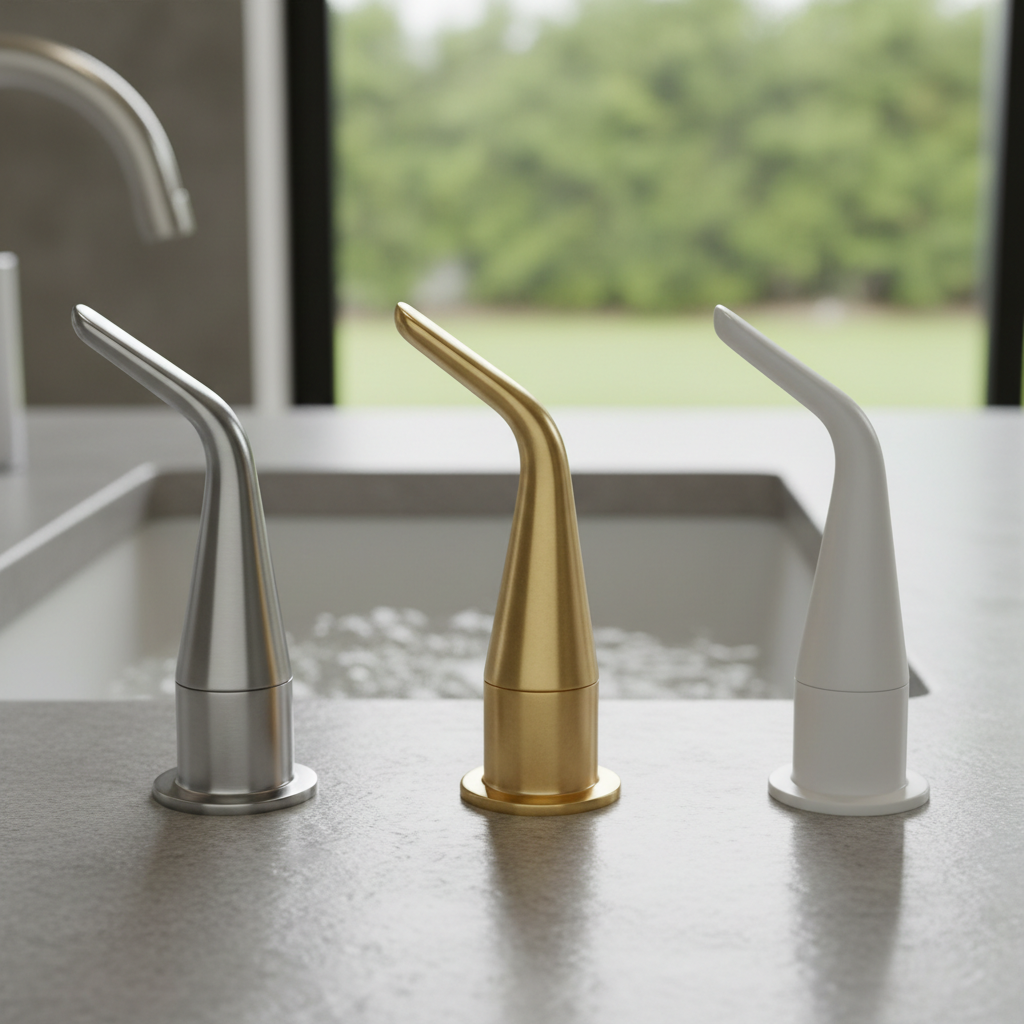
In addition to functionality, the materials and finishes of faucet levers contribute significantly to the overall user experience. Many modern levers are crafted from durable materials such as stainless steel or brass, ensuring longevity and resistance to wear and corrosion. The aesthetic appeal also matters, with a myriad of styles available that can complement various kitchen or bathroom designs. Features like a no-drip mechanism or temperature control indicators enhance usability, providing users with a seamless experience. Ultimately, choosing the right faucet lever involves considering both its practical features and the ease of use it offers, as these elements combine to elevate daily interactions with one of the most essential fixtures in our homes.
Materials Used in Faucet Levers: Durability and Aesthetic Considerations
When selecting a faucet lever, understanding the materials used is essential for both durability and aesthetics. Commonly used materials include stainless steel, brass, and plastic. Stainless steel is highly favored for its resistance to corrosion and rust, ensuring longevity in wet environments. According to a 2022 industry report by the Home Improvement Retail Association, stainless steel faucets demonstrate a lifespan increase of up to 40% compared to their plastic counterparts. Brass, with its natural antimicrobial properties, not only enhances the visual appeal through its warm, golden hue but also offers remarkable strength and durability.
When choosing a faucet lever, it’s important to consider how the material aligns with your kitchen or bathroom decor. Sleek, brushed materials like stainless steel convey a modern aesthetic, whereas polished brass adds a touch of vintage charm. For those looking to replace a faucet lever, opting for materials with finish ratings of at least 600 hours in salt spray tests can ensure better resistance and maintain appearance over time.
**Tips:** Always check for compatibility with your existing faucet before purchasing replacement levers. Additionally, consider finishes that not only look great but are also easy to clean, like chrome or brushed nickel, which can help reduce water spots and fingerprints.
How to Replace a Faucet Lever: Step-by-Step Guide for DIY Enthusiasts
 Replacing a faucet lever can seem daunting, but with the right approach, DIY enthusiasts can tackle this task effectively. According to a report from the National Kitchen and Bath Association, nearly 55% of homeowners prefer to undertake their own repairs rather than hire professionals. To begin the replacement, ensure you have all necessary tools, including a screwdriver, wrench, and possibly a replacement lever, which can often be found at local hardware stores or online retailers.
Start the process by turning off the water supply to avoid any spills. Next, use a screwdriver to remove the decorative cap on top of the faucet lever if applicable. This will typically reveal a screw that secures the lever in place. Remove this screw and gently lift the lever off. When choosing a new lever, consider the design and style that matches your existing fixtures; reports show that style consistency can enhance home value by up to 4%. Finally, install the new lever by reversing the steps: place it onto the shaft, secure it with the screw, and reattach the decorative cap. With these steps, your faucet will be functioning like new in no time.
Choosing the Right Faucet Lever: Factors to Consider for Your Home
When choosing the right faucet lever for your home, there are several factors to consider that can enhance both functionality and aesthetics. First, think about the type of lever that complements your specific needs. Options range from traditional lever handles to modern touchless designs, which can greatly influence the ease of use, especially in a busy kitchen. Modern faucets often come equipped with advanced features like pull-down sprayers or integrated filters, which can simplify meal prep and clean-up.
Another important consideration is the material and finish of the faucet lever. High-quality materials not only ensure durability but also affect the overall look of your kitchen or bathroom. Options like brushed nickel, chrome, and matte black can align with the desired style of your space. Moreover, evaluate how the lever operates; a smooth, easy-to-turn handle can enhance your everyday experience, particularly in a high-traffic area. Ultimately, taking time to assess these features will help you select a faucet lever that not only meets practical needs but also serves as a stylish upgrade to your home.
What is a Faucet Lever? Understanding Types, Features, and Replacement Options
| Type of Faucet Lever |
Material |
Features |
Replacement Options |
Price Range |
| Single Handle |
Stainless Steel |
Easy Temperature Control |
DIY Replacement Available |
$20 - $50 |
| Dual Handle |
Brass |
Precise Temperature Adjustment |
Requires Professional Help |
$30 - $80 |
| Touchless |
Plastic |
Hands-Free Operation |
Battery Replacement Needed |
$50 - $150 |
| Pull-Down |
Aluminum |
Flexible Sprayer |
DIY or Professional |
$40 - $100 |