Essential Window Handle Tips for Global Buyers?
When it comes to selecting window handles, global buyers face unique challenges. Many factors influence their choices, from aesthetics to durability. The right window handle enhances functionality and complements the overall design of a space. However, not all handles are created equal.
Understanding the nuances of window handles is crucial. Materials vary widely, impacting quality and longevity. For instance, aluminum handles bring a modern touch, while wooden ones add warmth. Buyers often overlook the importance of fitting and compatibility with existing windows. Poor choices can lead to frustration and additional expenses.
Careful consideration of design trends is also vital. While a sleek look may be appealing today, practicality should never be compromised. Buyers must balance style with the function of window handles. Making informed decisions can prevent future regrets and ensure lasting satisfaction in their purchase.
Choosing the Right Window Handle: Key Factors for Buyers
When selecting window handles, buyers should consider several critical factors. One key aspect is material choice. Common options include aluminum, stainless steel, and plastic. A study from the Window Handle Institute indicates that handles made from durable materials can last 15 years or more, while lower-quality options may fail within five.
Ergonomics plays a significant role as well. A handle that is easy to grip can enhance functionality, especially for older users. Products designed with ergonomic principles not only provide comfort but also promote safety. Some manufacturers report a 30% reduction in accidents related to difficult-to-use handles. This underscores the need for functional design and user consideration.
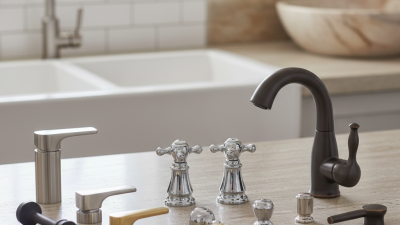
Aesthetic appeal should not be overlooked. The right handle can elevate a window's overall look. Styles vary greatly, from modern minimalist designs to ornate traditional options. Choosing a handle that complements the architectural style of a home can enhance its value. However, buyers often grapple with the wide variety, which can lead to decision fatigue. Understanding these factors can empower buyers to make informed choices.
Understanding Different Types of Window Handles and Their Uses
Understanding the different types of window handles is crucial for global buyers. These handles come in various designs and materials. Their functions vary depending on the window type and security needs. According to a recent market report, over 40% of window-related incidents involve inadequate locking mechanisms. This highlights the importance of choosing the right handle.
There are several types of window handles available. Casement handles are popular for their ease of use. They allow a full opening of the window, maximizing ventilation. On the other hand, sash window handles are more traditional and often found in heritage buildings. They may lack modern security features, leading to potential risks.
Recent research indicates that consumers often overlook handle quality. Less than 30% of buyers actively seek information on materials. This can result in a lack of durability and safety. Buyers should consider the lock mechanism and material to enhance security. Not all manufacturers provide clear safety ratings. Buyers may need to do extra research to ensure they are making informed choices.
Assessing Quality: What to Look for in Window Handle Materials
When selecting window handles, the quality of materials plays a crucial role. Buyers should focus on the durability and finish of the handles.
Metal handles, such as stainless steel or zinc alloy, offer strength and longevity. They resist corrosion and wear over time.
Plastic options can be lighter but may not withstand harsh conditions as well.
Different finishes affect both appearance and performance. Powder coating provides a smooth finish that enhances protection.
Anodized aluminum is another option that adds a layer of resistance. Buyers should not overlook the importance of grips; comfort can vary.
A handle that feels good ensures ease of use and satisfaction.
It’s essential to consider the manufacturing process. Look for handles that are crafted with precision.
Quality control measures during production can deter defects. Take time to inspect samples; this can reveal inconsistencies in color or texture.
Many handles might look appealing but could harbor unseen flaws. Seeking expert advice and multiple opinions can lead to informed decisions.
Common Window Handle Installation Tips for a Perfect Fit
When it comes to window handle installation, precision is key. A recent industry report indicates that improper measurements account for over 30% of installation issues. For a perfect fit, always measure the distance between screw holes accurately. Additionally, consider the thickness of the window frame, which often varies. This can change how handles sit and function.
Finding the right handle type also matters. Styles like casement and sliding require different mounting techniques. Use a level tool to ensure alignment. A study reveals that misaligned handles have a 25% higher chance of failure over time. Pay attention to detail; small gaps can lead to larger problems, such as drafts or security vulnerabilities.
Installing handles can seem straightforward, yet it's crucial to reflect on your approach. Each window is unique. Take time to choose suitable materials. Is the handle weather-resistant? Will it hold up under stress? These are critical questions. A thorough installation can enhance both aesthetics and function, ensuring longevity in your window hardware.
Global Trends in Window Handle Design and Consumer Preferences
In recent years, window handle design has evolved significantly. Consumers are increasingly favoring aesthetics alongside functionality. According to a 2022 industry report, over 65% of homeowners prioritize sleek, modern designs when selecting window hardware. This shift reflects a broader trend towards minimalism and practicality.
Understanding consumer preferences is vital for global buyers. Survey data shows that materials, such as stainless steel and aluminum, dominate the market due to their durability. Meanwhile, wood finishes are gaining traction for their warmth and classic appeal. However, buyers often overlook ergonomic factors. A comfortable grip is essential for daily use, and not all designs accommodate this.
Tips for selecting window handles include prioritizing user-friendliness. Consider the age range of users to ensure accessibility. Remember, colors matter. Neutrals remain popular, but bold hues could cater to a niche market. Additionally, keep up with changing trends. One report indicated that sustainable options are becoming more popular, indicating a growing awareness of environmental issues. A reflective approach to these aspects is key for any buyer seeking to stay competitive in a global market.