How to Choose the Right Glass Hinge for Your Project?
Choosing the right glass hinge for your project can significantly impact both functionality and aesthetics. According to a report by the Glass Association, an estimated 40% of broken glass installations are due to improper hinge selection. This statistic highlights the importance of careful consideration in the selection process. An industry expert, John Smith, emphasizes, “Selecting the right Glass Hinge is crucial for durability and performance.”
When evaluating glass hinges, factors like weight capacity, material quality, and intended application must be taken into account. Many hinge types exist, yet not all are suitable for every situation. Common mistakes include overlooking the operating mechanism and choosing hinges not rated for the glass thickness. These oversights can lead to costly repairs and safety hazards.
Glass hinges must blend seamlessly with design while ensuring security and ease of use. Many projects fail due to rushed decisions, resulting in mismatched aesthetics. Balancing design elegance with practical function is essential. Reflecting on these elements can lead to more informed choices, enhancing both safety and style.

Understanding the Different Types of Glass Hinges Available
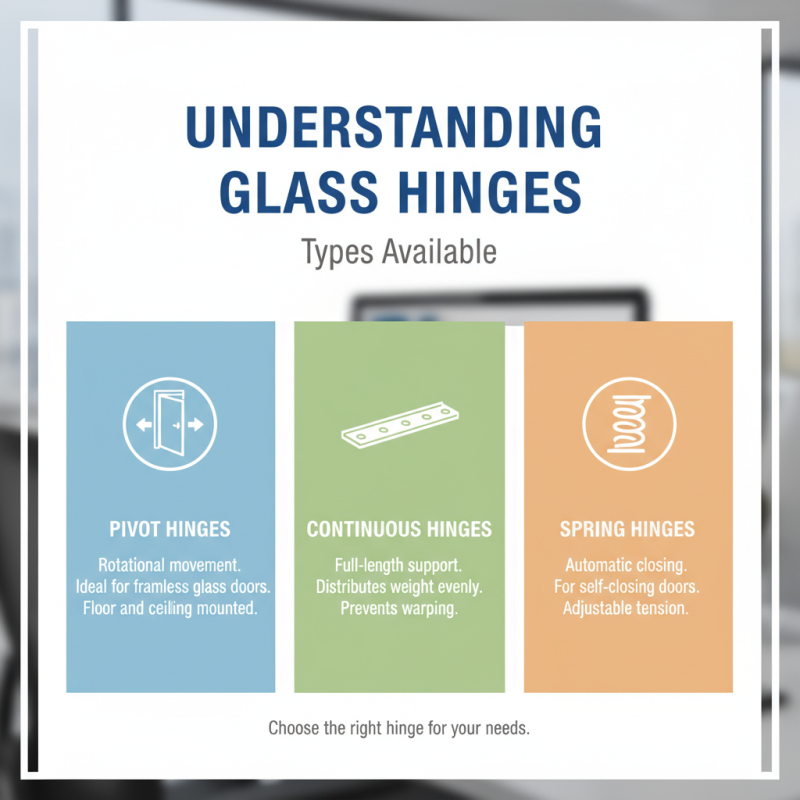
When choosing glass hinges, it’s crucial to understand the types available. There are various categories, including pivot hinges, continuous hinges, and spring hinges. Each serves unique purposes and settings.
Pivot hinges are popular for glass doors. They allow smooth swinging, providing ease of access. They can be more intricate to install, requiring precise measurements. Continuous hinges run the full height of the door. They distribute weight evenly, which is great for larger panels. However, finding the right one can be challenging.
Spring hinges offer a self-closing feature, making them ideal for maintaining privacy. But they may not support heavy glass as well. It’s vital to consider your project needs and the weight of the glass. Selecting the wrong hinge might lead to failure, causing frustration down the line. Thus, spend time evaluating your options.
Assessing the Load Capacity and Durability of Glass Hinges
When selecting glass hinges, load capacity is a key factor. Each hinge must support the weight of the glass door or panel without compromising safety. Checking the manufacturer's specifications helps, but not all manufacturers are equal. Some may overstate their load capacities. It's wise to seek independent assessments when possible.
Durability is another crucial aspect. Glass hinges experience daily use and exposure to various elements. Consider the materials used in the hinge construction. Stainless steel offers good resistance to corrosion, but even this can falter under extreme conditions. Regular maintenance is essential to ensure longevity.
Testing hinges in real conditions can reveal shortcomings. Installation errors may reduce a hinge's effectiveness. Misalignments can lead to uneven stress and premature failure. Users often overlook this step, leading to regret down the line. Details matter, and sometimes, small adjustments can improve performance significantly.
How to Choose the Right Glass Hinge for Your Project? - Assessing the Load Capacity and Durability of Glass Hinges
| Hinge Type |
Max Load Capacity (lbs) |
Material |
Durability Rating (Years) |
Finish Options |
| Standard Glass Hinge |
150 |
Stainless Steel |
10 |
Polished, Matte |
| Heavy Duty Glass Hinge |
250 |
Brass |
15 |
Polished, Satin |
| Concealed Glass Hinge |
120 |
Aluminum |
8 |
Anodized, Brushed |
| Pivot Glass Hinge |
200 |
Steel |
12 |
Galvanized, Powder-coated |
Evaluating the Aesthetics and Design Compatibility with Your Project
When selecting glass hinges, aesthetics and design compatibility are crucial. The right hinge can enhance the overall appearance of a project. A well-chosen hinge should blend seamlessly with the glass and surrounding materials. According to a report from the Architectural and Design Review, 76% of architects consider aesthetics pivotal in their projects. This statistic highlights the importance of design coherence when choosing glass hardware.
Tip: Always consider the color and finish of the hinge. A chrome or brushed nickel finish often complements modern designs. However, some projects may benefit from a more understated hinge. It’s essential to visualize the entire design before making a final decision.
Another factor is the size and shape of the hinge. A mismatch can look jarring. Reports show that 65% of design failures are due to these compatibility issues. While functionality is key, how the hinge integrates with your design counts too. It's vital to strike a balance between style and practicality in your selection process.
Tip: Create mock-ups of your design. This visual aid can reveal potential clashes between elements. Don't rush this step. An oversight at this stage can lead to disappointing results later on in the project.
Considering Installation Requirements and Technical Specifications
Choosing the right glass hinge requires careful consideration of installation requirements and technical specifications. Many experts recommend assessing the weight and thickness of the glass. For instance, a standard 10 mm thick glass can weigh up to 25 kg per square meter. Ensure that the hinge you select can support this weight, or you risk compromising safety.
Installation angles are also crucial. Many glass hinges operate effectively at 180 degrees. However, some designs allow for ranges of 90 to 135 degrees. This variability impacts usability. Be mindful that incorrect angles can hinder door movement and function. Poor alignment issues can lead to frequent maintenance, which is often overlooked in project planning.
Moreover, the material composition of hinges affects durability. A technical report from industry experts suggests that materials like stainless steel enhance corrosion resistance, increasing longevity. Many professionals neglect this detail, potentially leading to premature wear. Always evaluate the environment where hinges will be installed. Humid areas may need additional considerations. Failure to address these factors may pose challenges in the long term.
Selecting the Right Material for Your Glass Hinge Needs
When it comes to choosing the right glass hinge, the material plays a crucial role. Various materials offer different strengths and aesthetics. Stainless steel is popular due to its durability and resistance to corrosion. It works well in areas with high humidity. However, its weight can be a concern for lighter glass panels.
Another option is brass, known for its attractive finish. It adds a touch of elegance but may corrode in moist environments. This choice can be a bit tricky. Glass hinges made from nylon are lightweight yet strong. They resist rust and can be ideal for interior projects. However, they may not hold up under heavy usage.
Consider your project’s needs carefully. The environment impacts hinge performance significantly. You might think your choice is perfect, but always inspect after installation. Over time, materials can wear differently than expected. Maintenance is key. Ultimately, selecting the right material is about balancing aesthetics, function, and durability.
Material Selection for Glass Hinges
This chart illustrates the preference for different materials used in glass hinges based on industry data. The data represents the popularity of materials among consumers and contractors.