How to Choose the Right Glass Clamp for Your Project?
Choosing the right Glass Clamp for your project can be daunting. With various options available, understanding their applications is crucial. Renowned industry expert John Smith once stated, "The right Glass Clamp ensures both safety and aesthetic appeal." His words highlight the importance of selection.
Glass Clamps serve both functional and decorative purposes. They hold glass panels in place while enhancing the overall design. Yet, many overlook details such as material compatibility and load capacity. A poor choice can lead to unnecessary repairs or safety risks. Each project demands specific needs.
When assessing your options, think critically about the environment. Different settings may require distinct features. Reflect on the glass thickness and size. Remember, an ideal Glass Clamp is not just about looks; it's about reliability and durability. Selecting wisely can elevate your project tremendously.
Understanding the Different Types of Glass Clamps Available in the Market
When choosing the right glass clamp, it's essential to understand the various options available. Glass clamps generally fall into two categories: mechanical and adhesive types. Mechanical clamps often have screws or brackets that secure the glass. They are reliable but can be tricky to install. On the other hand, adhesive clamps provide a clean look. However, their effectiveness depends on surface preparation and environmental conditions.
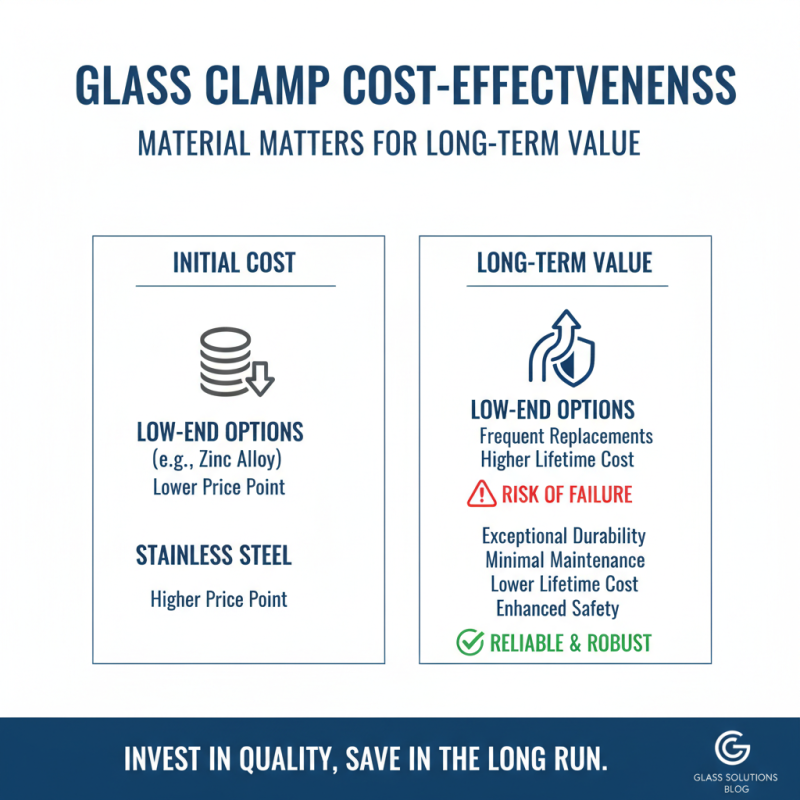
Different materials also influence clamp selection. Stainless steel clamps are robust and weather-resistant, making them ideal for outdoor projects. Aluminum clamps are lightweight and versatile, offering great durability as well. However, some budget-friendly options may not withstand the test of time. If you're uncertain about a material's longevity, doing research can provide clarity.
Additionally, sizing matters. A clamp that is too big might not hold the glass securely. Conversely, a small clamp may not support the glass properly. Consider the thickness of your glass and the weight it must bear. Misjudgment in these areas can lead to failures. Take the time to weigh your options and think about the intended use of your glass installation.
How to Choose the Right Glass Clamp for Your Project?
| Type of Glass Clamp |
Material |
Weight Capacity |
Application |
Typical Price Range |
| Standard Glass Clamp |
Stainless Steel |
50 kg |
Interior and Exterior Use |
$5 - $15 |
| Heavy-Duty Glass Clamp |
Aluminum |
100 kg |
Commercial Applications |
$15 - $30 |
| Rubber-lined Glass Clamp |
Steel with Rubber |
40 kg |
Residential Use |
$8 - $20 |
| Corner Glass Clamp |
Brass |
60 kg |
Shower Enclosures |
$12 - $25 |
| Tensioned Glass Clamp |
Stainless Steel |
70 kg |
Glass Railings |
$20 - $40 |
Key Factors to Consider When Choosing Glass Clamps for Your Project
Choosing the right glass clamp is essential for your project. There are several key factors to consider.
The size and thickness of the glass are crucial. Measure your glass carefully. Ensure that the clamps you select can accommodate this size.
The material of the clamps also matters. Look for durable materials that resist corrosion. Stainless steel is often a top choice. It provides strength and longevity. Plastic options can work too, but they may not be as sturdy.
Tips: Always check the weight capacity of the glass clamp. Not all clamps can hold heavier panels. Think about the environment where the clamp will be used. Indoor and outdoor settings require different considerations. Reflect on the aesthetic you want.
Clamps come in various styles and finishes. Choose ones that complement your overall design.
Material Strength and Durability: Selecting the Right Glass Clamp for Longevity
When selecting a glass clamp, material strength and durability are key factors. Glass clamps come in various materials, commonly stainless steel, aluminum, and plastic. Stainless steel is preferred for its high strength and corrosion resistance. It can withstand demanding environments, such as outdoor installations. Aluminum clamps are lightweight, but they may not be as durable. Plastic clamps are less expensive but can wear out more quickly.
Tips: Consider the environment where the clamp will be used. Outdoor projects require stronger materials to resist weather elements. Check the weight and thickness of the glass. Your clamp must support the specific load.
Another aspect to examine is the clamp design. A well-designed clamp distributes stress evenly, reducing the risk of breakage. Look for clamps with a solid gripping mechanism. They should hold the glass securely while minimizing any chance of slipping.
Tips: Do a test fit if possible. Sometimes a clamp looks good on paper but fails in practice. Pay attention to user reviews, even if they come with mixed emotions. Experience can guide you towards the right choice.
Material Strength and Durability of Glass Clamps
This chart illustrates the tensile strength (measured in MPa) and durability ratings of various glass clamp materials, helping you select the right option for your project based on material performance.
Industry Standards and Safety Regulations for Glass Clamp Usage
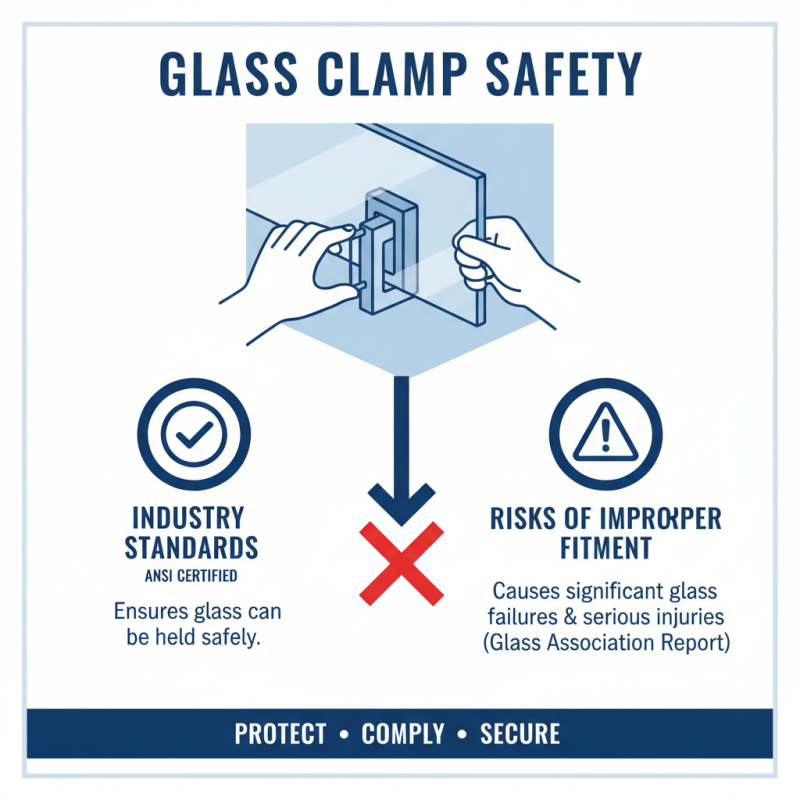
When selecting glass clamps, understanding industry standards and safety regulations is crucial. Standards such as those set by the American National Standards Institute (ANSI) ensure that glass clamps can safely hold various types of glass without causing a breach of safety. According to a report from the Glass Association, improperly fitted clamps are responsible for a significant percentage of glass failures, leading to serious injuries.
Safety regulations often emphasize load capacity and failure tests for clamps. The maximum load a glass clamp can support should be clearly marked on the product. Research indicates that some clamps do not meet these essential load specifications, putting users at risk. Regular inspections and adherence to recommended guidelines can mitigate this risk.
It's also important to consider how the clamps fit with your specific glass thickness. Many clamps are designed for standard sizes. However, using them outside their intended parameters can lead to failure. Data shows that nearly 30% of clamp-related accidents result from misapplications. Stay informed and prioritize safety in every project.