How to Choose the Best Basin Faucet for Your Home?
Choosing the right Basin Faucet can transform your bathroom or kitchen. With numerous options on the market, it’s essential to understand key factors. According to a 2023 report by the Kitchen and Bath Industry Association, the demand for stylish yet functional Basin Faucets has increased by over 25% in the last year.
Expert faucet designer, James L. Morgan, emphasizes, "A Basin Faucet should not only match your decor but also fit your lifestyle." This highlights the importance of selecting a faucet that aligns with personal needs and preferences. However, many homeowners overlook crucial operational features, such as flow rate and durability.
Investing in the right Basin Faucet isn’t just about aesthetics. It also impacts water conservation and maintenance. Studies show that high-efficiency faucets can reduce water usage by up to 30%. Therefore, making an informed choice is vital, as it affects utility bills and environmental sustainability.
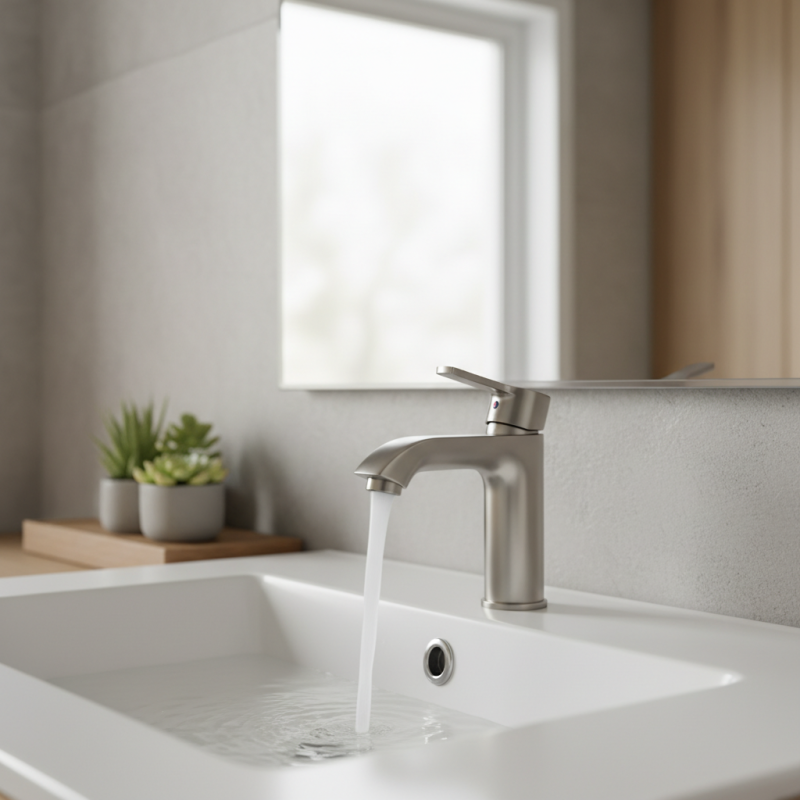
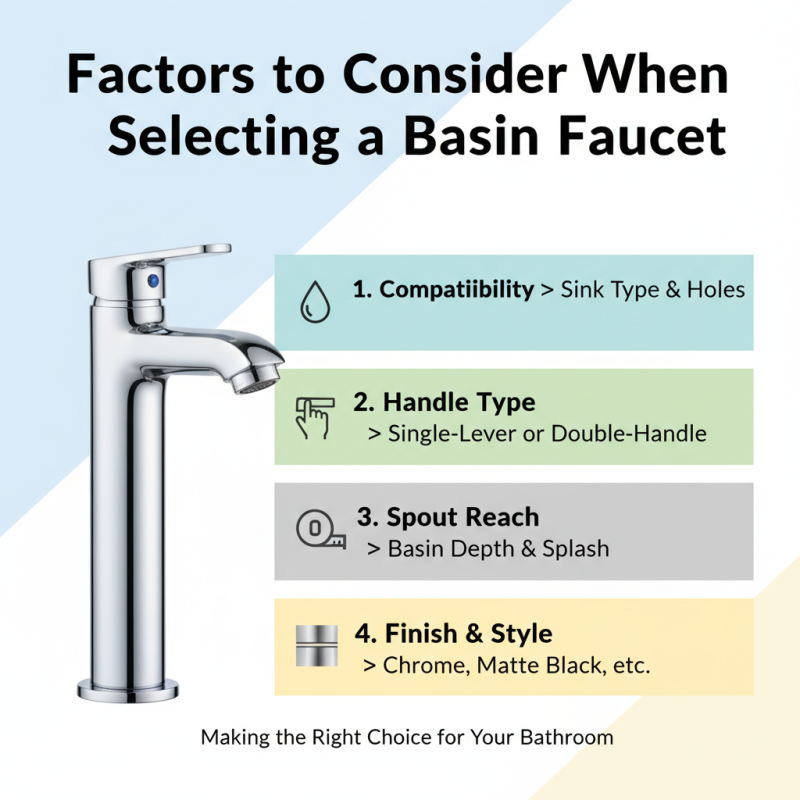
Factors to Consider When Selecting a Basin Faucet
Choosing the right basin faucet can be daunting. There are several factors to consider.
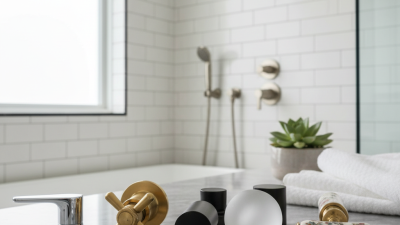
Material is crucial. Brass and stainless steel are durable options. They resist corrosion and provide longevity. Their finishes can vary, adding style. Consider how each material looks in your bathroom setting. Some finishes hide water spots better than others.
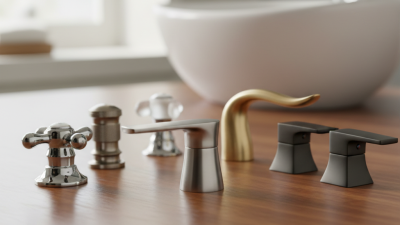
Next, consider the handle type. Single-handle faucets offer ease of use. They control both hot and cold water with one movement. Dual-handle models allow for precise temperature adjustments. Think about what feels comfortable for your hands. Also, factor in installation specifics. Some faucets require more space due to their design. Whether you’re replacing an old faucet or installing a new one, measure carefully.
Water flow rate is another important detail. A higher flow rate can improve your experience, but it may lead to higher bills. Check local regulations for water conservation. Sometimes, less is more when it comes to water usage. Look at reviews for real-world performance. User experiences can alert you to potential issues. Take your time. Choosing a faucet is not just about style; it’s about functionality for years to come.
Different Styles of Basin Faucets and Their Aesthetics
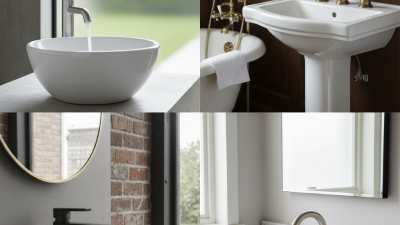
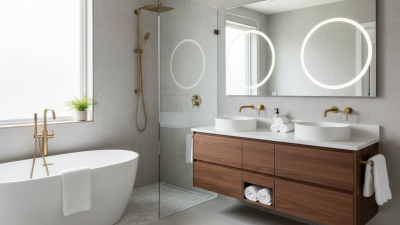
When selecting a basin faucet, aesthetics play a vital role. There are various styles to consider, each offering unique visual appeal. Traditional faucets often feature intricate designs, showcasing elegance and timeless beauty. They work well with classic or vintage bathroom decor. The ornate details on these faucets can enhance the overall ambiance, making the space feel more inviting.
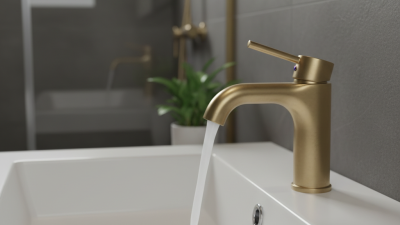
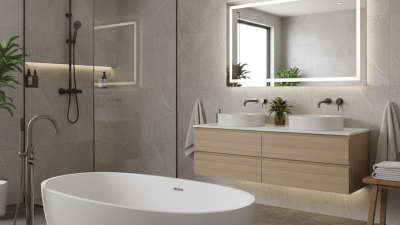
In contrast, modern faucets exhibit sleek lines and minimalistic designs. These pieces often come in chrome or matte finishes, adding a sophisticated touch. Their simple form can create a stark visual contrast in a more traditional setting, provoking thought about the balance of styles. Also, some eclectic designs may merge different materials, such as wood and metal, creating a striking presence that demands attention.
Choosing the right style goes beyond mere looks; functionality must also be considered. For instance, high-arc faucets offer more space for washing hands and filling pots. However, they may not suit every basin size. Think about how each style complements the bathroom’s overall theme. Take the time to reflect on what feels right for your home; aesthetics should resonate with your personal taste and lifestyle.
Different Styles of Basin Faucets and Their Aesthetics
Material Types and Durability of Basin Faucets
When choosing a basin faucet, material types significantly impact durability and performance. Stainless steel and brass are common options, offering strength and resistance to corrosion. A recent industry report from the International Association of Plumbing and Mechanical Officials indicates that brass faucets can last over 15 years. This durability makes them a solid choice for long-term use.
However, not all materials are created equal. Plastic faucets, while affordable, may not withstand wear and tear. They often need replacing after just a few years. A study by the National Kitchen and Bath Association highlights that homeowners frequently report dissatisfaction with cheaper plastic options. Investing in high-quality materials can prevent early failures.
Another consideration is the finish of the faucet. Chrome finishes are popular for their sleek look, but they can scratch and tarnish over time. Copper and bronze provide more resilience against these issues, often lasting longer in high-use environments. Selecting a basin faucet with the right material and finish requires careful thought. Reflect on your specific needs and usage conditions before making a decision.
How to Choose the Best Basin Faucet for Your Home? - Material Types and Durability of Basin Faucets
| Material Type |
Durability (Years) |
Corrosion Resistance |
| Stainless Steel |
15-20 |
Excellent |
| Brass |
10-15 |
Good |
| Chrome Plated |
5-10 |
Moderate |
| Plastic |
3-5 |
Poor |
Understanding Faucet Mechanisms and Performance
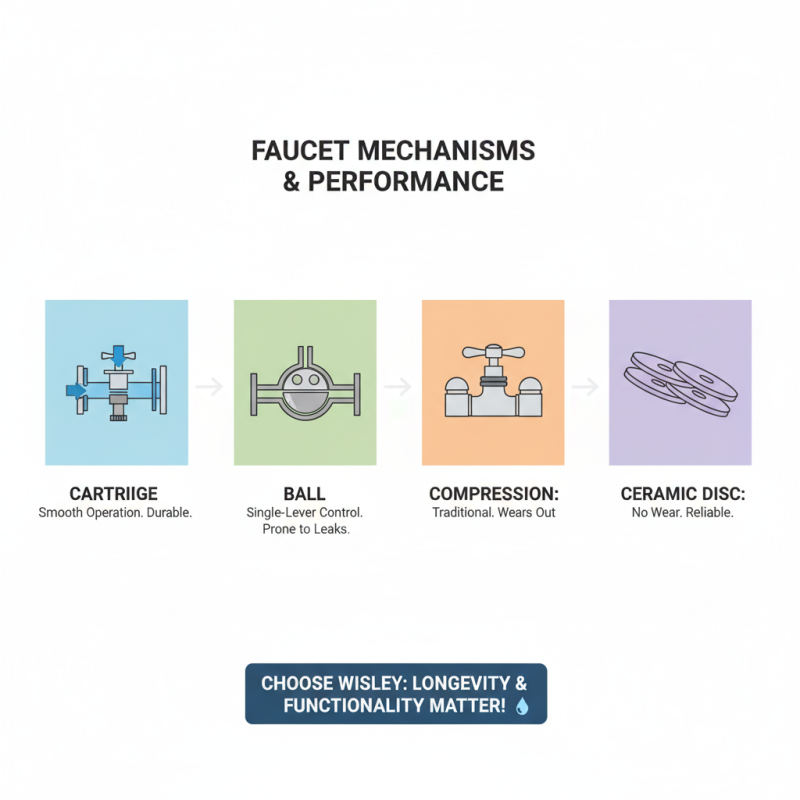
Choosing the right faucet for your home can be a challenging task. Understanding the mechanisms behind faucets is crucial. There are various types, including cartridge, ball, compression, and ceramic disc. Each has its unique operation, affecting longevity and functionality.
Cartridge faucets are popular for their reliability. They typically last longer than other types. However, they can wear out and require occasional replacement. Ball faucets offer a single handle design, making them easy to use. Yet, their complexity may lead to more frequent repairs.
Ceramic disc faucets are known for their durability. They provide a smooth operation and often prevent leaks. On the other hand, compression faucets are the oldest type. They can be prone to leaks and might need regular maintenance. Selecting the right mechanism involves considering your usage habits and the maintenance you're willing to perform. Balancing performance and convenience is key to making an informed choice.
Installation Tips for Your Chosen Basin Faucet
Installing a basin faucet may seem straightforward, but careful planning is key.
Begin by gathering your tools: an adjustable wrench, plumber’s tape, and a basin wrench.
Turn off the water supply before starting. Some homeowners overlook this crucial step, leading to unwanted leaks or water damage.
Next, ensure your chosen faucet fits the configuration of your sink.
Check the number of holes required for installation.
If you need to make adjustments, be prepared for extra work. This can be messy and frustrating, especially for those without experience.
Connecting the hot and cold water lines may also pose a challenge. Just remember: tight connections are essential to avoid leaks, but over-tightening can break the fittings.
After positioning the faucet, secure it properly. If it wobbles, it can eventually lead to premature wear.
Use caulk or a rubber gasket at the base to minimize movement. Once everything is in place, turn the water supply back on slowly.
Inspect for leaks as the pressure builds. Fix any issues before considering the job complete.
Taking these steps seriously can save you from future repairs.