How to Choose the Right Pull Out Faucet for Your Kitchen Needs?
Choosing the right pull out faucet for your kitchen can be challenging. The variety of styles and features can overwhelm anyone. A pull out faucet offers flexibility and ease of use, but how do you pick the best one?
When selecting a pull out faucet, consider your kitchen style. Look at the space you have. A sleek design suits modern kitchens, while traditional styles add charm. Don't forget about functionality. Some faucets offer spray functions; others provide a simple stream. You need to think about what you will use it for.
Price is another important factor. High-end models may shine, but do they fit your budget? You might find a more affordable option that meets your needs. Consider reading user reviews too. Understanding others' experiences can guide you. Ultimately, the perfect choice should blend design, functionality, and cost-effectiveness. This balance is key to a fulfilling kitchen experience.
Understanding the Functionality of Pull Out Faucets in Modern Kitchens
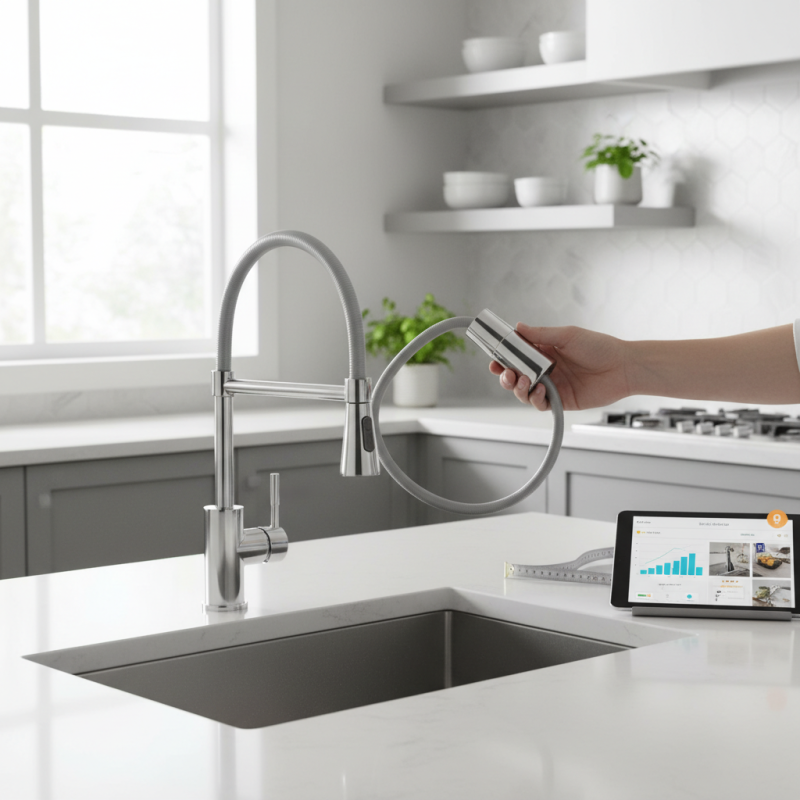
Pull-out faucets have become a staple in modern kitchens. Their versatile functionality can significantly enhance daily tasks. A survey by the National Kitchen and Bath Association reveals that over 70% of homeowners prefer faucets that offer convenience and flexibility. Pull-out faucets provide this, allowing users to easily wash large pots or fill containers with greater ease.
The retractable hose of a pull-out faucet typically extends between 20 to 30 inches. This gives ample reach across the sink. Many users appreciate this feature, especially those with deep or oversized sinks. However, 30% of users admit to facing challenges with the hose retraction mechanism over time. It’s essential to consider this when choosing a faucet.
Another aspect is the spray patterns. Most pull-out faucets offer a button to switch between stream and spray modes. This versatility can streamline your workflow. Yet, some users find the switches too sensitive, leading to accidental changes while using the faucet. It’s a good reminder to test these features before making a final decision.
Key Features to Consider When Choosing a Pull Out Faucet
When selecting a pull-out faucet, several key features should be prioritized. One crucial aspect is the spray head functionality. Many modern faucets include multiple spray settings, like stream and spray modes. According to recent industry reports, nearly 70% of homeowners prefer faucets that offer this versatility. This allows for a mix of efficient washing and targeted rinsing.
Another vital feature to consider is the reach of the pull-out hose. A longer hose can enhance maneuverability, making cleaning tasks easier. Models with a hose length of 20 inches or more are often favored. Additionally, check for a smooth retraction mechanism. Many designs strive for convenience, but not all succeed. Some may struggle to retract smoothly, which can lead to frustration.
Lastly, the construction material is essential for durability. Stainless steel faucets tend to resist corrosion and stains better than plastic alternatives. Nevertheless, users often overlook this detail, potentially leading to early wear and tear. Balancing features with quality is key. Homeowners should pay close attention to these factors to find a faucet that not only looks good but performs reliably over time.
The Importance of Flow Rate and Water Pressure in Faucet Selection
When selecting a pull-out faucet, understanding flow rate and water pressure is essential. Flow rate measures how much water flows through the faucet, typically in gallons per minute (GPM). A higher flow rate means faster filling of pots and easier dish rinsing. However, some tasks require a gentle stream. Balancing these needs ensures both efficiency and convenience.
Water pressure also plays a critical role. Low water pressure means a weak flow, making tasks frustrating. Check the pressure before buying. Too high can cause splashing. Conventional measures suggest a household pressure between 40 to 60 psi.
Tip: Measure your current water pressure. You may need to adjust accordingly. If pressure is low, consider a faucet with an aerator to improve flow.
Tip: Analyze your cooking habits. Do you often fill large pots? A higher flow rate will save time. Do you prefer precision? Look for models that offer adjustable spray settings.
Not every faucet will meet your needs perfectly. Reflect on your average use. Some users find they chose a high flow rate when a moderate one would suffice. It's worth reconsidering your priorities when making your selection.
Water Flow Rate and Pressure Comparison for Kitchen Faucets
Material and Finish Options for Durability and Aesthetics
When selecting a pull-out faucet for your kitchen, considering material and finish is crucial. Stainless steel is a popular choice. It is both durable and resistant to corrosion. A brushed finish not only hides fingerprints but also adds a modern touch. Some may prefer a polished finish for a sleeker look, but it requires more maintenance.
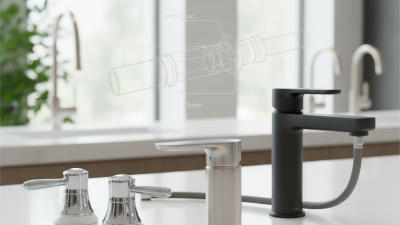
Tips: Think about your kitchen style. A matte black finish can create a bold statement. However, it can show water spots more prominently compared to lighter finishes. Conversely, colors like chrome are versatile and easily blend into various decor styles but may scratch over time.
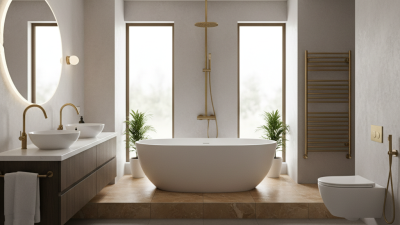
Another material option is brass, known for its strength. A matte or antique brass finish can give your kitchen a vintage charm. However, brass faucets may develop patina, which can be appealing or undesirable, depending on personal taste. Realistic expectations about upkeep are essential. A well-chosen finish enhances both functionality and aesthetic appeal, but maintenance varies widely.
Comparing Top Brands and Models Based on Consumer Ratings and Reviews
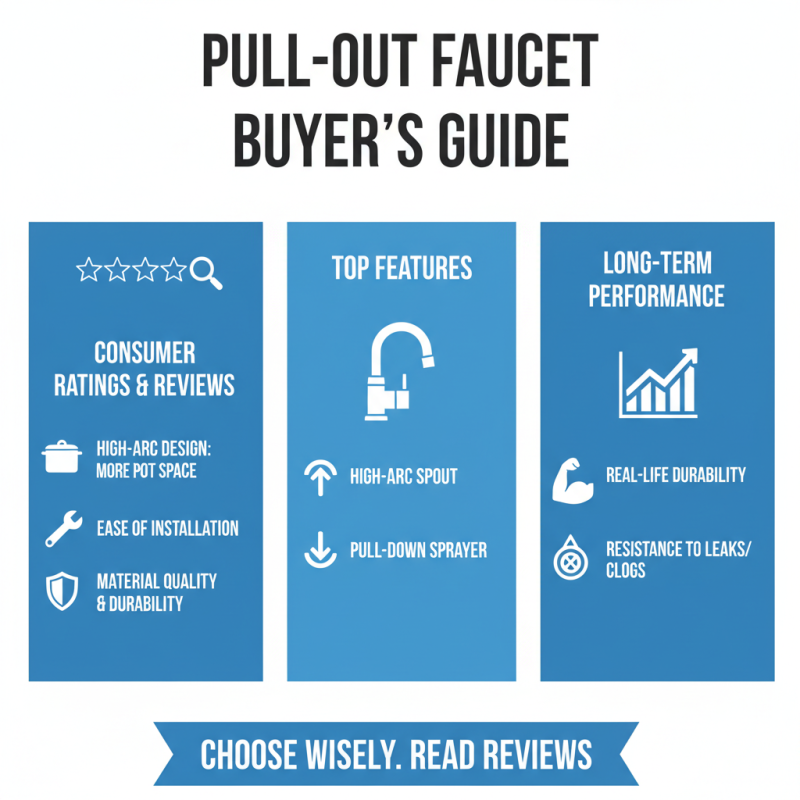
When selecting a pull-out faucet, consumer ratings and reviews play a crucial role. Many users appreciate features like a high arc design, which provides ample space for large pots. Others focus on the ease of installation and the quality of materials used. The ratings often highlight how well the faucet holds up over time. Some models claim durability but fail in real-life applications.
Customer feedback frequently mentions nozzle performance as a key factor. A smooth retracting hose is essential for efficiency. Users often point out that not all faucets function seamlessly, with some becoming snagged or stiff. Such details can significantly impact daily cooking tasks.
Moreover, aesthetics matter too. Many reviews comment on styles that blend well with various kitchen decors. However, frequent design changes may confuse buyers. If a model looks appealing but has poor reviews, it raises questions. Reflecting on user experiences reveals that the right faucet isn’t solely about looks; it's about functionality.