Best Window Handle Options for China Sourcing Today?
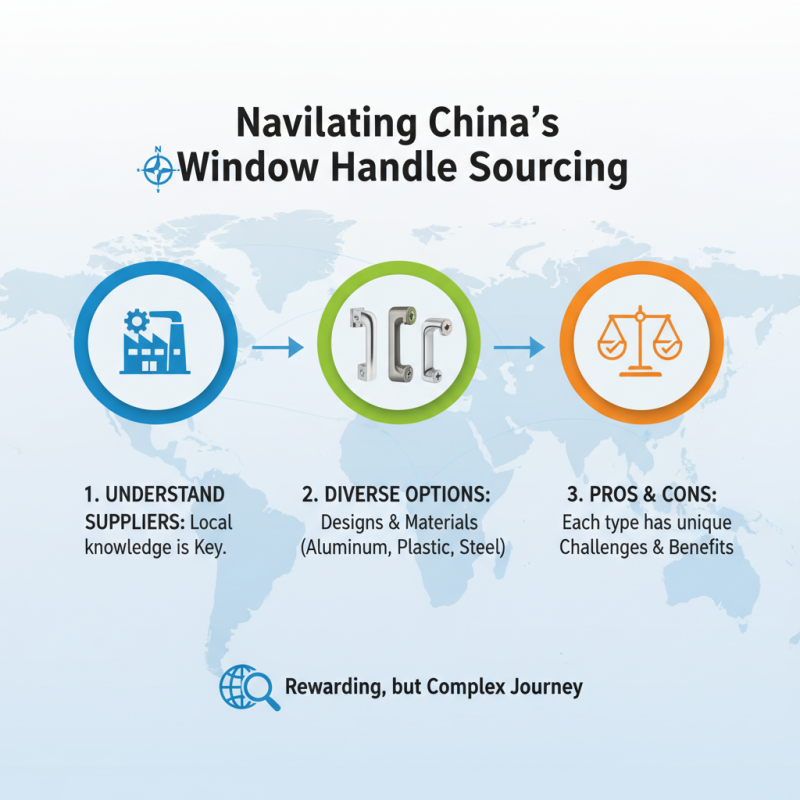
When sourcing window handles in China, selecting the right option is crucial. Window handles play a significant role in both functionality and aesthetics in any building. With a variety of designs and materials available, buyers face a complex decision-making process. This article presents the best window handle options for today’s sourcing landscape in China.
In an increasingly competitive market, understanding the latest trends is vital. Manufacturers are innovating, offering more durable and stylish window handles. However, with this vast selection, potential buyers may feel overwhelmed. It's important to recognize that not all options are created equal. Some handles may not meet quality standards, requiring reflection on what truly matters.
Ultimately, making informed choices about window handles can enhance overall building quality. Buyers should prioritize reliability and style. By focusing on well-reviewed options, improving sourcing strategies becomes possible. The emphasis on quality is essential to ensure long-term satisfaction and avoid potential regrets.

Understanding the Importance of Quality in Window Handles
When sourcing window handles in China, quality should be your top priority. Quality impacts both functionality and safety. A well-designed handle ensures easy operation and durability. Poor quality handles can break easily or become loose over time, which compromises window security.
It's essential to consider the materials used in manufacturing window handles. Metal handles usually offer greater longevity than plastic ones. However, not all metals are created equal. Subpar alloys can corrode, leading to premature failure. Regular testing for strength and resilience is crucial. Choosing suppliers with a commitment to quality standards helps mitigate this risk.
Understanding the quality can avoid costly mistakes. Often overlooked, the design can influence user experience. Ergonomics play a role; uncomfortable grips can lead to dissatisfaction. It’s worth investing time in research to find reliable sources. While many suppliers may claim to deliver quality products, it’s essential to verify their track record.
Key Materials Used in Window Handle Manufacturing
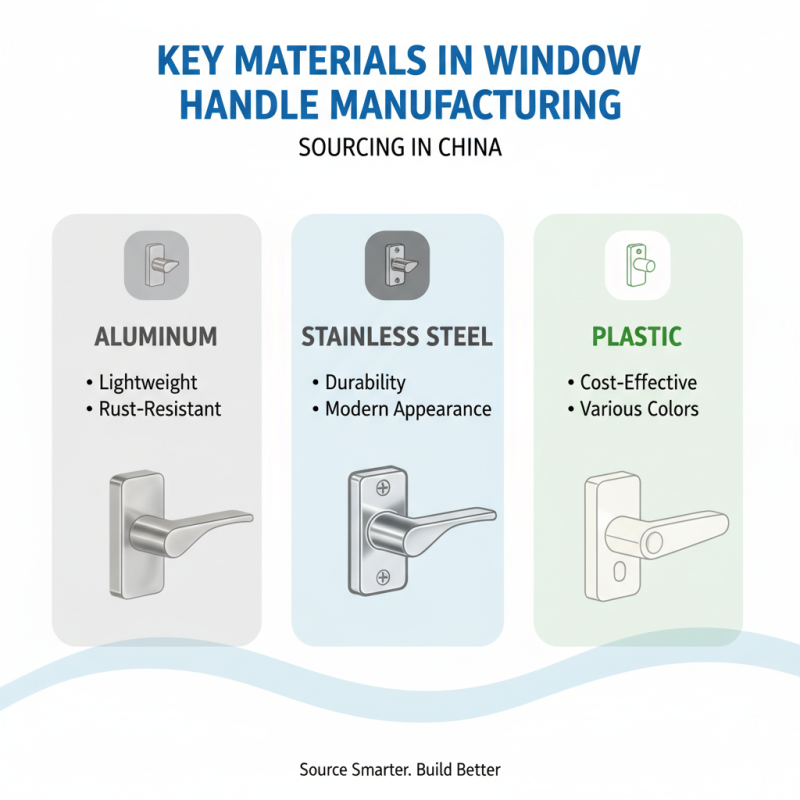
When sourcing window handles in China, understanding the key materials used in their manufacturing is crucial. Common materials include aluminum, stainless steel, and plastic. Aluminum is lightweight and resistant to rust, making it a popular choice. Stainless steel adds durability and a modern appearance. Plastic handles are often cost-effective and come in various colors.
Tips: When choosing materials, consider the climate. Humid environments can rust certain metals. Conducting a material test before bulk ordering can avoid costly mistakes.
Another aspect to consider is the design and ergonomics of window handles. A good design ensures ease of use and safety. Look for handles that offer a firm grip and are comfortable to operate. While aesthetics matter, functionality should not be compromised.
Tips: Engage potential users when designing handles. Their feedback can reveal practical insights that enhance user experience. Balancing design with practicality can lead to better customer satisfaction.
Top Features to Look for in Sustainable Window Handles
When sourcing window handles for sustainable projects in China, consider crucial features that enhance durability and environmental impact. Reports from the Global Window Handle Market indicate that materials play a pivotal role. Handles made from recycled materials can reduce carbon footprints significantly. Research shows that handles crafted from recycled aluminum are lightweight and resistant to corrosion, ensuring longevity.
Another essential feature is ergonomic design. Studies have shown that well-designed handles decrease user strain and improve functionality. The accessibility of these handles meets various user needs, promoting inclusivity. However, companies must reflect on the balance between aesthetics and durability. Sometimes, visually appealing designs may compromise safety and strength.
Focusing on the manufacturing process is equally important. Sustainable practices, such as low-energy production methods, can yield high-quality results. Missteps often occur when businesses choose cost over quality in their sourcing processes. Understanding this trade-off can guide more responsible purchasing decisions. Investing time in evaluating options can lead to better long-term outcomes.
Best Window Handle Options for China Sourcing Today? - Top Features to Look for in Sustainable Window Handles
| Handle Type |
Material |
Sustainability Features |
Ergonomics Rating |
Durability |
| Crank Handle |
Aluminum |
Recyclable, Low-Carbon Production |
4/5 |
High |
| Sliding Handle |
Stainless Steel |
Corrosion-Resistant, Durable |
5/5 |
Very High |
| Tilt and Turn Handle |
Recycled PVC |
Eco-Friendly, Energy-Efficient Design |
4/5 |
Medium |
| Push-Down Handle |
Bamboo Composite |
Biodegradable, Sustainable Materials |
5/5 |
Medium |
| Child Safety Handle |
Recycled Aluminum |
Safe and Sustainable Design |
4/5 |
High |
Evaluating Manufacturer Reliability and Product Quality in China
Evaluating manufacturer reliability and product quality in China is crucial for window handle sourcing. Recent industry reports indicate that over 40% of buyers face challenges with product defects and delivery delays. These issues often arise from inadequate quality control measures during production. A third-party audit can reveal inconsistencies that may otherwise go unnoticed.
Additionally, the choice of manufacturer plays a significant role in product quality. It is essential to consider manufacturers with proven track records. Data shows that companies with certifications, such as ISO 9001, report fewer quality issues. Engaging with manufacturers who prioritize transparency in their operations can enhance trust. However, don’t overlook the importance of communicating expectations clearly to avoid misunderstandings.
Despite a rich pool of manufacturers, not all are reliable. Local reviews and industry feedback can provide valuable insights. Some businesses have found discrepancies between online ratings and actual performance. Regular follow-ups and inspections are vital to mitigate risks. Ultimately, investing time in evaluating potential partners can lead to significant long-term benefits.
Best Window Handle Options for China Sourcing Today