2026 Best Supporting Bar Options for Home and Commercial Use
In the world of hospitality, a quality Supporting Bar is essential. It enhances both home and commercial spaces, creating inviting atmospheres. Industry expert, James Turner, states, "A great Supporting Bar elevates any gathering." This view resonates with many who appreciate the blend of function and design.
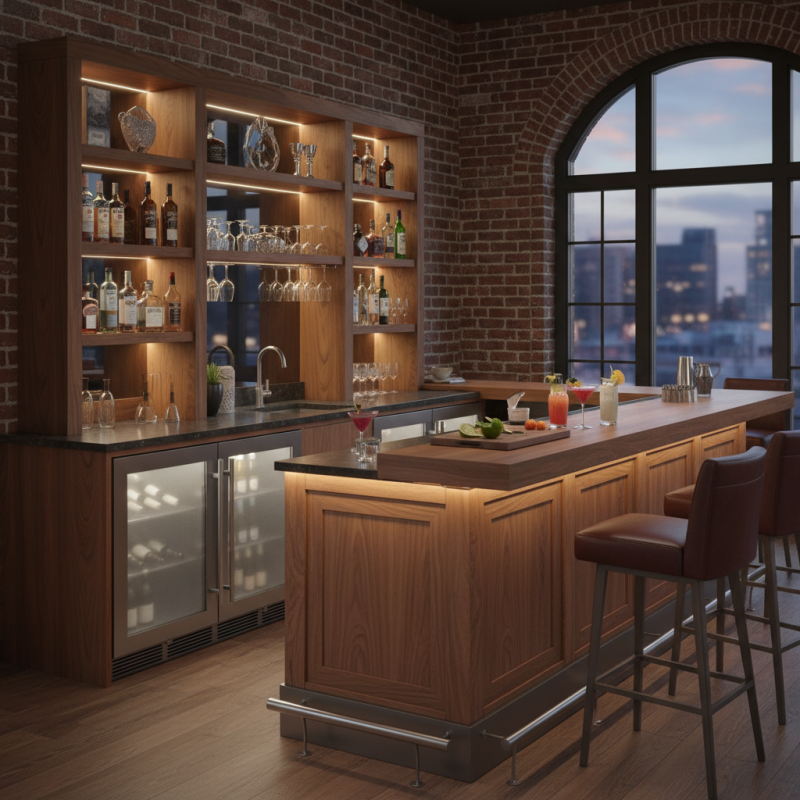
Choosing the right Supporting Bar involves numerous considerations. You may want style, materials, or even size. Success often lies in the details. For example, a sleek wooden bar can warm a room, while stainless steel adds a modern touch. Yet, not all options suit every space.
Reflecting on the available choices is crucial. Some bars lack practicality despite their beauty. It's essential to balance aesthetics with usability. Functionality should never be an afterthought. A Supporting Bar must serve its purpose well, inviting guests to enjoy and linger.
2026 Best Supporting Bar Options for Home and Commercial Use
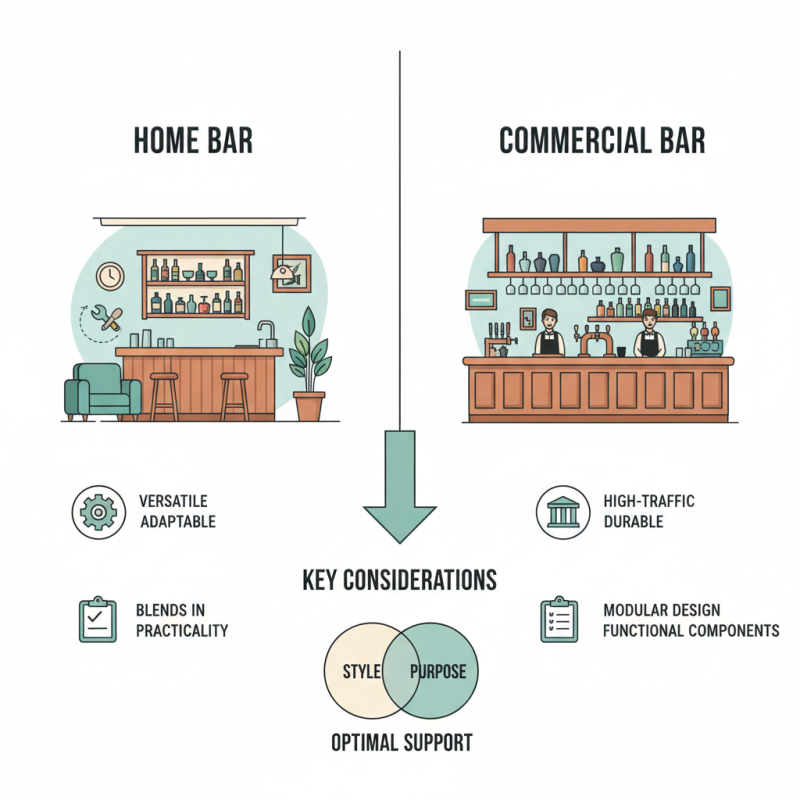
When selecting the best supporting bar options for both home and commercial use, versatility is key. A good bar should not only support various activities but also blend well with the surroundings. Look for bars that can adapt to different settings. Some designs may impress at first glance but fail in functionality. Consider the practicality of the bar furniture. Every component should balance style with purpose.
In home spaces, a supporting bar can enhance social gatherings. Choose designs that encourage interaction and provide ample space for drinks and snacks. Commercially, these bars must withstand high traffic and heavy use. They should be crafted from durable materials that ensure longevity. Yet, striking the right balance between aesthetics and utility can be challenging. Sometimes, a bar can look magnificent but lacks essential features like storage.
Lighting plays an essential role in the atmosphere. The wrong light can ruin even the best bar setup. Integrating adjustable lighting options often goes overlooked. It’s a subtle enhancement that creates different moods. Experimenting with layout and design can lead to unexpected challenges. Ask for feedback from friends or patrons. Reflecting on their experiences can help identify areas for improvement.
Top Features to Consider in Supporting Bars for Any Space
When selecting supporting bars for home and commercial use, consider key features that enhance functionality and appearance. Stability is paramount; a well-built bar must withstand daily use. According to industry reports, nearly 70% of bar owners prioritize sturdiness in their choices. A heavy-duty frame can significantly improve durability, especially in high-traffic environments.
Design is also crucial. The trend shows that bars with sleek, modern designs attract more customers. Aesthetic appeal can influence spending behavior. For home use, the color and material should complement existing decor. Wood finishes add warmth, while metal designs lend a contemporary feel.
Tips: Always check weight limits before purchasing. Safety is non-negotiable. Consider bar height as well. Standard heights vary, and comfort matters.
Don't overlook versatility. Supporting bars should be adaptable to different occasions. They need to function well for casual gatherings and formal events alike. Industry data suggest that configurations offering adjustable features are increasingly popular. Reflect on your needs and space before making a decision. Choose wisely.
Comparative Analysis of Home vs. Commercial Supporting Bar Designs
When comparing supporting bar designs for home and commercial use, key differences emerge. Home bars focus on aesthetics, creating inviting and cozy spaces. Many homeowners prefer designs that reflect personal style, using wood finishes and soft lighting. A recent industry report indicates that 42% of homes opt for rustic styles, favoring a warm ambiance.
In contrast, commercial bars prioritize functionality and durability. Popular designs often include stainless steel and modular components. These features withstand heavy usage and are easy to clean. Research suggests that commercial establishments invest roughly 30% more in bar design solutions to enhance efficiency. Many commercial owners face challenges. Balancing sleek design with practicality can be tricky.
Home bars, while stylish, may struggle with space limitations. According to surveys, about 48% of homeowners encounter design constraints. They must think creatively to optimize their layout. On the other hand, commercial spaces often have to cope with zoning laws and safety regulations. This complexity can hinder innovation. The need for attractive yet compliant designs often leads to compromises, making the comparative analysis even more fascinating.
2026 Best Supporting Bar Options for Home and Commercial Use - Comparative Analysis of Home vs. Commercial Supporting Bar Designs
| Design Type |
Material |
Weight Capacity (lbs) |
Dimensions (inches) |
Ideal Use Case |
Price Range ($) |
User Ratings (out of 5) |
| Home Bar |
Wood |
300 |
48 x 24 |
Residential |
150 - 300 |
4.5 |
| Commercial Bar |
Metal |
800 |
72 x 30 |
Restaurants |
500 - 700 |
4.7 |
| Home Mini Bar |
Glass |
200 |
36 x 18 |
Apartments |
100 - 200 |
4.3 |
| Outdoor Bar |
Synthetic |
400 |
60 x 30 |
Patios |
200 - 400 |
4.6 |
| Portable Bar |
Aluminum |
250 |
48 x 24 |
Events |
150 - 250 |
4.4 |
Popular Materials Used in Supporting Bars and Their Durability
When considering supporting bars for both home and commercial use, durability plays a crucial role. Many materials offer different benefits. Stainless steel is a popular choice. It resists rust and corrosion, making it ideal for high-moisture areas. However, even stainless steel can scratch. Regular maintenance is essential.
Another option is aluminum. It's lightweight and easy to install. Aluminum can withstand impact, yet it lacks the weightiness some users prefer. Some users find it feels less sturdy. If you're looking for balance, think about wood. It provides a warm aesthetic and can support weight. But wood requires regular treatments to resist wear.
Composite materials have gained traction recently. They combine the benefits of wood and synthetic materials. The result is a sturdy, weather-resistant option. However, composites sometimes fade in sunlight, requiring periodic replacement. Choosing the right material involves weighing each option's strengths and weaknesses. Your choice should reflect your specific needs and environment.
Cost Considerations for Installing Supporting Bars in Different Environments
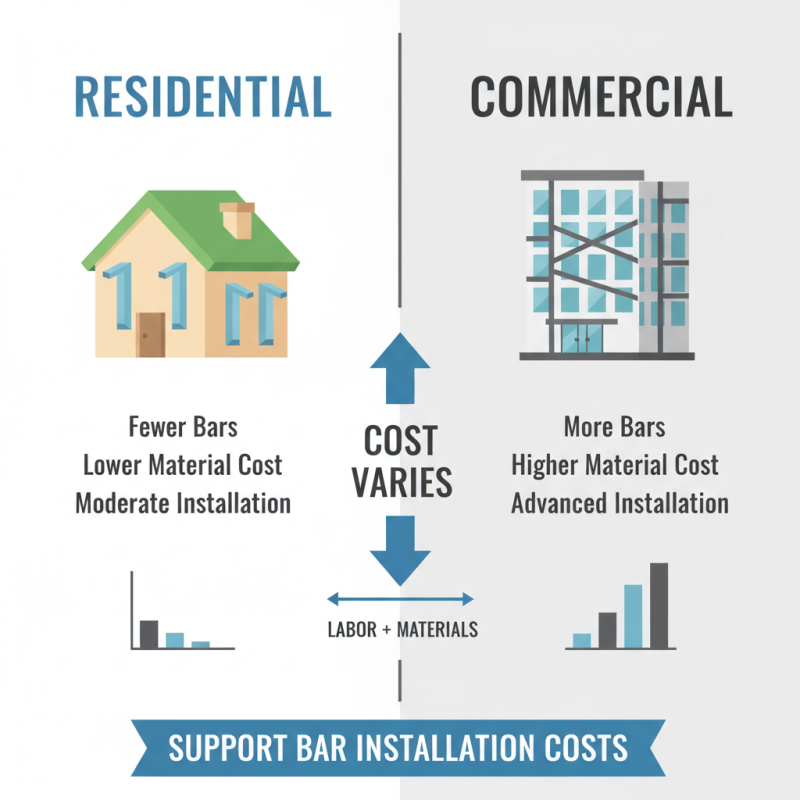
When considering the installation of supporting bars, cost plays a crucial role. Residential environments often require fewer bars compared to commercial spaces. This difference leads to varying installation costs. In homes, materials tend to be less expensive. The average price includes labor, which can vary by region. A simple installation might range from moderate to high, depending on the complexity.
In commercial applications, the situation changes. Businesses often seek durability and compliance with safety standards. This can significantly raise costs. Higher-grade materials are typically chosen. Additionally, installation often necessitates skilled labor. Properties with heavy traffic need more robust solutions. These factors can drive overall expenses higher than residential installations.
Budgeting for supporting bars also involves future maintenance. Consider the long-term costs as well. Frequent use may lead to wear and tear, demanding repairs or replacements. That can be an overlooked aspect. Evaluating these details ahead can prevent inescapable costs down the road. Each environment has its unique challenges. Understanding them is essential for effective planning.
Conclusion
The article "2026 Best Supporting Bar Options for Home and Commercial Use" provides a comprehensive guide to selecting the ideal supporting bars for various settings. It emphasizes key features that should be considered, such as strength, design, and ease of installation, ensuring safety and functionality in both home and commercial environments. By comparing the specific needs and designs for residential versus commercial spaces, the article highlights how the choice of supporting bars can greatly impact user experience.
Additionally, the piece explores the materials commonly used in supporting bars, focusing on their durability and longevity. Cost considerations are also addressed, guiding readers on how to budget for installation in different scenarios. To enrich the decision-making process, customer reviews and ratings of leading supporting bar options are included, providing insights into performance and satisfaction levels, ultimately helping consumers make informed choices for their supporting bar needs.