When upgrading your kitchen or bathroom, choosing the right Faucet Body is crucial. Experts agree that this decision impacts both functionality and design. John Hargrove, a renowned plumbing expert, notes, “The right Faucet Body can transform an ordinary space into something extraordinary.”
Many homeowners overlook the importance of a quality Faucet Body. They often focus on style or finish, forgetting the foundation of performance. This can lead to frustrations later. Imagine dealing with leaks or outdated technology when a simple upgrade could have made all the difference.
Selecting a Faucet Body should involve careful consideration. Different materials and designs offer unique benefits. It’s not just about aesthetics; it’s about durability and efficiency. A well-chosen Faucet Body enhances your daily experience. However, many still struggle to make the best choice. Reflecting on this can lead to a more satisfying home upgrade.
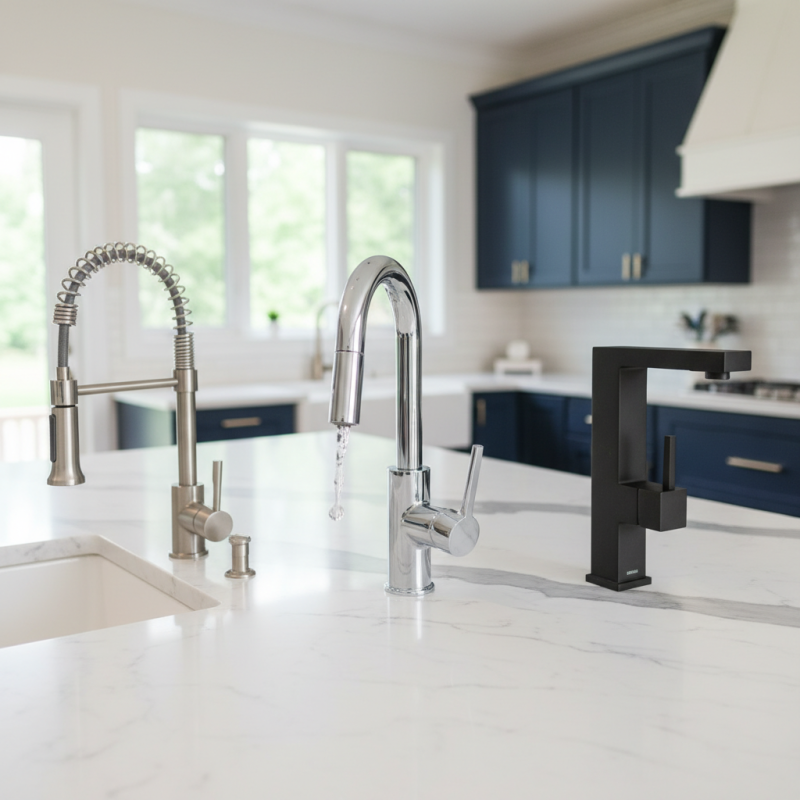
Faucet body types play a crucial role in any home upgrade. A well-chosen faucet enhances both functionality and aesthetics. A report from the Plumbing Manufacturers International indicates that around 40% of homeowners prioritize faucet selection during renovations. Understanding the various types can prevent costly mistakes.
There are three main faucet body types: cartridge, compression, and ball. Cartridge faucets are known for their durability and ease of use. They account for about 50% of the market due to their smooth operation. Compression faucets, while traditional, often require more maintenance. They can leak or become hard to turn over time. Ball faucets, favored for their single-handle design, are less common but can be complex to repair.
Choosing the right type isn't always straightforward. Homeowners often overlook the importance of compatibility with their sinks. A misalignment can lead to water leaks, and that’s costly. According to recent data, 25% of plumbing issues arise from incorrect installations. It's essential to assess not just current needs but also future requirements. For instance, a family with young children may benefit from a more durable faucet design. Considering these factors will help ensure a smoother home upgrade experience.
| Faucet Body Type | Description | Pros | Cons | Best For |
|---|---|---|---|---|
| Single-Handle | A faucet with a single lever that controls both water temperature and flow. | Easy to use, requires less space, modern design. | May not provide precise temperature control. | Small kitchens or bathrooms. |
| Double-Handle | Faucet with two separate handles for hot and cold water. | More precise control over water temperature. | Takes up more space, can be harder to operate with wet hands. | Traditional or farmhouse-style kitchens. |
| Pull-Down | A faucet that features a spray head that can be pulled down for better reach. | Versatile use, great for rinsing and cleaning. | Head can be bulky, potential for leaks over time. | Kitchen sinks with large areas to wash. |
| Pull-Out | Similar to pull-down but has a retractable spray head that pulls outward. | Flexible reach, ideal for smaller sinks. | Potential for hose tangling, limited spray options. | Compact kitchen areas. |
| Wall-Mounted | Installed on the wall above the sink, allowing for more counter space. | Saves counter space, creates a unique look. | Requires plumbing work, can be difficult to maintain. | Modern or minimalist design settings. |
When upgrading your home, faucet body styles play a crucial role. The right choice enhances both functionality and aesthetics. A recent industry report indicates that about 75% of homeowners prioritize faucet designs that suit contemporary styles. The popularity of single-handle faucets has surged. Their easy temperature control makes them a user favorite.
Consider materials. Stainless steel remains the top choice due to its durability. However, some homeowners lean toward brass for its classic appeal. Reports show that 55% of consumers are also interested in eco-friendly options. These faucets use less water while maintaining pressure. Reflecting on these choices can reveal missed opportunities for sustainability.
Installation type is another factor. Deck-mounted faucets are common, but wall-mounted options offer a unique twist. They can save counter space in small kitchens. If you’re not careful, however, wall-mounted faucets can complicate plumbing. Weighing pros and cons is essential. Selecting the right faucet body style requires careful thought. Make informed choices for your home upgrade.
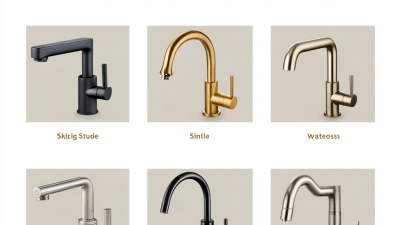
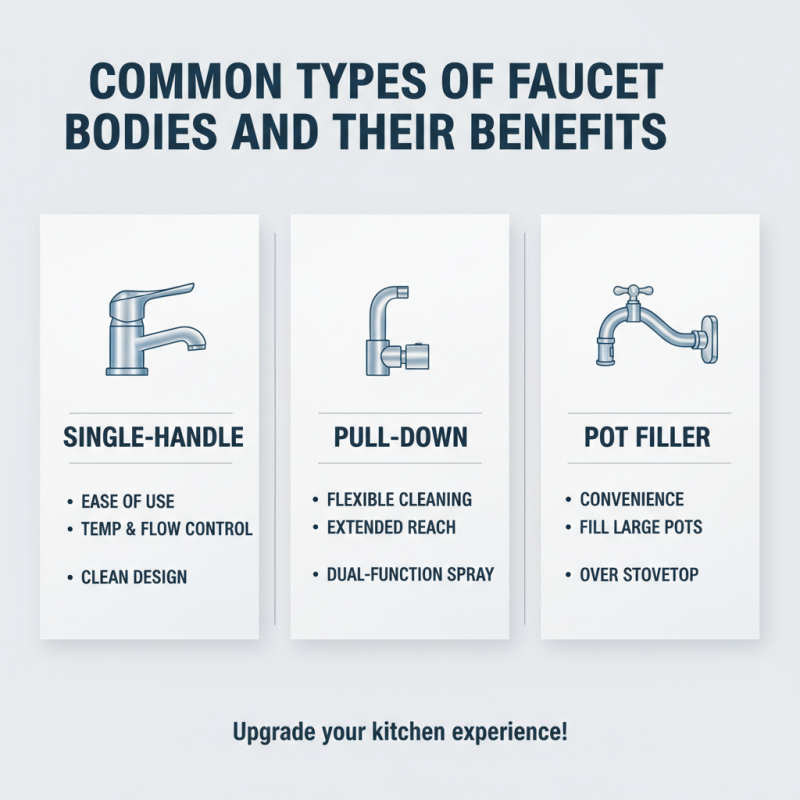
When upgrading your home, choosing the right faucet body type is crucial. Different types serve various functional and aesthetic needs. The most common include single-handle, pull-down, and pot fillers. Each has unique benefits that enhance the kitchen experience.
Single-handle faucets are popular for their simplicity. They combine hot and cold water control in one lever. According to a recent industry report, 35% of homeowners prefer this type for its ease of use and sleek design. Pull-down faucets offer versatility for food prep and cleaning. Their extendable spouts make washing large pots easier. A study found that 50% of chefs prefer this design in their kitchens.
Tips: Consider your daily needs. Think about how often you cook or entertain. This will guide your choice. Also, think about compatibility with your sink and countertop. Measure carefully to avoid unnecessary hassles during installation.
Opting for a pot filler can enhance functionality, especially if you cook often. It provides convenient access to water above the stove. Although they can be more expensive, many chefs find them invaluable. Reflect on your usage patterns before deciding.
When upgrading your home, choosing the right faucet body type is crucial. Different types of faucets require specific installation considerations. For instance, a single-handle faucet may save space, but it demands precise plumbing alignment. An incorrectly positioned line can lead to leaks or hinder functionality. Therefore, the planning stage matters significantly.
Two-handle faucets offer a stylish touch but come with their own challenges. Installing them often involves fitting two separate lines. This complexity can be daunting, especially in older homes. Not all spaces allow for easy access, meaning you might need extra tools or assistance. Assessing the layout can help avoid costly mistakes.
Consider how the faucet fits with your sink and countertop. Limited space can restrict choices. Improper installation can lead to water pooling or damage to surrounding areas. It’s essential to double-check measurements before making a purchase. Sometimes, professional help is necessary, but it's easy to overlook that until you're in the thick of the installation. Making a hasty decision here can result in regrets later on.
This chart illustrates the popularity of various faucet body types for home upgrades, helping you understand which options are preferred among homeowners.
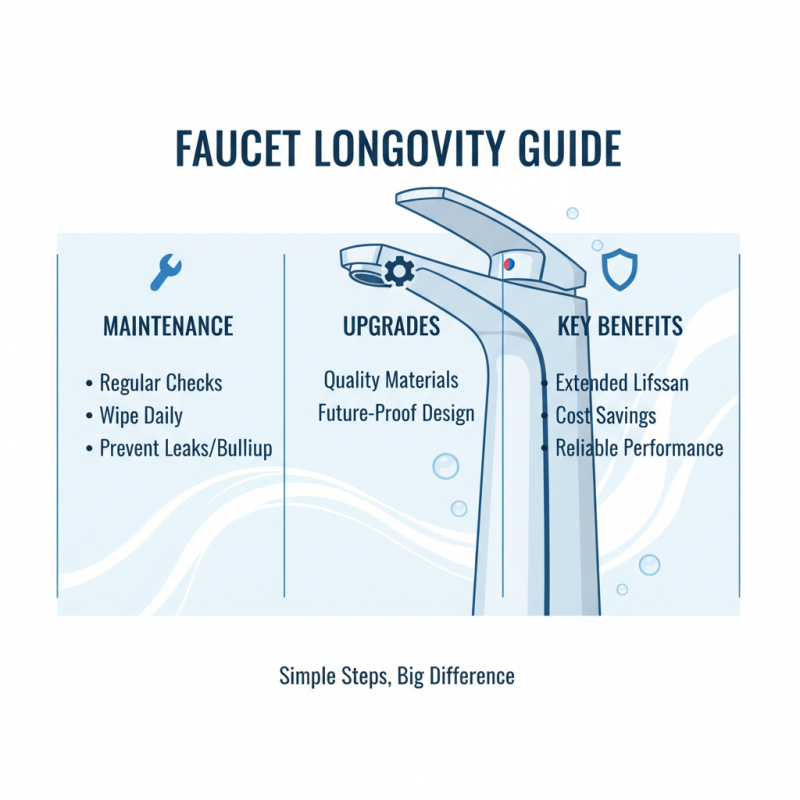
When upgrading your faucet body, longevity should be a priority. Regular maintenance extends the life of your faucet. Check for leaks or mineral buildup frequently. A simple wipe with a soft cloth can prevent grime accumulation. It is easy to overlook, but it makes a difference.
Next, consider the materials. Stainless steel is durable and resistant to corrosion. Plastic options are lighter and often cheaper, but may not last as long. Reflect on how much you use your faucet. If you cook often, choose sturdier materials that can handle daily wear and tear.
Gaskets and seals can wear out over time. If your faucet drips, replacing them is a must. It’s not always easy to spot these issues. A consistent inspection routine is necessary, even if you think everything looks fine. In the end, investing time in care can save money on replacements.