2026 Best Glass Hinge Options for Your Home Design?
As homeowners seek elegance in design, the choice of hardware plays a critical role. Glass hinges have emerged as a stylish option, enhancing the aesthetic appeal of various spaces. According to a recent industry report, around 70% of architects now recommend glass hinges for modern interiors. This trend reflects a growing preference for transparency and light.
Glass hinges provide both functionality and visual appeal. They offer seamless transitions between spaces while allowing natural light to flow freely. However, many homeowners overlook the importance of quality. A poor choice in glass hinges could lead to safety issues or a disappointing design outcome. In fact, studies indicate that 30% of homeowners report dissatisfaction with their hinge choices after installation.
Choosing the best glass hinge is not only about aesthetics but also durability. As designs evolve, so do the materials and engineering behind these hinges. Understanding these elements can prevent costly mistakes. Embracing innovative options will lead to smarter, more refined home designs.
Top Considerations for Choosing the Best Glass Hinges for Home Design
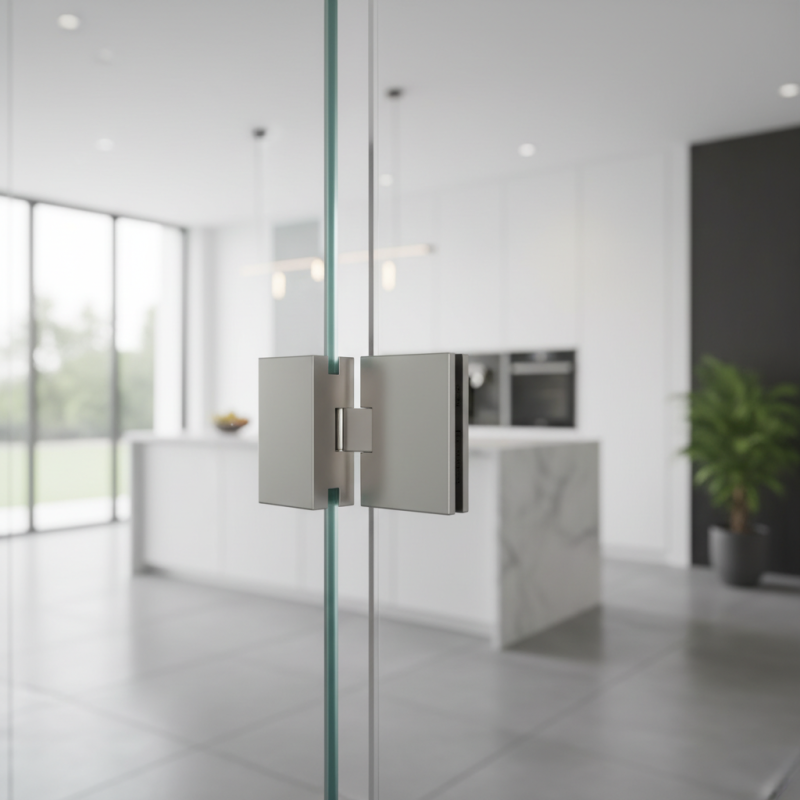
Choosing the right glass hinges for your home design involves careful consideration. One crucial factor is the weight of the glass door. Heavier doors require sturdier hinges. You don’t want to risk a hinge that can’t handle the load. Pay attention to the material of the hinges too. Stainless steel is often a safe bet because of its durability. But it can sometimes lack a modern aesthetic.
Another important aspect is the finish. The finish can complement the overall design. A matte finish may add a modern touch, while a polished finish provides a classic look. Think about the functionality of the hinges as well. Will they allow for a smooth swing? Are they easy to install? These details matter. Additionally, do not overlook the available size options. Too big or too small can lead to issues. The wrong size may even spoil your design vision.
You might find various designs that catch your eye. Yet, consider how they fit into your space. A unique hinge might be appealing, but it could be impractical. Balance aesthetics with functionality. Remember to reflect on your choices and how they will impact your overall decor. At the end of the day, it’s about finding the right harmony for your home.
Types of Glass Hinges: Which is Right for Your Needs?
Choosing the right glass hinge can be tricky. There are different types, each with unique benefits. Common types include pivot hinges, continuous hinges, and offset hinges. Pivot hinges allow for smooth swinging and offer a modern look. They are ideal for glass doors that need to be the focal point of a room.
Continuous hinges provide support along the entire edge of the glass. They work well for larger panels, distributing weight evenly. However, installation might require more effort. Offset hinges, on the other hand, are great for those who want a traditional appearance. They fit well in older homes but may not be as stylish as other options.
Reflecting on your needs is essential. Think about how the hinge will be used daily. Will it be sturdy enough? Is it easy to clean? Some designs may not hold up in high-traffic areas. Others could be overwhelming in smaller spaces. Carefully consider each option to find the best fit for your home.
Durability and Maintenance of Glass Hinges in Home Environments
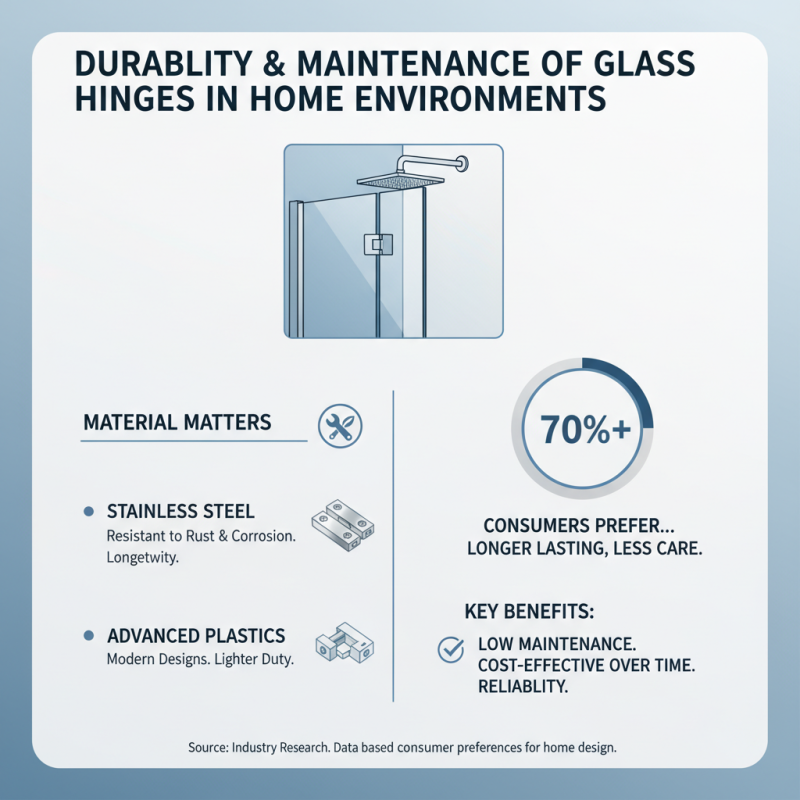
When considering glass hinges for home design, durability and maintenance are vital factors. Glass hinges are typically made from stainless steel or advanced plastics. Stainless steel offers resistance to rust and corrosion. According to industry research, over 70% of consumers report a preference for materials that last longer and require less care.
Maintenance is not as straightforward as it might seem. Cleaning glass hinges can be tricky. Regular dusting is necessary to avoid grime buildup, which can lead to wear. Some reports indicate that up to 30% of hinge failures are linked to improper maintenance. Many users overlook this aspect, leading to misunderstandings about the product's lifespan.
The ideal glass hinge must withstand various home environments. High humidity areas, like bathrooms, present additional challenges. In fact, studies have shown that nearly 40% of poorly maintained glass hinges fail within five years. Homeowners often underestimate the impact of their surroundings on hinge longevity. They need to be proactive in their care. Addressing these needs is crucial for maintaining functionality and aesthetics.
Aesthetic Impact: How Glass Hinges Enhance Your Interior Design
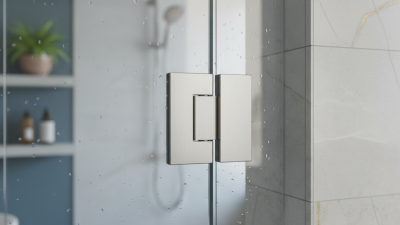
Glass hinges serve as an elegant touch in modern interiors. They create a seamless transition between spaces. With their sleek transparency, they allow light to flow freely. This quality enhances the openness of a room. You might find them in shower doors or glass cabinets. Each piece contributes to a minimalist vibe.
However, glass hinges come with considerations. They demand careful installation and maintenance. A single misaligned hinge can disrupt the aesthetic flow. Choosing the right glass thickness is crucial. Too fragile, and they risk breakage; too thick, and they may lose that delicate look.
Embracing glass hinges requires attention to detail. They can elevate your design but will challenge your decision-making process. The visual impact is significant, yet the practicality must not be overlooked. Balancing beauty and functionality is key. A well-placed hinge can transform a mundane door into a design statement.
Installation Tips for a Seamless Integration of Glass Hinges in Your Home
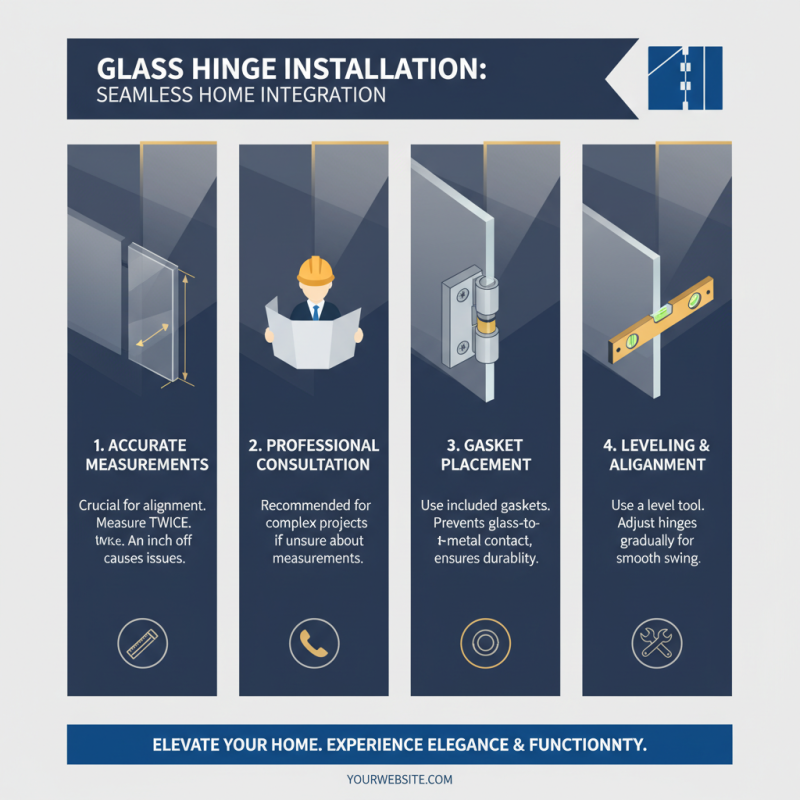
Installing glass hinges can elevate the elegance of your home design. They provide a sleek transition between spaces while ensuring functional robustness. However, achieving a seamless integration requires careful planning and execution. Start by measuring your doors accurately. An inch off can lead to misalignment. Consider consulting a professional if you're unsure about your measurements.
Next, prepare the door frame and install the hinges correctly. Use the right tools to avoid any damage. Pre-drill holes to prevent the glass from cracking. It's essential to use a level during installation; an unlevel door can create issues down the line.
Finally, pay attention to the finishing touches. Ensure that the glass panels are clean and free from clutter. Sometimes, an imperfect fit can reveal unsightly gaps. Don't rush this step. Instead, take a moment to admire your work. Reflect on areas for improvement, and note them for future projects. Perfecting the installation can be a learning process, and that's okay.