2025 Top 5 Basin Faucets: Features Driving 20% Growth in Luxury Bathroom Upgrades
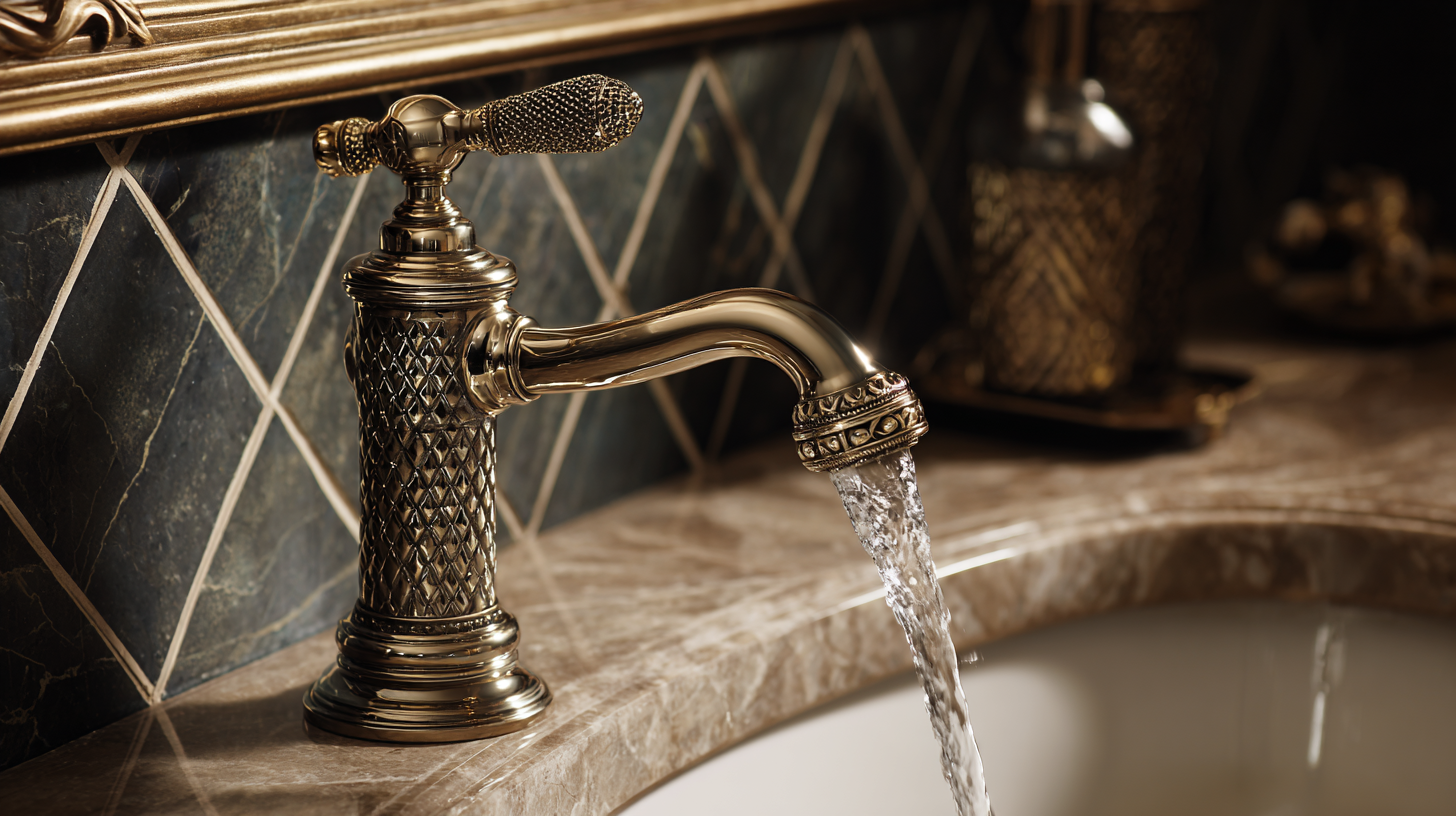
As the luxury bathroom market continues to evolve, the demand for high-end fixtures such as basin faucets is experiencing remarkable growth. According to the Global Bathroom Fixtures Market Research Report, the luxury segment is projected to grow at a rate of 20% annually through 2025, driven by rising consumer spending and a growing appreciation for premium design and functionality. The basin faucet category, in particular, is gaining significant attention as homeowners seek to elevate their bathing experiences with stylish and innovative products.
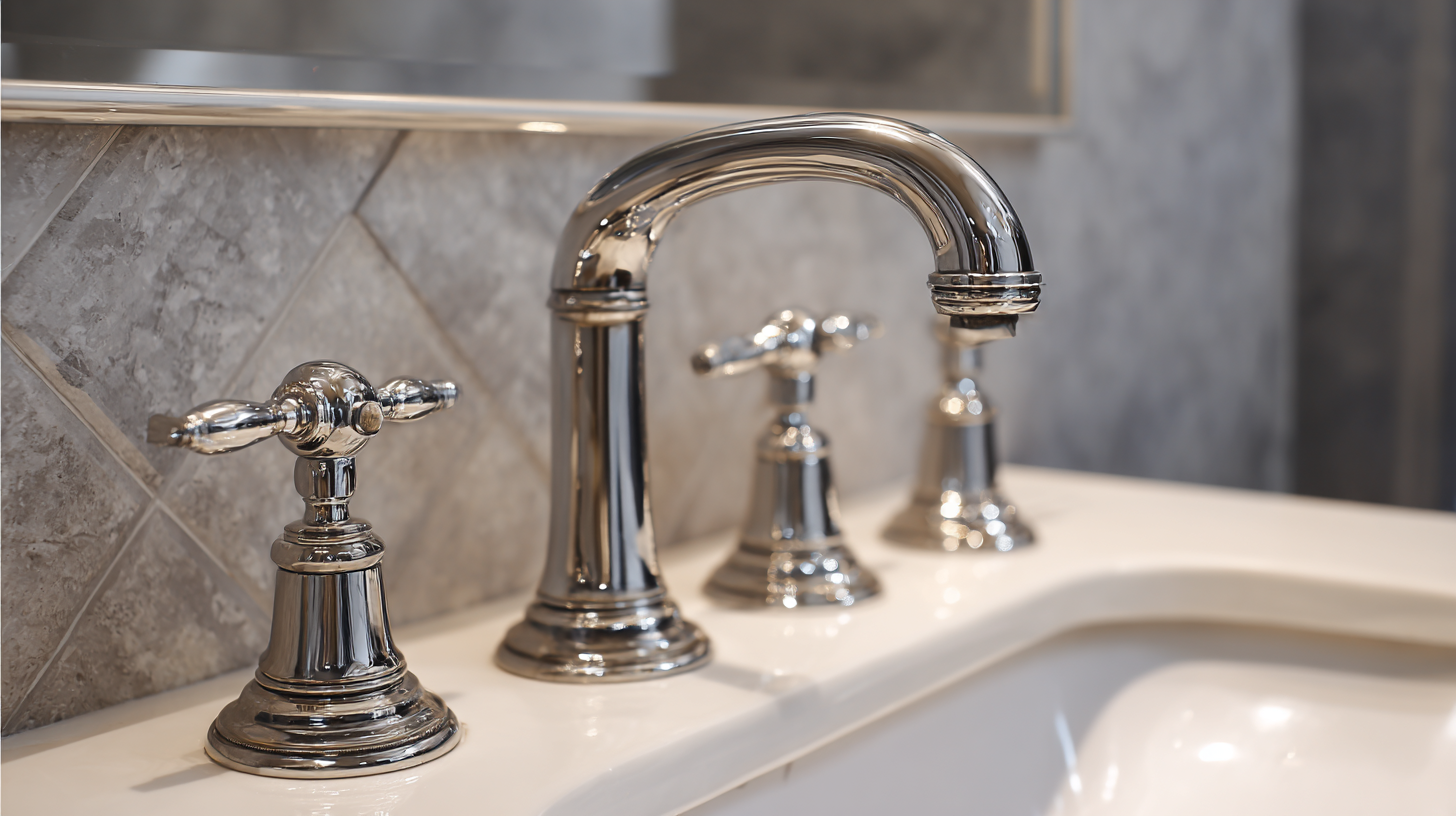
Industry expert Johnathan Marks, a leading analyst at the Bathroom Fixtures Institute, emphasizes this trend by stating, "The basin faucet has become the focal point of bathroom design, blending aesthetic appeal with practicality." His insights highlight how modern consumers are not only looking for durability but also for faucets that showcase their personal style and complement the overall décor of their bathrooms. As the market shifts towards more sophisticated options, it is crucial for manufacturers to align their offerings with the latest design trends and consumer preferences.
In this ever-competitive landscape, understanding the features that drive growth within the basin faucet segment is essential for industry players. The impending release of our "2025 Top 5 Basin Faucets" list will outline the key attributes and innovations that consumers are prioritizing, setting the stage for a transformation in bathroom spaces around the globe.
Top Design Trends Influencing Basin Faucets in Luxury Bathrooms
The luxury bathroom market is experiencing a noteworthy transformation, largely influenced by the latest design trends in basin faucets. According to a recent report by Grand View Research, the global luxury bathroom market is projected to grow by 20% by 2025, bolstered by innovative faucet designs that marry functionality with aesthetic appeal. Key features driving this trend include integrated smart technology, such as touchless controls and temperature regulation, which not only enhance user experience but also promote water conservation.
In addition to technology, sustainability is another critical trend shaping the landscape of basin faucets in luxury bathrooms. With a growing emphasis on eco-friendliness, designers are focusing on sustainable materials and finishes. The 2022 Houzz Bathroom Trends Study noted that 57% of homeowners prioritize water-efficient fixtures, signifying a shift towards environmentally conscious choices in bathroom upgrades. These design trends not only reflect consumers' desires for modernity and convenience but also align with broader environmental goals, significantly influencing market dynamics in the luxury home sector.
2025 Top 5 Basin Faucets: Features Driving 20% Growth in Luxury Bathroom Upgrades
| Basin Faucet Model |
Material Type |
Finish |
Water Efficiency (GPM) |
Smart Features |
Price Range ($) |
| Model A |
Brass |
Polished Chrome |
1.2 |
Yes |
150 - 200 |
| Model B |
Stainless Steel |
Matte Black |
1.5 |
No |
120 - 180 |
| Model C |
Zinc Alloy |
Brushed Nickel |
1.0 |
Yes |
100 - 150 |
| Model D |
Brass |
Polished Gold |
1.2 |
No |
200 - 300 |
| Model E |
Copper |
Antique Bronze |
1.3 |
Yes |
180 - 250 |
Innovative Technologies Enhancing User Experience in 2025 Faucets
As we look forward to 2025, the evolution of basin faucets is being heavily shaped by innovative technologies designed to enhance user experience. Smart faucets equipped with touchless sensor technology are leading the charge, allowing users to operate the tap with a simple wave of the hand. This feature not only promotes hygiene by reducing contact but also conserves water, appealing to eco-conscious consumers. Additionally, voice-activated controls are becoming more prevalent, making it possible to adjust water temperature and flow with ease, a game-changer for those multitasking in the bathroom.
When selecting your next basin faucet, consider opting for models with built-in water filtration systems. These faucets not only provide clean drinking water at your fingertips but also elevate your bathroom's functionality. Another tip is to look for faucets with customizable LED lights that change color based on the water temperature. This not only adds a stylish touch but also enhances safety by signaling when the water is too hot.
Beyond aesthetics and functionality, the integration of app connectivity in modern faucets allows users to monitor water usage and adjust settings remotely. With these advancements, luxury bathroom upgrades are poised to experience a remarkable growth, as consumers continue to seek convenience and enhanced experiences in their daily routines.
Sustainability Practices in High-End Faucet Manufacturing
As the luxury bathroom market experiences a significant growth trajectory—projected at 20%—the emphasis on sustainability practices within high-end faucet manufacturing becomes increasingly relevant. Leading manufacturers are now prioritizing eco-friendly materials and production techniques to align with the growing consumer demand for environmentally conscious products. For instance, faucets and faucet aerators in the United States must adhere to strict regulations limiting water usage, which reinforces the commitment to sustainability within the industry that dates back to 1994.
Furthermore, reports indicate that sustainable practices, such as the use of recycled materials and energy-efficient manufacturing processes, are not just marketing tools but essential components of production. Companies embracing these practices are likely to capture a larger share of the burgeoning luxury bathroom upgrade market. The increasing implementation of Best Management Practices (BMPs) demonstrates that the balance between luxury and sustainability is not only achievable but necessary in retaining consumer trust and satisfaction in today’s market. The hospitality sector also reflects this trend, with establishments focusing on green initiatives to attract eco-conscious visitors, showcasing a broader commitment to sustainability that extends beyond individual products to overall corporate responsibility.
The Impact of Smart Home Integration on Bathroom Upgrade Decisions
As the trend of smart home integration continues to influence consumer decisions, the luxury bathroom upgrade market is experiencing substantial growth. In 2025, it is projected that features such as smart faucets with touchless activation and water efficiency capabilities will contribute to a 20% increase in demand for basin faucets alone. A recent survey indicated that nearly 45% of consumers prioritize technology-driven features when renovating bathrooms, showcasing a clear shift towards smart home functionalities that enhance convenience and sustainability.
Moreover, the role of smart assistive devices in bathroom upgrades cannot be overstated. For individuals with disabilities, smart technologies offer autonomy and improved quality of life. Reports suggest that smart home solutions can reduce the cost of in-home care by up to 30%, making these upgrades not only a matter of luxury but also a practical investment in accessibility and safety. This intersection of smart technology and interior design indicates a growing awareness among homeowners regarding the dual benefits of enhancing living spaces while simultaneously increasing their property's value.
2025 Top 5 Basin Faucets Features Driving 20% Growth in Luxury Bathroom Upgrades
Consumer Preferences Shaping the Luxury Faucet Market Growth
Consumer preferences are increasingly shaping the luxury faucet market, particularly in the basin faucet segment, which is projected to experience a remarkable 20% growth by 2025. According to a report by Research and Markets, the global luxury faucet market is expected to reach $9.5 billion by 2025, driven primarily by the rising trend of home renovations and bespoke bathroom designs. Consumers are now seeking products that not only enhance functionality but also offer aesthetic appeal, which is reflected in their willingness to invest in high-quality fixtures that align with their personal style and environmental values.
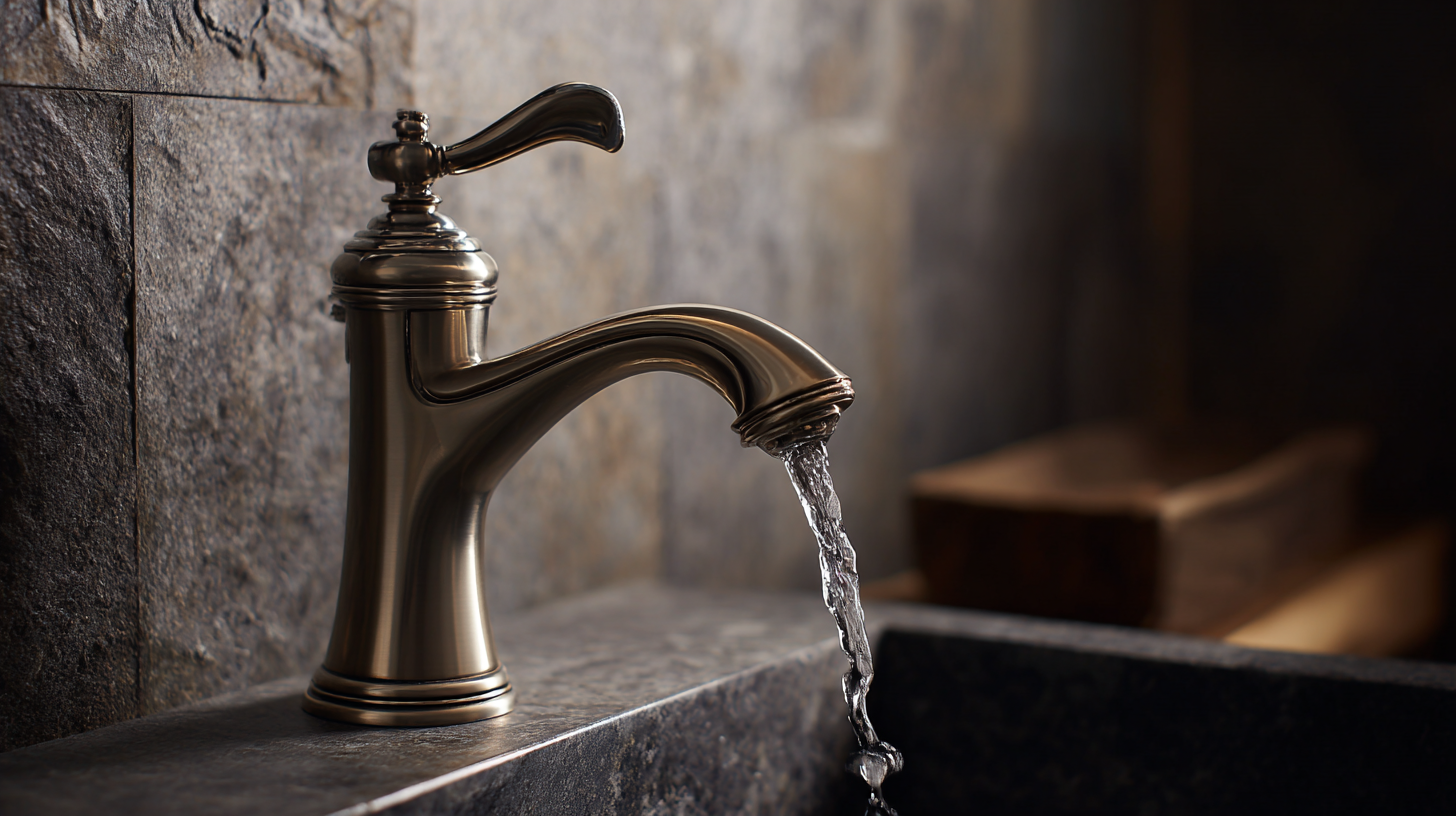
Key features influencing consumer choices include smart technology integration, eco-friendliness, and customizable finishes. A study by Grand View Research highlights that nearly 30% of consumers prioritize sustainability in their purchase decisions, leading manufacturers to develop faucets with water-saving features and recyclable materials. Additionally, the demand for personalized options, such as various color finishes and design styles, is increasing as homeowners look to create unique experiences in their bathrooms. As these preferences continue to evolve, companies are challenged to innovate and expand their offerings, ensuring they meet the expectations of a discerning clientele.